







The Great Withdrawal: Is It Official?
Satellite images on September 8 show significantly reduced cloud cover over northwest and central India, a classic sign of a weakening monsoon. However, according to the India Meteorological Department (IMD), the formal withdrawal process has not yet
officially begun. Forecasters anticipate the retreat will commence from parts of northwest India after September 15. This withdrawal is not like flipping a switch; it's a gradual process that happens in stages across the country over several weeks. While some northern states may soon enter a post-monsoon phase, other regions, particularly in the south and east, might still experience rainfall.
An End to the Urban Commuting Nightmare
For daily commuters, the end of the monsoon is a welcome event. The season is notorious for disrupting city life, with flooded roads, overflowing drainage systems, and massive traffic jams becoming routine. In cities like Mumbai, Delhi, and Bengaluru, a simple 45-minute journey can easily stretch into a two-hour ordeal. The retreat of the rains means a steady reduction in waterlogging, allowing for fewer diversions and faster-moving traffic. Two-wheeler riders, who often switch to public transport or cars during heavy rains, can return to their preferred, more nimble mode of transport on drier roads. Public transport services like buses and local trains, which face frequent delays and cancellations due to flooded tracks and routes, are also expected to return to more reliable schedules.
Safer Highways and More Reliable Journeys
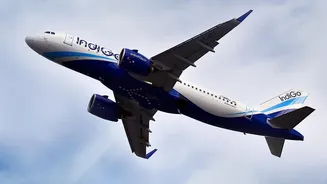
Inter-city travel by road and rail also sees a significant improvement. The monsoon period is often fraught with risks, including landslides in hilly regions, damaged roads, and poor visibility, which can increase transportation time by up to 40% in some areas. As the rains subside, the threat of flash floods and falling debris on highways diminishes, making road trips safer. Train services, often delayed by water on tracks or precautionary speed restrictions, can begin to operate with greater punctuality. Airlines, too, face fewer disruptions from thunderstorms and poor visibility, leading to a more dependable flight schedule.
Post-Monsoon Care for Your Vehicle
Months of navigating waterlogged streets and muddy terrain take a toll on any vehicle. Potholes hidden under murky water can cause significant damage to tyres and suspension, while constant dampness can lead to rust and electrical issues. Once the rains have definitively stopped, it is wise to give your car or motorcycle a thorough check-up. This should include inspecting the underbody for rust, checking the tyres for damage, testing the brakes which can lose efficiency in wet conditions, and ensuring all electrical components like lights and wipers are functioning correctly after being overworked.
The Perfect Window for Travel Opens
The post-monsoon period, typically from October to November, is considered one of the best times for travel in India. The landscape, washed clean by the rains, is exceptionally lush and green. The air is crisp, skies are clear, and the waterfalls are still full. This is an ideal time to explore destinations that are often challenging during the monsoon. Hill stations like Munnar and Coorg, national parks that reopen, and heritage sites in states like Rajasthan and Madhya Pradesh become particularly inviting. With pleasant temperatures and visibility at its peak, this season offers a magical window for photographers and nature lovers before the winter fog or peak tourist crowds arrive.