




The Welcoming E-Visa Process
One of the biggest hurdles for any international trip is the visa application. Vietnam has streamlined this process significantly for Indian passport holders. The introduction of a 90-day e-visa has been a game-changer, removing much of the stress and
paperwork traditionally associated with travel planning. For a fee of just $25 for a single-entry visa, travellers can apply online through the official government portal. The process typically takes three to five working days, making spontaneous trips and long-term explorations equally feasible. This hassle-free approach provides a crucial first impression of a country that is ready and willing to welcome tourists, setting a positive tone before the journey even begins.
Incredible Value for Your Rupee
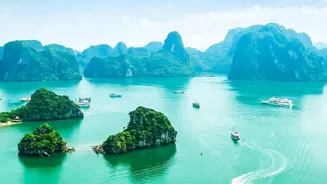
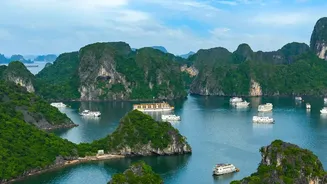
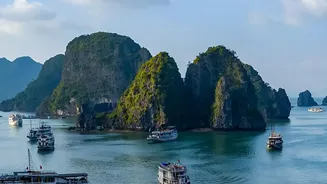
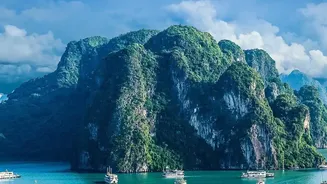
Vietnam’s primary allure is its remarkable affordability, which offers a sense of luxury and freedom without the hefty price tag seen in many other international destinations. A mid-range trip for a week can be comfortably managed within ₹70,000 to ₹1,20,000 per person, a budget that covers flights, accommodation, and activities. On the ground, the value becomes even more apparent. Delicious and authentic street food meals can be found for under ₹300, while comfortable and stylish mid-range hotels often cost between ₹3,000 and ₹5,000 per night. This affordability allows travellers to indulge in more experiences, from overnight cruises in Ha Long Bay to exploring historical sites, without constantly worrying about their expenses.
Growing Flight Connectivity
Getting to Vietnam from India has never been easier. A growing network of direct flights from major Indian cities like Delhi, Mumbai, Kolkata, and Bengaluru has drastically reduced travel time and made the country far more accessible. Airlines like VietJet Air and Vietnam Airlines, along with Indian carriers like IndiGo and Air India, have been expanding their routes. For instance, Air India launched a new direct service from Delhi to Hanoi in May 2026, adding five flights per week. This increased competition and connectivity not only make fares more competitive but also signal the strengthening travel relationship between the two nations, which has seen a surge in Indian arrivals.
A Diverse Landscape of Experiences
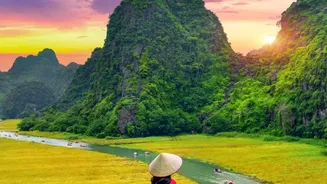
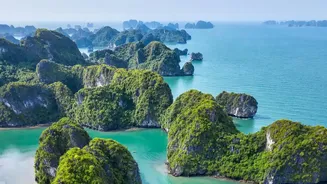
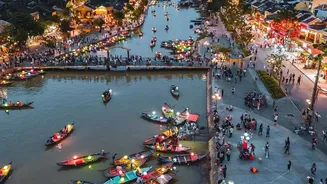
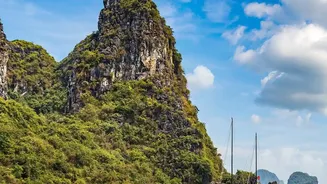
Vietnam is a country of breathtaking diversity, offering something for every type of traveller. You can cruise through the emerald waters and limestone karsts of Ha Long Bay, a UNESCO World Heritage site, or wander through the lantern-lit ancient town of Hoi An. For those seeking urban energy, the bustling streets of Hanoi in the north and Ho Chi Minh City in the south offer a vibrant mix of history, culture, and modernity. Beyond the classic tourist trail, mountainous regions like Sapa offer incredible trekking opportunities, while coastal cities like Da Nang provide pristine beaches and luxury resorts. This variety allows travellers to craft an itinerary that can include adventure, relaxation, cultural immersion, and history all in a single trip.
A Welcoming Palate for Vegetarians
For many Indian travellers, the availability of vegetarian food is a major factor when choosing a destination. Vietnam excels in this regard. While the cuisine is distinct, it is built on fresh vegetables, rice, noodles, and tofu—staples that are familiar and comforting. The term 'chay' means vegetarian, and it's a common sight on menus and restaurant signs, especially in tourist-friendly cities like Hanoi, Hoi An, and Ho Chi Minh City. From vegetarian pho (Phở chay) and baguettes (Bánh mì chay) to fresh spring rolls (Gỏi cuốn chay), there is a wide array of delicious and affordable options. For those craving familiar flavours, a growing number of Indian restaurants are also available in major cities.
A Safe and Friendly Atmosphere
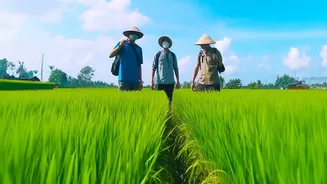
Beyond the practical considerations of cost and logistics, Vietnam wins hearts with its safe and welcoming environment. The country is widely regarded as one of the safest in Southeast Asia, making it an appealing choice for families, solo travellers, and first-time international visitors. The local culture is known for its hospitality, and while language can sometimes be a barrier in more rural areas, a friendly attitude and a willingness to communicate often bridge the gap. This sense of security and warmth allows travellers to immerse themselves fully in the experience, whether navigating a busy market or exploring a quiet village, creating positive memories that last long after the trip is over.