







How Is It Different From a Traditional Sauna?
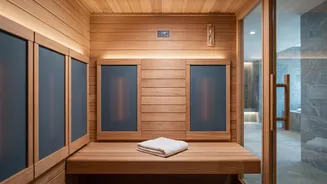
When you think of a sauna, you might picture a hot, steamy room with high air temperatures. That’s a traditional Finnish-style sauna, which heats the air around you to warm your body. An infrared sauna works differently. Instead of heating the air, it uses
infrared light to warm your body directly from within. This allows the sauna to operate at a lower, more comfortable temperature—typically between 110-135°F, compared to the 176-212°F of traditional saunas. Many people find this gentle, penetrating heat more tolerable for longer sessions, making it an inviting option for those sensitive to intense heat.
The Science of Passive Heat and Stress
The core of infrared sauna’s mental health benefits lies in its ability to induce a state of relaxation through passive heat. When your core body temperature rises, it triggers several physiological responses. This process helps activate your parasympathetic nervous system, also known as the “rest-and-digest” state. Shifting out of the “fight-or-flight” mode, which is dominant during periods of stress, allows your heart rate to slow, your muscles to relax, and your breathing to deepen. This physiological downshift sends powerful signals of safety to the brain, helping to calm racing thoughts and reduce the physical symptoms of anxiety.
Lowering Cortisol and Easing Anxiety
One of the most significant biochemical effects of infrared sauna therapy is its impact on cortisol, the body’s primary stress hormone. Chronic stress leads to elevated cortisol levels, which can contribute to anxiety, irritability, and poor sleep. Research has shown that regular heat therapy can help the body regulate and reduce cortisol levels. By helping to balance this hormone, regular sauna sessions can lead to a noticeable reduction in feelings of stress and an overall improvement in mood and mental well-being.
Boosting 'Feel-Good' Brain Chemicals
Beyond lowering stress hormones, the warmth of an infrared sauna also encourages the release of endorphins, serotonin, and dopamine. Endorphins are often called the body's natural painkillers and are known for creating a sense of euphoria and well-being, similar to a “runner’s high.” Serotonin plays a crucial role in stabilizing mood and promoting feelings of happiness, while dopamine is linked to focus and motivation. This boost in positive neurochemicals provides a natural mood lift and can help counteract symptoms of anxiety and depression.
Promoting Better, Deeper Sleep
Quality sleep is fundamental to good mental health, and this is another area where infrared saunas can help. The magic isn't just the heat itself, but the body's cooling-down process afterward. Using a sauna in the late afternoon or early evening raises your core body temperature. The subsequent drop in temperature as you cool down mimics a natural signal your body uses to prepare for sleep. This process can help you fall asleep faster and achieve a deeper, more restorative sleep, which is essential for emotional regulation and cognitive function. Studies have shown that a vast majority of regular users report significant improvements in their rest quality.
Practical Tips and Safety Considerations
To get the most out of the experience, consistency is key. Experts often recommend starting with two to three sessions per week, each lasting about 20-30 minutes. It is crucial to stay hydrated by drinking plenty of water before, during, and after your session. While infrared saunas are safe for most healthy adults, they aren't for everyone. Individuals who are pregnant, have certain cardiovascular conditions, have a fever, or have recently suffered a stroke should avoid sauna use. It's also important to avoid alcohol before a session, as it increases the risk of dehydration and other complications.