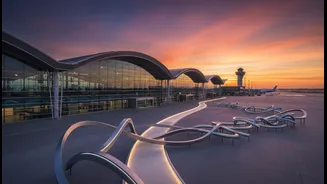








A New Philosophy for Air Travel
The chaos of navigating city traffic, coordinating cabs, and allowing for buffer-upon-buffer time is a familiar story for anyone in the National Capital Region. The newly operational Noida International Airport at Jewar is designed to tackle this very
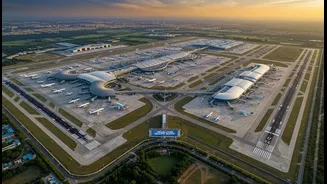
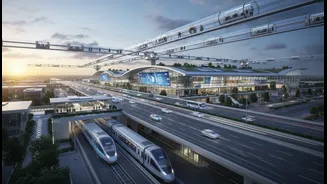
problem. It's built not just as a place for planes to land and take off, but as the centrepiece of a multi-modal transport hub. The vision is to create a seamless travel experience that begins the moment you decide to leave home. This 'door-to-door' concept is woven into the airport's very fabric, integrating road, rail, and futuristic transit systems to make getting there as smooth as the flight itself. The airport's Ground Transportation Centre is designed to be the nexus of this activity, initially accommodating cabs, buses, and ride-hailing services within walking distance of the terminal, with future phases planning for underground metro and high-speed rail integration.
Seamless Rail and Metro Connectivity
One of the most significant game-changers is the planned high-speed rail connectivity. The Ghaziabad-Jewar Namo Bharat corridor, currently in its Detailed Project Report (DPR) phase, aims to slash travel time from Ghaziabad to the airport to between 40 and 50 minutes. This corridor will integrate with existing networks, allowing commuters from Delhi to interchange via the Metro's Red Line at Ghaziabad. Furthermore, there are proposals to link the airport with the Delhi-Varanasi high-speed rail (bullet train) corridor, which could reduce travel time from parts of Delhi to the airport to a mere 21 minutes in the future. These rail projects are key to providing a fast, reliable, and traffic-proof alternative to road travel, fundamentally altering how passengers plan their airport journeys.
Optimised Road and Bus Network
For those who prefer to travel by road, significant infrastructure upgrades are in place. The airport has direct access from the Yamuna Expressway via a dedicated interchange, ensuring a smooth drive from Noida, Greater Noida, and Agra. To cater to passengers from across the region, a robust bus network is also operational. The Uttar Pradesh State Road Transport Corporation (UPSRTC) connects the airport to over a dozen cities, while DTC electric buses provide direct routes from key Delhi hubs like Kashmere Gate ISBT and Anand Vihar ISBT. Major ride-hailing services like Uber and Ola have dedicated pick-up zones, and partnerships are in place for all-electric taxi fleets, ensuring that whether you book a cab or drive yourself, the final leg of your journey is as efficient as possible.
A Glimpse of the Future: Pod Taxis
Perhaps the most futuristic element of the airport's connectivity plan is the Personal Rapid Transit (PRT) system, or 'pod taxis'. These driverless, electric pods are planned to run on a 14.6-kilometre elevated corridor, connecting the airport terminal with the upcoming Film City and key industrial and residential sectors along the Yamuna Expressway. While a single pod might carry only a handful of passengers, the network is designed to transport tens of thousands daily, offering an on-demand, eco-friendly solution for last-mile connectivity. This system will not only serve airport passengers but will also be an integral part of the transport infrastructure for the new urban centre developing around the airport, showcasing a leap toward smarter, greener urban mobility.
An Integrated Economic and Cargo Hub
The airport's design philosophy extends beyond passenger convenience. It is being developed as a major multi-modal cargo hub, intended to become a cornerstone of North India's logistics network. This focus on cargo is supported by the development of vast industrial corridors and a planned International Trade City nearby. This broader economic ecosystem, which includes manufacturing zones, logistics parks, and warehousing, is strategically linked to the airport's transport network. For the everyday traveller, this massive investment in integrated infrastructure means that the passenger-focused connectivity plans are part of a much larger, well-funded regional development strategy, ensuring they are not just ambitious ideas but are central to the region's economic future.