




A Modern Twist on a Beloved Classic
For generations, the humble peda has been a symbol of joy and celebration in India. Made from khoya (milk solids), sugar, and fragrant spices like cardamom, these soft, fudge-like discs are exchanged during festivals, shared to celebrate good news, and offered
in prayer. Now, a quiet revolution is taking place in the glass displays of traditional mithai shops. Enter the vegan cashew peda. This new creation reimagines the iconic sweet for a new generation, swapping dairy for plant-based ingredients while aiming to preserve the rich, melt-in-your-mouth texture that makes the peda a national treasure. By using a base of ground cashews, these sweets offer a creamy alternative that honours the original's spirit.
The Challenge: Recreating an Icon Without Dairy
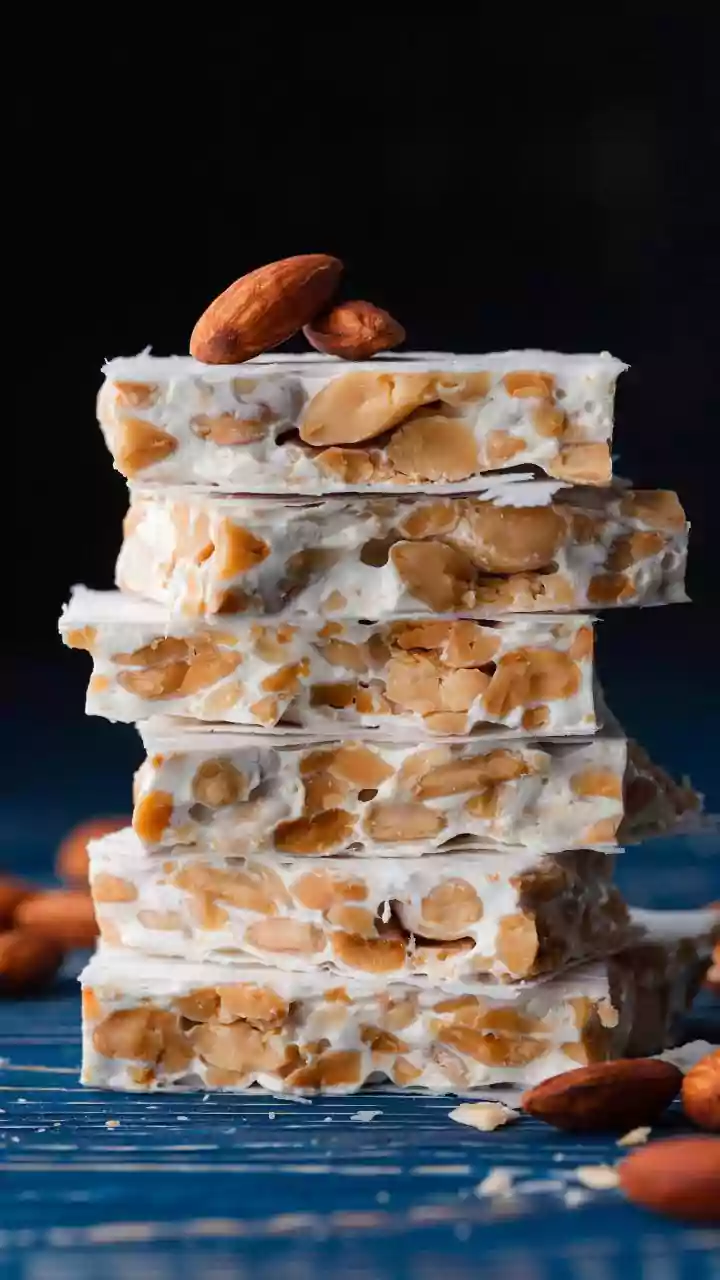
Making a peda vegan is no simple task. The soul of a traditional peda lies in khoya, which is made by simmering milk for hours until it reduces to a dense, slightly granular solid. This ingredient provides a unique richness and structure that is difficult to replicate. Sweet makers have turned to nuts to solve this puzzle. Soaked cashews, and sometimes almonds, are ground into a fine, smooth paste. [2] This paste is then carefully cooked in a pan until it thickens and forms a dough-like ball, mimicking the consistency of khoya. [2] Plant-based ghee or coconut oil provides the necessary fat, while sugar or healthier alternatives like date powder offer sweetness. The final touch, aromatic cardamom powder, ensures the flavour remains authentic and familiar. [2, 16]
Why Vegan Mithai is on the Rise
The emergence of vegan pedas isn't happening in a vacuum. It's part of a broader shift in India's culinary landscape. Veganism is gaining significant traction, particularly among younger, urban populations. [6] A 2024 survey identified animal welfare, environmental concerns, and health as the top motivators for this change. [13] The Indian vegan food market has seen remarkable growth, with dairy alternatives leading the charge, partly due to high rates of lactose intolerance. [11] This growing consumer demand has prompted both new and established food brands to innovate. [3] From major hotel chains introducing plant-based menus to legacy sweet makers like Kanti Sweets exploring vegan chocolates, the food industry is responding to a clear consumer appetite for cruelty-free and healthier options. [8, 25]
Taste, Texture, and Tradition in Every Bite
But does the vegan version hold up? The cashew-based peda offers a distinct character. It’s intensely creamy due to the natural fat content of the nuts, with a subtle sweetness that allows the warm, floral notes of cardamom to shine through. While the texture might be slightly smoother than a traditional khoya peda, the essence remains. It’s still a rich, celebratory sweet that satisfies the craving for something special. This innovation isn't about replacing the original but expanding the definition of what a peda can be. It demonstrates that tradition is not static; it can adapt to new values and dietary needs without losing its soul. It proves that a commitment to a plant-based lifestyle doesn't mean giving up cherished cultural foods.
The Evolving World of Indian Sweets
The vegan cashew peda is just the beginning. A wave of innovation is sweeping through the world of Indian mithai. Artisans and home cooks are creating vegan versions of everything from gulab jamun and jalebi to barfi and kheer, using ingredients like almond flour, coconut milk, and plant-based yogurt. [7] Entire shops dedicated to plant-based Indian sweets are emerging, offering a wide array of treats for festive occasions. [3] This evolution signifies a vibrant and inclusive future for Indian cuisine, one where ancient recipes are reinterpreted to fit a modern, more conscious world. It ensures that these beloved sweets can be enjoyed by everyone, regardless of their dietary choices, for many more generations to come.