







The Unshakeable Kingdom of Cricket
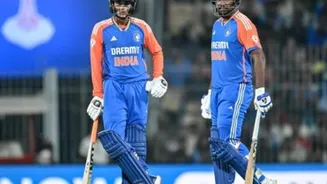
To understand the scale of the challenge, one must first grasp the magnitude of cricket's dominance. It is woven into the fabric of Indian society, a cultural monolith that transcends region, class, and age. The Indian Premier League (IPL) is a commercial
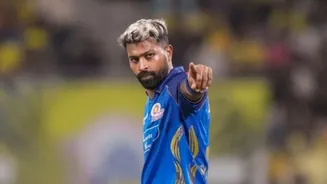
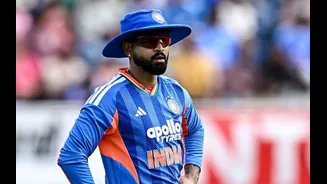
juggernaut, with its media rights for 2023-2027 sold for a staggering ₹48,390 crore. The Board of Control for Cricket in India (BCCI) is the world's richest cricket board, reporting revenues in the thousands of crores annually. This financial might fuels everything from world-class stadiums to grassroots development, creating a self-perpetuating cycle of success and popularity. Cricketers are national icons, their every move tracked by millions, a status football players are yet to achieve.
Football's Rising Tide
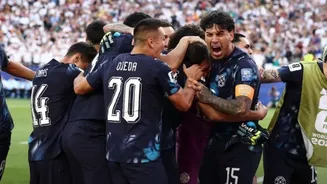
Despite cricket's supremacy, football is no longer a fringe sport. Its popularity has surged, establishing it as the nation's second-most-followed sport. This growth is largely driven by the Indian Super League (ISL), which launched in 2014. The league has professionalised the sport, increased its visibility, and captured the imagination of a new generation. ISL viewership has shown impressive growth, with some reports indicating a cumulative reach in the hundreds of millions. Furthermore, a massive youth audience, connected to global football culture through the internet and passionately following European leagues, forms a strong foundation for the sport's future in India.
A Tale of Two Coffers
The financial disparity between the two sports is immense and presents football's biggest hurdle. The BCCI's revenue dwarfs that of the All India Football Federation (AIFF). While the BCCI is a self-sufficient commercial powerhouse, the AIFF relies heavily on government grants and FIFA development funds, which amount to a fraction of cricket's earnings. While the ISL has boosted commercial interest, its financial ecosystem is still developing. This gap affects everything from player salaries and infrastructure to marketing and grassroots programs. Without the financial muscle to compete, football struggles to build the nationwide infrastructure needed to nurture talent on the same scale as cricket.
The Hurdle of International Success
A key driver of cricket's mass appeal was the national team's success, most notably the 1983 World Cup victory, which turned the sport into a national obsession. Indian football has a rich history but has lacked a similar watershed moment on the modern international stage. The national team's performance has been inconsistent, and it struggles to compete with top-tier Asian teams, let alone global powerhouses. For football to capture the nation's heart in the same way as cricket, a significant and sustained run of international success is almost certainly a prerequisite. This would create national heroes and inspire millions of youngsters to take up the sport professionally.
A Different Definition of 'Winning'
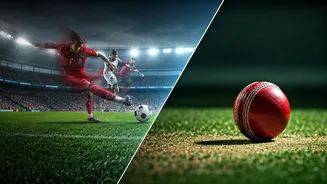
Perhaps the question isn't whether football can overtake cricket, but whether it can coexist as a massively popular and commercially successful sport in its own right. The Indian market is vast enough to support more than one sporting giant. Football's appeal to urban youth, its 90-minute-long, action-packed format, and its global nature are significant advantages. Recent studies confirm that football has firmly established itself as the country's second favourite sport, indicating a clear and growing appetite. It doesn't need to diminish cricket to flourish. By focusing on strengthening its own ecosystem—improving infrastructure, grassroots development, and league professionalism—football can build a formidable and loyal following.