



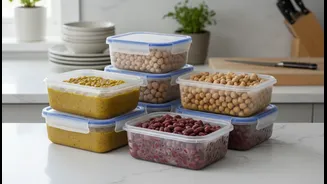
The Real Cost of Wasted Food
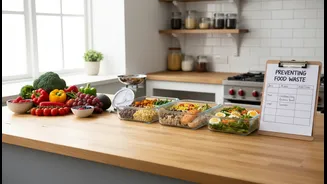
Food waste is more than just a personal annoyance; it's a significant national issue. According to the UN Environment Programme, Indian households generate a staggering amount of food waste annually, with estimates suggesting over 78 million tonnes. This
contributes to a per capita waste of about 50-55 kg per year. When we throw away food, we're also wasting the water, energy, and labour used to produce and transport it. Furthermore, food rotting in landfills releases methane, a potent greenhouse gas that contributes to climate change. By making small changes in our own kitchens, we can be part of the solution, saving money and reducing our environmental impact.
Adopt a Flexible Mindset
The first step toward becoming a kitchen improviser is to stop seeing recipes as rigid rules and start seeing them as flexible guides. Cooking without a precise recipe isn't a sign of failure; it’s a sign of confidence and skill. Think of it as a conversation with your ingredients. This mindset shift frees you from the stress of a missing component and opens up a world of creative possibilities. Don't be afraid to experiment. The worst that can happen is a learning experience, but more often than not, you'll discover a delicious new combination you wouldn't have found otherwise. This approach turns potential kitchen disasters into opportunities for invention.
Master the Art of the Swap
One of the most practical improvisation skills is learning to substitute ingredients. This doesn't require culinary genius, just a bit of basic knowledge. No onions? Try shallots, leeks, or even the white parts of spring onions. Out of lemon juice for acidity? A splash of vinegar can often do the trick. A recipe calling for one type of leafy green can almost always accommodate another, like using spinach instead of kale. Instead of getting stuck on a specific herb, think about the flavour profile. A dish calling for basil might be just as good with mint or coriander, creating a different but equally interesting result. Learning these simple swaps is a powerful way to use what you have on hand.
Think in Flavours, Not Formulas
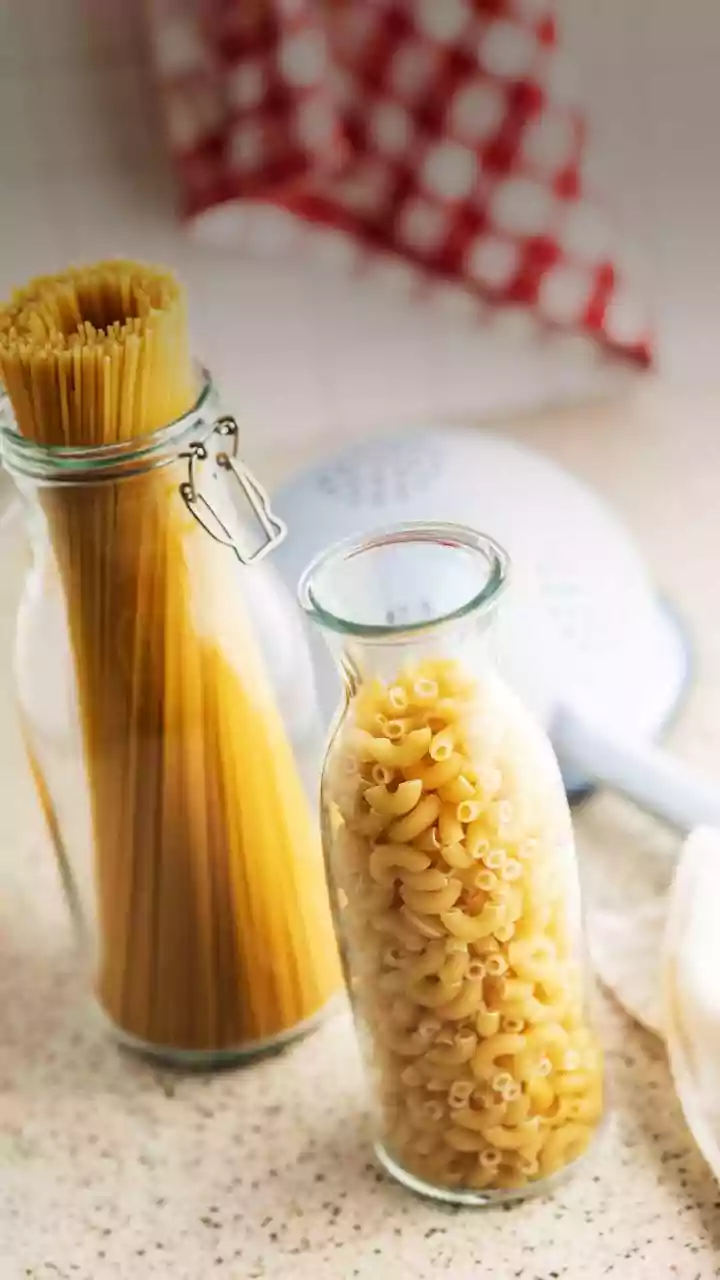
To truly level up your improvisation skills, start thinking about the core components of a balanced dish: salt, fat, acid, and heat. This framework allows you to build a meal from almost anything. Have some leftover roasted vegetables? Toss them with some pasta (carbs), olive oil (fat), a squeeze of lemon (acid), and a pinch of chilli flakes (heat). Got some cooked dal? It can become the base for a hearty soup. A well-stocked pantry with staples like oils, vinegars, spices, grains, and canned goods is your best friend here. When you understand how different elements work together, you're no longer just following instructions—you're composing a meal.
Embrace the 'Use-It-Up' Meal
Designate one or two meals a week as 'use-it-up' challenges. This is your chance to clear out the fridge of any vegetables that are starting to wilt, leftover grains, or small amounts of protein. These ingredients are perfect for incredibly versatile dishes like frittatas, fried rice, stir-fries, soups, or dal. A frittata, for example, is a fantastic canvas for nearly any cooked vegetable and a little bit of cheese. This practice not only prevents food from being thrown away but also encourages creativity and saves you from an extra trip to the grocery store. Turning leftovers into a planned, delicious meal is one of the most satisfying ways to reduce waste.