




The Creamy, Nutty Advantage
The magic of adding chestnuts to soup lies in their unique texture and flavour. When cooked and blended, chestnuts break down into a velvety, thick consistency, creating a creamy soup without needing an excessive amount of dairy. Their inherent starchiness
acts as a natural thickener. The flavour they impart is subtly sweet, earthy, and nutty, which complements a wide range of winter vegetables. This makes them a fantastic, gluten-free alternative to other thickeners like flour or potatoes, adding a layer of sophisticated flavour that is both comforting and unexpected. Historically a staple in European cuisine, chestnuts can turn a simple puréed soup into a gourmet experience.
From Leftover to Soup-Ready
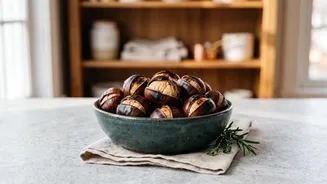
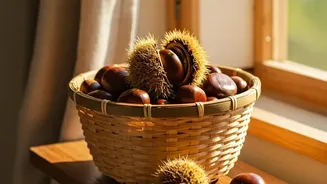
Preparing your leftover roasted chestnuts for soup is straightforward. If they are still in their shells, you'll need to peel them. The best time to do this is while they are still warm, as the shells and the papery inner skin will come off more easily. If they've cooled completely, you can gently reheat them. For pre-cooked chestnuts from a pouch or jar, you can skip this step entirely. Once peeled, give them a rough chop. This isn't strictly necessary if you're using a high-powered blender, but it can help the blending process. Ensure the chestnuts are still good; they should be firm and free of any off-smells.
The Blending Method
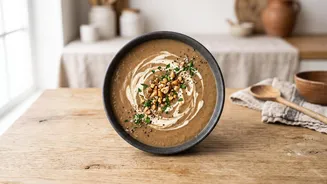
To achieve a silky-smooth soup, the blending technique is important. After sautéing your base vegetables (like onions, carrots, and celery) and simmering them in stock with the chopped chestnuts until everything is tender, it's time to blend. An immersion blender is a convenient option, allowing you to purée the soup directly in the pot. For the smoothest possible texture, however, a countertop blender is often superior. If you use a standing blender, be sure to let the soup cool slightly and blend in batches, leaving the lid's vent open and covering it with a tea towel to allow steam to escape safely. Blend until the soup is completely smooth and no lumps of chestnut remain.
Perfect Vegetable and Flavour Pairings
Chestnuts have a versatile flavour profile that pairs wonderfully with many classic winter vegetables. Root vegetables are a natural fit; think parsnips, carrots, and celery, which form a traditional mirepoix base. Butternut squash and sweet potatoes also work exceptionally well, their sweetness harmonising with the nutty chestnut notes. For a more earthy and savoury soup, combine chestnuts with mushrooms and leeks. Aromatic herbs like thyme and sage, and a touch of sweetness from apple or a splash of sherry or white wine, can elevate the soup further. Don't be afraid to experiment with your favourite vegetable soup recipes; simply add the chestnuts along with the other vegetables and blend as usual.
A Simple Framework for Your Soup
You don't need a rigid recipe. Start by sautéing aromatics like chopped onion, carrots, and celery in butter or olive oil. Add your primary vegetable—perhaps butternut squash, parsnips, or mushrooms—along with your leftover chopped chestnuts. Pour in enough vegetable or chicken stock to cover the ingredients, add a bay leaf or a sprig of thyme, and let it all simmer for 20 to 30 minutes, or until the vegetables are very tender. Remove the herbs, blend until velvety smooth, and finish with a touch of cream or coconut milk for extra richness if you desire. Season to taste with salt and pepper. For a nice finishing touch, you can save a few chestnuts to chop and pan-fry in butter to use as a crispy garnish.