




Think Function, Not Just Flavor
Every ingredient in a recipe has a job to do, and often more than one. While flavor is important, an ingredient's primary role might be structural. Does it hold things together? Does it provide moisture? Does it create a crispy, chewy, or creamy texture?
Answering these questions is the key to successful substitutions. When you're out of eggs, for example, simply grabbing something else that's vaguely liquid won't work if the eggs were meant to bind and leaven the mixture. The best replacement will be an ingredient that can perform a similar function, even if the flavor is different. This mindset shift—from replacing an item to replacing a job—is what separates a successful swap from a kitchen disaster.
Decoding the Binders
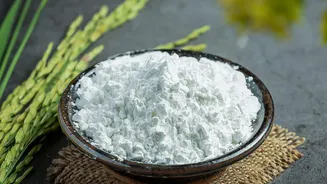
Binding agents are the glue of the culinary world. They create structure and keep ingredients from falling apart. Eggs are a classic example; their proteins coagulate when heated, forming a web that holds batters and meatloaves together. When you need to replace an egg, you need to replace its binding power. For a vegan option, a "flax egg" (one tablespoon of ground flaxseed mixed with three tablespoons of water) creates a gel-like substance that mimics this binding function beautifully in muffins and cookies. In savory dishes like meatballs, breadcrumbs or even cooked, mashed grains like oats can absorb moisture and physically hold the other ingredients in place. Cornstarch and flour act as binders in sauces and gravies, creating thickness as they absorb liquid and heat. Understanding this role helps you see why you can't just swap a splash of milk for a cornstarch slurry and expect your sauce to thicken.
Mastering the Art of Texture
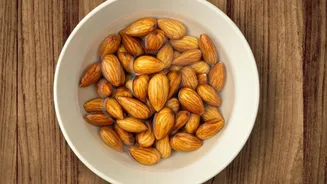
Texture is what makes food interesting and satisfying. It's the crunch in a cookie, the creaminess of a soup, and the chew of a good brownie. These textures are created by specific ingredients. Fats like butter, shortening, and oil are texture powerhouses. Butter not only adds flavor but also creates tenderness in cakes and flakiness in pastries. Substituting oil for butter might work in some cakes, but you'll lose the specific textural quality that creaming butter and sugar provides. Similarly, brown sugar contains molasses, which adds moisture and creates a chewier texture in cookies compared to the crispness from white sugar. When you're missing an ingredient, consider the texture it was meant to provide. If a recipe calls for toasted nuts for crunch, other crunchy items like toasted seeds, crushed crackers, or even crispy fried onions in a savory context could fill that role.
The Dual Role of Moisture and Fat
Many ingredients pull double duty, providing both texture and moisture. This is where substitutions get more nuanced. Ingredients like yogurt, buttermilk, applesauce, and mashed bananas are prized for the moisture they bring to baked goods. When you substitute applesauce for oil to reduce fat, you are trading a pure fat for an ingredient that is mostly water and fiber. This will result in a denser, more cake-like texture, which might be great in a muffin but less desirable in a brownie where fat contributes to that fudgy, chewy quality. Greek yogurt can stand in for sour cream because both provide a creamy texture and a tangy flavor profile due to their acidity. However, the fat and moisture content can differ, which may slightly alter the final product. The key is to ask: Is this ingredient here for fat, for moisture, or for both?
A Simple Substitution Checklist
When you find yourself staring at a gap in your ingredient list, run through this mental checklist before grabbing a replacement. First, identify the missing ingredient’s primary job. Is it a binder, a leavener (like baking powder), a fat, a liquid, or a texturizer? Second, consider its secondary roles. Does it also add significant flavor, acidity, or moisture? For example, buttermilk is not just a liquid; its acidity is crucial for activating baking soda. Third, look at your available ingredients and ask which one can best perform those primary and secondary functions. A one-to-one swap isn't always possible or advisable. Sometimes the best solution is a combination of ingredients, like using a bit of vinegar and milk to replicate buttermilk's function. This thoughtful approach will give you more confidence and better results.