







First, Assess Your Pet’s Temperament
Before you even think about booking tickets, take an honest look at your pet. Are they generally calm and adaptable, or do they get anxious in new environments? A pet that is easily stressed by loud noises or new people may not be a good candidate for travel.
You can test their readiness with short car rides or visits to a friend's home. If they show signs of extreme stress, such as excessive panting, whining, or hiding, it might be kinder to arrange for a trusted pet-sitter or boarding facility. A veterinarian can also offer advice on managing travel anxiety and assess if your pet is fit for the journey. Remember, the goal is a holiday that is enjoyable for everyone, including your four-legged family member.
Choosing the Right Mode of Transport
How you get there is one of the biggest considerations. In India, your options each come with their own set of rules. By Road: A car journey offers the most flexibility. You can stop for breaks whenever your pet needs to stretch, eat, or relieve themselves. Ensure your pet is safely secured in an IATA-compliant carrier or with a pet seatbelt. Acclimatise them with short drives first, gradually increasing the duration. By Train: Indian Railways allows pets, but with strict conditions. Pets are only permitted in First Class AC (1AC) or First Class (FC), and you must book the entire two-berth coupe or four-berth cabin to yourself. They are not allowed in any other class like 2AC, 3AC, or Sleeper. If you can't secure a full cabin, the only other option is the brake van, which is essentially a luggage compartment. You'll need a fitness certificate from a vet issued 24-48 hours before the journey and up-to-date vaccination records. By Air: Several Indian airlines permit pets, but policies differ. Air India is known for being relatively pet-friendly, allowing small pets (usually up to 10kg including the carrier) in the cabin in Economy class on many domestic and some international routes. Larger pets must travel in the cargo hold as checked baggage or cargo. Other airlines like Akasa Air also have provisions for in-cabin travel. IndiGo's policy has been inconsistent, with some sources stating they only allow service animals while others mention a newer policy for small pets on domestic routes, so it is crucial to check directly with the airline well in advance. Booking for a pet must typically be done at least 48 hours in advance and requires a vet-issued health certificate.
Securing Suitable Accommodation
Not all hotels that call themselves "pet-friendly" are created equal. Before you book, always call the property directly to confirm their policy. Some may have restrictions on the size or breed of the pet, while others might charge an extra fee. Ask about specific rules: Are pets allowed in all areas of the hotel? Are there designated green spaces for them to walk? Many hotel chains like Marriott, Hilton, and certain boutique properties and homestays across India are increasingly welcoming pets. Websites like BringFido can also help you find verified pet-friendly stays. Some luxury hotels even offer special amenities like pet beds, food bowls, and dedicated menus to make your companion feel right at home.
Essential Documents and Packing List
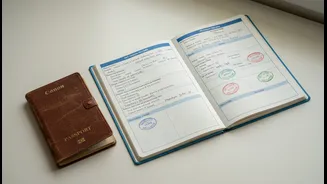
Proper documentation is non-negotiable, especially for air and train travel. At a minimum, you will need your pet's updated vaccination record (especially for rabies) and a health certificate from a registered veterinarian, usually issued within a few days of your travel date. For international travel, a microchip and a No Objection Certificate (NOC) from the Animal Quarantine and Certification Service (AQCS) are often required. Your pet's suitcase should include: - Familiar food and water, along with collapsible bowls. - A leash, harness, and collar with an updated ID tag. - Waste bags and any grooming supplies. - A first-aid kit and any regular medications. - A favorite toy or blanket to provide a sense of security in the new environment.