
A Major Flood Event Changes the Landscape
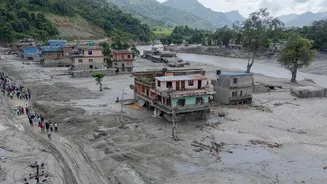
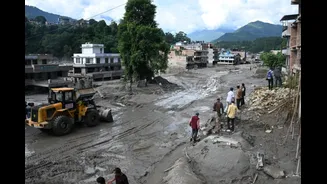
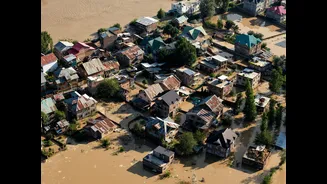
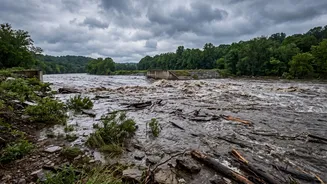
On August 26, 2026, a catastrophic flash flood, reportedly triggered by a glacial collapse on the Nepal-China border, swept through the Bhote Koshi and Trishuli river corridors. The event caused significant destruction to roads, bridges, and infrastructure
in the Rasuwa, Nuwakot, and Dhading districts. Travel advisories from several governments now warn of severe disruption in these areas, which are gateways to popular trekking regions like Langtang. The Australian government, for instance, has advised reconsidering travel to areas along the Trishuli River in several districts, while the U.S. Embassy has issued alerts for ongoing risks. This specific disaster has reshaped the safety map for parts of northern and central Nepal. While authorities state that major tourist hubs like Kathmandu, Pokhara, and the Everest region were not directly impacted by this event, the situation highlights the volatile nature of the late monsoon.
Understanding September Weather
September marks the transition from the wet monsoon to the dry, clear autumn trekking season. Typically, the first half of the month still sees lingering showers, while the weather becomes progressively drier and more stable towards the end of September. However, the monsoon brings about 80% of Nepal's annual rainfall, and even as the rains subside, the ground remains saturated. This makes landslides a persistent risk, especially on steep roadside cuttings and trekking trails. Forecasts for early September 2026 show continued chances of rain and thunderstorms, and authorities have warned that this rainfall could exacerbate flooding, trigger new landslides, and disrupt travel. This year, the risk is not just about inconvenient rain showers; it's about significant infrastructure damage and potential for rapidly changing conditions.
Impact on Trekking and Transport
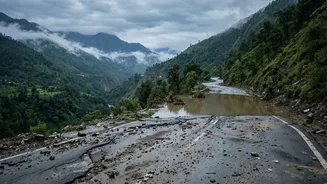
The August 26 floods have rendered the primary road to the Langtang Valley trekking region impassable, with reports stating the road to Syabrubesi was destroyed. Overland travel to this region is now extremely difficult, if not impossible. Travel on major arteries like the Prithvi Highway and the Mugling-Narayangadh road has also been restricted or advised against. These routes connect Kathmandu with Pokhara and Chitwan, and while tourist buses still operate, travellers should anticipate significant delays due to landslides and road works. For trekkers heading to the Annapurna and Manaslu regions, access roads have also been affected by monsoon damage throughout the season, with closures reported in July and August. While air travel to Lukla (for the Everest region) is unaffected by these specific floods, weather-related flight delays are common this time of year.
Should You Cancel or Change Your Plans?
This depends heavily on your itinerary. The Nepalese government has emphasized that the country remains open for tourism and that the flood's impact was concentrated in specific northern areas. Treks in the Everest region, much of the Annapurna region (especially if flying to Jomsom), and city-based tours in Kathmandu and Pokhara are largely proceeding. However, if your plans included the Langtang Valley, Gosaikunda, or overland travel through Rasuwa and northern Dhading, you must change your itinerary. Experts suggest it will be months before the road to Syabrubesi is rebuilt. For other treks, it is crucial to contact your trekking agency or guide for on-the-ground updates. They will have the most current information on trail and road conditions. It might be wise to consider alternative, less-affected routes, such as those in the rain-shadow areas like Upper Mustang or Dolpo, which are traditionally drier during the monsoon.
Essential Safety Advice for Travelers
If you are travelling to Nepal this September, flexibility and caution are paramount. Always have several buffer days in your schedule to account for potential travel delays. Before setting out on any road journey, check with local authorities or your transport provider about the latest conditions. For trekkers, hiring a licensed, experienced guide is more critical than ever; they can assess risks and know alternative paths. Ensure your travel insurance includes helicopter evacuation for medical emergencies and covers trip disruptions. Stay away from riverbanks and low-lying areas, especially in the wake of the recent floods. Monitor alerts from your embassy and local news. The situation can change rapidly, and staying informed is your best safety tool.