


The First Rule: Smart Storage
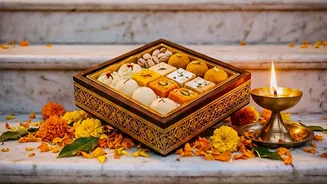
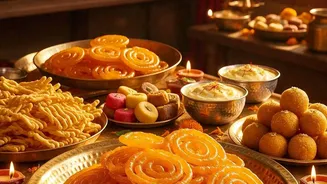
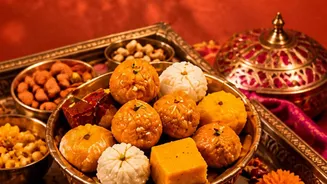
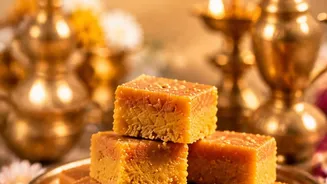
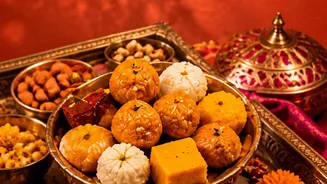
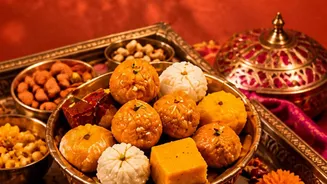
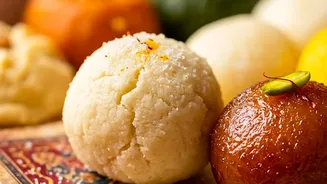
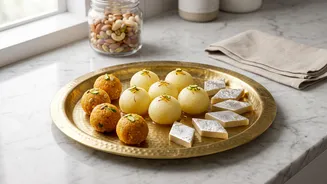
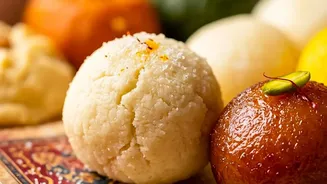
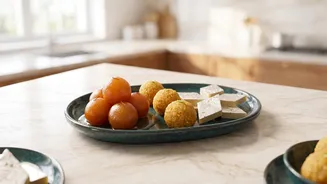
The key to making your Diwali sweets last is understanding that not all mithai is created equal. Your storage strategy should depend on the ingredients. Milk-based sweets like rasgulla, sandesh, or kalakand are highly perishable due to their fresh milk,
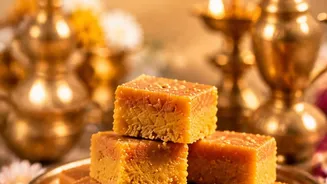
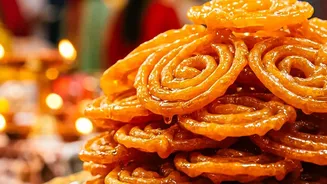
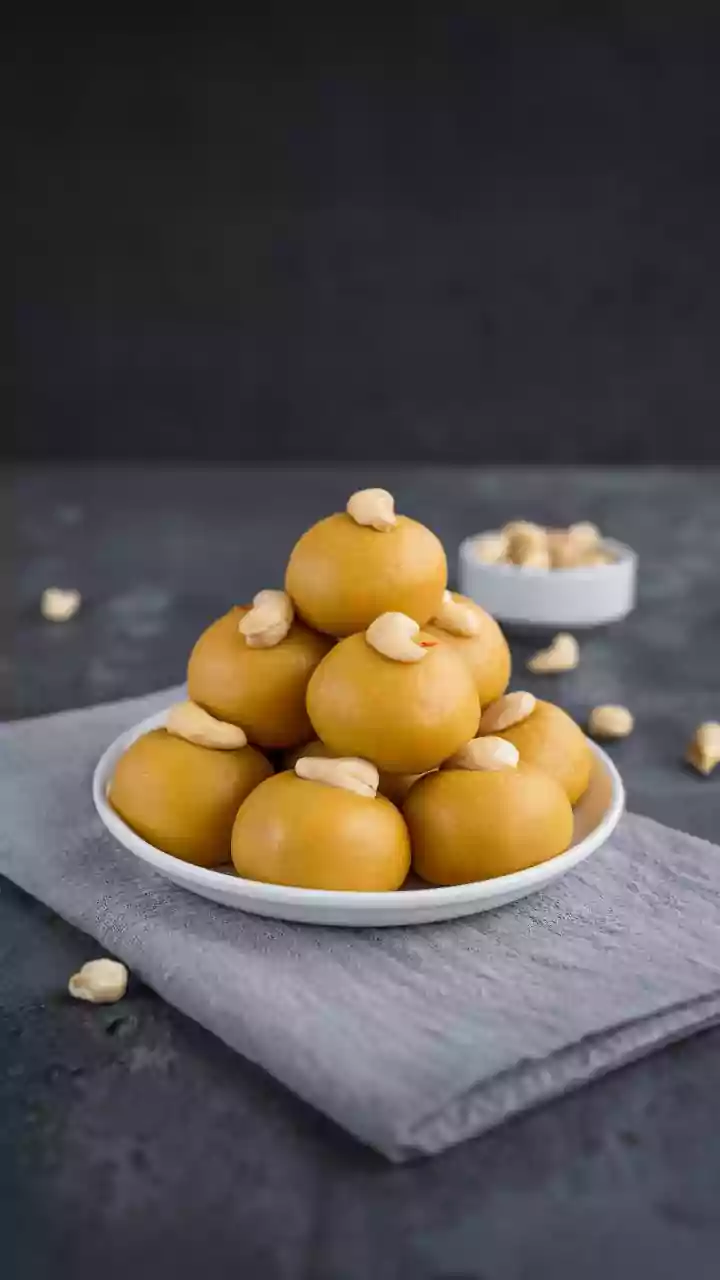
khoya, or paneer content. They must be refrigerated in airtight containers and are best consumed within two to three days. Storing them this way prevents them from drying out and absorbing odours from other foods in the fridge. On the other hand, dry sweets like kaju katli, laddoos, and dry fruit barfis have a much longer shelf life. Made with nuts, sugar, and ghee, they have less moisture. These should be stored in airtight containers in a cool, dry place away from direct sunlight. Keeping different types of sweets separate is also crucial; the moisture from a gulab jamun can make a crunchy soan papdi soggy if stored together.
Portion Control and Mindful Gifting
One of the main reasons for sweet-overload is the sheer volume received from well-meaning friends and family. A smart practice starts before the sweets even enter your kitchen. When preparing gift boxes, consider curating smaller, more thoughtful assortments. This reduces the burden on the recipient. Similarly, when hosting guests, instead of laying out the entire platter, serve smaller, pre-portioned amounts. This prevents waste from half-eaten sweets left on plates. This approach is not about being stingy; it’s about promoting mindful consumption during a time of abundance, ensuring that the gesture of sharing doesn't inadvertently lead to large-scale food wastage, a common issue during festive seasons in India.
The Great Sweet Upcycle
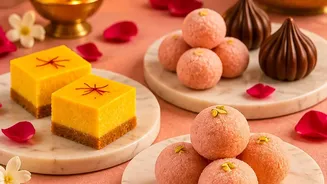
When you can't possibly eat another ladoo as is, it's time to get creative. 'Upcycling' your leftover mithai into new desserts is a fantastic way to give them a second life. Crumble motichoor ladoos and layer them with hung curd and fruit to create a vibrant parfait. Blend barfis or pedas with milk and a scoop of ice cream for a decadent mithai milkshake. Some bakers even incorporate leftover sweets into cakes, cookies, and brownies. For instance, kaju katli can be ground and used as a base for cheesecake, while besan barfi can add a rich, fudgy texture to brownies. These fusion desserts not only solve the problem of leftovers but also create exciting new treats to share.
Freeze for Later Indulgence
For sweets with a lower moisture content, the freezer can be your best friend. Drier items like ladoos, barfis, and pedas freeze remarkably well. To freeze them, arrange them on a tray in a single layer and place it in the freezer. Once frozen solid, transfer them to a zip-lock bag or an airtight container. This prevents them from sticking together and makes it easy to take out just what you need. When you’re ready for a sweet treat weeks after Diwali has passed, simply thaw them at room temperature. This method is an excellent way to extend the joy of the festival without the pressure of consuming everything at once.
Share the Sweetness Generously
If you still find yourself with a surplus of untouched sweets, the most generous act is to share them. Consider donating well-stored, fresh sweets to local shelters, community helpers, or orphanages. Organizations like the Robin Hood Army and Feeding India often work to distribute surplus food to those in need, especially during festivals. This not only prevents food waste but also extends the spirit of Diwali to the wider community. It turns a personal problem of excess into a collective act of kindness, ensuring the sweetness of the festival reaches as many people as possible. Before donating, always ensure the sweets are fresh and have been stored properly to maintain food safety.