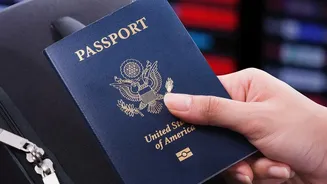






For years, Singapore has held the title for the world's most powerful passport, offering unparalleled global mobility. Yet, in other crucial global rankings, the city-state often lands outside the top spots, sometimes around tenth place.
The Undisputed Leader in Travel Freedom
When it comes
to pure passport power, Singapore is in a class of its own. According to the 2026 Henley Passport Index, which is a standard measure for global mobility, a Singaporean passport grants visa-free or visa-on-arrival access to 192 destinations worldwide. This index is straightforward: it measures how many borders a passport holder can cross without needing to apply for a visa in advance. For globetrotting tourists, business travellers, and digital nomads, this level of freedom is the gold standard. The ranking solidifies Singapore's reputation as a global hub with strong diplomatic ties, making its passport one of the most coveted travel documents on the planet.
But What Makes a Passport 'Best'?
While seamless travel is a significant perk, it's not the only factor that defines a passport's overall value. This is where other, more complex indices come into play, offering a different perspective. For instance, the Nomad Capitalist Passport Index takes a broader view, designed for global entrepreneurs and investors who want to 'go where they're treated best'. This ranking assesses passports on five key factors: visa-free travel (50%), taxation of citizens (20%), global perception (10%), ability to hold dual citizenship (10%), and personal freedom (10%). It's a system that evaluates not just where you can go, but what life is like as a citizen of that country, both at home and abroad.
Why Singapore Slips in Broader Rankings
Using this wider lens, Singapore's dominance fades. While it still scores exceptionally high on visa-free travel, other factors pull its overall rank down. One major element is taxation and financial privacy. Another is the country's policy on dual citizenship, which is generally not permitted; those who naturalise as Singaporean citizens are typically required to renounce other citizenships. Furthermore, metrics on personal freedom, which can include things like press freedom and mandatory military service, also affect the score. In these more holistic rankings, European countries like Malta, Ireland, and Switzerland often take the top spots. These nations combine strong travel freedom with favourable tax policies for expatriates, unrestricted dual citizenship, and high scores on personal liberty metrics.
A Tale of Two Rankings
The discrepancy highlights a crucial point: 'best' is subjective and depends entirely on what is being measured. If your priority is simply maximum travel mobility, the Henley Passport Index confirms Singapore is your number one choice. However, if your definition of a 'powerful' passport includes the freedom to live tax-efficiently abroad, hold multiple citizenships, and enjoy broader civil liberties, then indices like the Nomad Capitalist Passport Index suggest there are more advantageous options. In a 2026 ranking from Oxford Economics' Global Cities Index, Singapore placed 29th overall, though it did rank an impressive third for quality of life, demonstrating its strengths in areas like low crime and excellent healthcare but also flagging challenges like high housing costs. This shows that while a powerful travel document is an asset, it is just one piece of the puzzle that makes up a country's overall global standing and appeal.