





The Weaver's Enduring Challenge
The rhythmic clack of a handloom is a sound synonymous with India’s rich textile heritage. For generations, weavers have created masterpieces of fabric, but this age-old craft is fraught with challenges. The work is physically demanding, often leading
to musculoskeletal disorders from long hours spent in uncomfortable postures on traditional pit looms. Productivity is low compared to power looms, wages are often meagre, and weavers face intense competition from cheaper, mass-produced textiles. The sector supports over 3.5 million weavers and allied workers, a majority of whom are women, making these challenges a significant national issue affecting livelihoods and the preservation of cultural skills. The younger generation, seeing the physical strain and low financial returns, is often reluctant to continue the family tradition, threatening the very future of the craft.
Technology Meets Tradition at IIT Delhi
In a major move to address these issues, the Centre of Excellence for Handloom Technology (CoE-HT) was recently inaugurated at the Indian Institute of Technology (IIT) Delhi. Established with a government investment of Rs 11.99 crore, the centre is envisioned as a national hub for innovation, aiming to integrate cutting-edge research and digital technologies with India's handloom heritage. The primary goal is to make the sector more competitive, sustainable, and globally relevant. This collaboration brings together academia, industry experts, designers, and weavers to develop practical, technology-driven solutions that can be implemented on the ground.
Innovations on the Loom
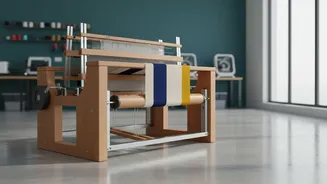
Loom modernisation is at the heart of the Centre's mission. The focus isn't on replacing the weaver, but on empowering them with better tools. A key area of research is ergonomics—designing looms that reduce physical strain and improve comfort. This includes developing better seating and modifying foot pedals to distribute stress more evenly, allowing weavers to work longer without pain or fatigue. Beyond ergonomics, the Centre will explore using Artificial Intelligence to create new designs and tools, develop more sustainable dyeing and processing techniques, and improve the functionality of handloom fabrics. The initiative aims to create a robust ecosystem that enhances productivity while preserving the unique craftsmanship of handloom weaving.
A Digital Future for Handloom
The project extends far beyond the physical loom. A core component is the creation of a national digital repository for handloom knowledge, preserving designs and techniques for future generations. Several flagship initiatives have been launched alongside the Centre to accelerate this digital transformation. 'Handloom e-Vidya' will serve as a digital learning platform for skill development, while the 'Handloom 4.0' mobile app will allow for digital monitoring of loom productivity and quality. Another initiative, 'HandloomX', will function as an incubator to support startups working in the sector, fostering a new generation of entrepreneurs. These digital tools are designed to improve everything from market access and design customisation to traceability and authenticity.
Weaving a Stronger Tomorrow
The ambitions for this project are high. The government's stated goal is to significantly boost weavers' incomes, with the Union Textiles Minister expressing a vision for weavers to earn at least Rs 6 lakh annually. The Centre plans to train at least 1,000 weavers, faculty members, and other professionals over the next five years, creating a ripple effect of knowledge and skill enhancement across the country. While the challenges of scaling these innovations across diverse weaving clusters are substantial, this initiative represents a critical step. By blending the irreplaceable skill of the artisan with the efficiency of modern technology, the Centre of Excellence at IIT Delhi aims to ensure that India's handloom sector not only survives but thrives in the 21st century.