





Decoding 'No Refined Sugar'
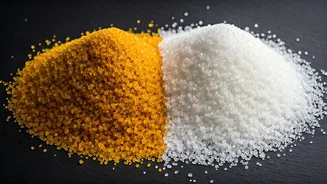
First, let's clear up the confusion. When a label says “no refined sugar,” it means the product doesn’t contain sugars that have been industrially processed, like white table sugar (sucrose) or high-fructose corn syrup. These sugars are stripped of any
nutrients, leaving behind what many call “empty calories”. High consumption of refined sugar is linked to various health issues. However, “no refined sugar” does not mean “no sugar at all”. The sweetness in these products comes from natural sources, which still contain sugars and calories. The key difference lies in how they are processed and the additional nutrients they might offer.
Meet the Sweet Alternatives
So, where does the sweetness come from? A growing number of ice cream brands in India are turning to nature's pantry. Common alternatives include dates, jaggery (gur), honey, maple syrup, and plant-based sweeteners like stevia. Dates provide a caramel-like sweetness and a fibrous texture. Jaggery offers an earthy, complex flavour and contains minerals like iron and magnesium. Honey and maple syrup are classic liquid sweeteners that blend easily, though they can have distinct flavours. Stevia, a plant extract, is a non-nutritive sweetener, meaning it provides intense sweetness with virtually no calories, making it a popular choice for low-calorie and diabetic-friendly options.
The Impact on Flavour and Texture
Replacing sugar in ice cream is a delicate science because sugar does more than just add sweetness; it’s crucial for a smooth, creamy texture. It lowers the freezing point of the mixture, which helps prevent large, crunchy ice crystals from forming. Different natural sweeteners behave differently. Liquid sweeteners like honey and maple syrup can make ice cream softer and quicker to melt. Date syrup can increase viscosity and result in a product that melts more slowly. Some find that stevia can have a slightly bitter aftertaste, though formulations have improved significantly to minimise this. Many brands now use a blend of sweeteners to achieve the perfect balance of taste and texture, creating a creamy scoop that rivals its full-sugar counterparts.
Are They Really Healthier?
This is the million-dollar question. Natural sweeteners are generally less processed and may retain some vitamins, minerals, and antioxidants that refined sugar lacks. For example, jaggery is a source of iron and potassium, while raw honey has antioxidant properties. However, it's important to avoid the “health halo” effect. With the exception of zero-calorie options like stevia, most natural sweeteners are still calorie-dense. When it comes to blood sugar, the glycemic index (GI) matters. Raw honey tends to have a lower GI than table sugar, while jaggery's GI can be surprisingly high, often similar to or even higher than sugar's. Therefore, while they may offer more nutritional value, moderation is still essential.
How to Choose Your Scoop
With the refined-sugar-free dessert market in India growing rapidly, you have more choices than ever. When you pick up a tub, look beyond the front label. Check the ingredients list to see which sweeteners are used. If you're managing blood sugar, understanding the GI of sweeteners like dates, honey, and jaggery can help you make a better choice. Pay attention to the “total sugar” on the nutrition panel, which includes both naturally occurring and added sugars. Ultimately, the best choice is one that satisfies your craving while aligning with your personal health goals. Exploring different brands and their unique sweetener blends can be a delicious journey of discovery.