



The Unshakeable Culture of Snacking
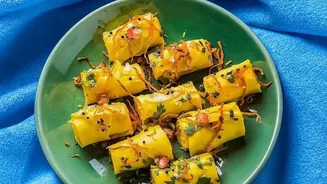
In India, snacking is more than just a means to satisfy hunger between meals; it's a cultural ritual. From the evening chai paired with crispy mathri to the vada pav grabbed on a busy Mumbai street, snacks are deeply woven into the social and emotional
fabric of the nation. They are about community, comfort, and celebration. For decades, this landscape has been dominated by traditional favourites, often deep-fried and rich in flavour. While these beloved classics remain popular, consumer preferences are beginning to evolve, driven by a significant shift in lifestyle and awareness.
A Growing Appetite for Health
The primary driver of this change is a surge in health consciousness across the country. An increasing number of Indians, particularly in urban areas, are actively seeking foods that support their wellness goals. This trend, accelerated in the post-pandemic era, has consumers paying closer attention to ingredient lists and nutritional labels. Factors like rising disposable incomes, compressed urban schedules, and a greater awareness of lifestyle-related health issues are pushing people to look for convenient yet nutritious alternatives to traditional fried snacks. Consumers want the satisfaction of a snack without the guilt, and the market is responding.
Meet the New Snack Aisle
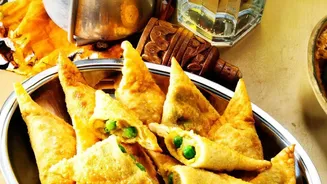
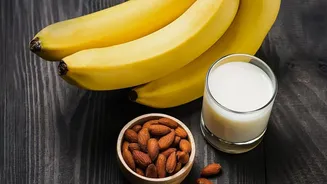
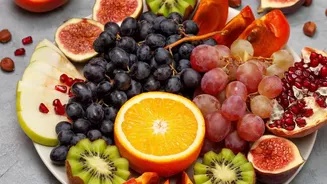
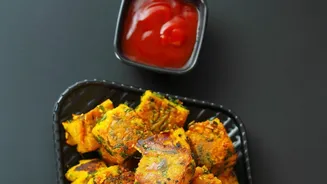
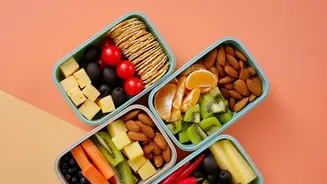
So, what are people eating instead? The new snack aisle is filled with innovative products that often give a modern twist to traditional ingredients. Millets like jowar, bajra, and ragi are making a major comeback in the form of baked puffs, crackers, and chips. Makhana (fox nuts), once primarily a food for fasting, has been transformed into a mainstream crunchy snack available in a variety of flavours. Other popular options include roasted grain and lentil mixes, protein bars, fruit and nut combinations, and baked versions of classics like samosas and chaklis. The emphasis is on moving away from deep-frying towards methods like baking, roasting, and air-frying to reduce unhealthy fats while preserving taste.
Startups and D2C Brands Lead the Charge
Much of this innovation is being spearheaded by a vibrant ecosystem of direct-to-consumer (D2C) brands and food startups. These nimble companies are quick to identify market gaps and respond to consumer demands for clean labels, natural ingredients, and transparent sourcing. Using digital platforms and quick commerce for distribution, they have made healthy snacks more accessible than ever, reaching consumers in metros and even Tier 2 and Tier 3 cities. While legacy brands are also entering the space, startups have been instrumental in creating and defining this new category, blending traditional Indian flavours with modern health trends.
Evolution, Not Replacement
It's important to note that this shift isn't about abandoning India’s rich culinary heritage. Rather, it's about reinventing it for a new generation. Many successful new products are healthier adaptations of familiar tastes. Think baked mathri, multigrain khakhra, masala lentil snacks, and millet-based versions of regional favourites. This approach allows consumers to enjoy the flavours they grew up with in a format that aligns with contemporary wellness goals. The trend shows that tradition and innovation can coexist, offering the best of both worlds: the comforting taste of home and the benefits of mindful eating.