



Maximise Your Sunlight
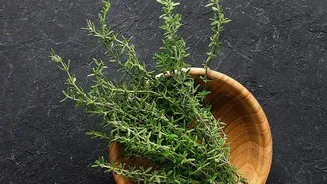
Thyme is a sun-loving herb that needs at least six to eight hours of direct, bright light each day to truly thrive. A south-facing window is the ideal location for your potted thyme. If you lack a perfect sunny spot, a west-facing window is the next best
choice. Insufficient light is a primary reason indoor thyme plants fail, often becoming 'leggy'—with long, sparse stems and fewer leaves—and losing their potent flavour. You can rotate the pot every few days to ensure all sides of the plant receive even light, preventing it from leaning towards the window. If your home doesn't provide enough natural light, consider supplementing with an LED grow light for 12 to 14 hours daily to mimic a full day of sun.
The Right Pot and Soil
Thyme despises having 'wet feet' and is extremely prone to root rot if its soil stays damp. Therefore, choosing the right container and soil is crucial. A terracotta or clay pot is an excellent choice because the porous material helps wick excess moisture away from the soil. Above all, ensure the pot has at least one large drainage hole. For the growing medium, thyme needs a gritty, well-draining mix. You can use a standard potting mix blended with sand or perlite to improve drainage. A mix designed for succulents or cacti also works well. This setup ensures that water flows through quickly, keeping the roots healthy.
Watering: Less Is More
Overwatering is the most common mistake when caring for indoor thyme. This plant is drought-tolerant and prefers its soil to dry out completely between waterings. A good rule of thumb is to water thoroughly only when the top inch or two of soil feels bone dry to the touch. This might mean watering as infrequently as every 10 to 15 days, depending on your home's humidity. If the leaves turn yellow or brown and the stems feel soft or mushy at the base, you are likely overwatering. It's always better to underwater thyme than to overdo it.
How to Start Your Plant
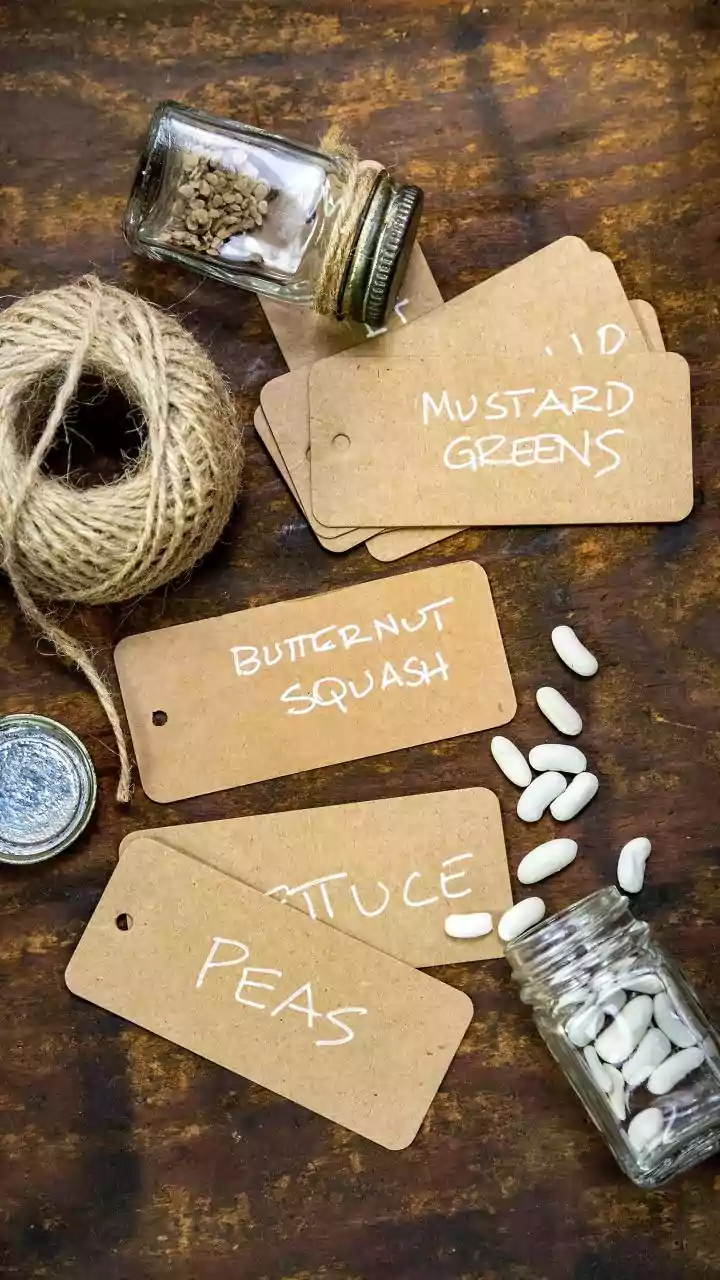
You have a few options for starting thyme. Buying a small, established plant from a nursery is the easiest method. You can also propagate thyme by taking a 3-4 inch cutting from a healthy, non-flowering stem of an existing plant. Growing from seed is possible but can be slow and challenging, with germination taking two to four weeks. Thyme seeds are tiny and need light to germinate, so they should be sprinkled on the surface of the soil and pressed down gently, not buried.
Pruning for a Bushy Plant
Regular pruning is essential to prevent your thyme from becoming woody and to encourage full, bushy growth. The best way to prune is simply to harvest it regularly. Snip off the top few inches of the green, tender stems, always cutting just above a set of leaves. This encourages the plant to branch out. Removing any flowers that appear also helps the plant direct its energy into producing more flavourful leaves. Try not to cut back more than one-third of the plant at any single time, and avoid cutting into the tough, woody base of the stems, as new growth may not appear from old wood.
Fertiliser and Common Issues
Thyme does not require much fertiliser; in fact, too much can dilute its essential oils and reduce its flavour and aroma. A light feeding with a diluted liquid seaweed or fish emulsion solution every few weeks during the growing season is sufficient. Besides root rot from overwatering, look out for poor air circulation, which can lead to fungal issues. If you spot pests like aphids or spider mites, a simple spray of water or insecticidal soap can manage the problem. A healthy, well-lit, and properly watered thyme plant is generally resilient.