








A Major Ally for Blood Sugar
One of the most significant benefits of a post-dinner walk is its powerful effect on blood sugar management. After you eat, your blood glucose levels naturally rise. [3, 10] For most people, this is normal, but large spikes can lead to energy crashes
and, over time, increase the risk for metabolic issues like type 2 diabetes. [4] When you walk, your muscles use glucose for energy, pulling it out of your bloodstream. [10] This helps to prevent your blood sugar from spiking too high. [3] Research shows that even a very short walk of just two to five minutes after a meal can have a measurable effect on moderating blood sugar levels. [2, 4] Studies have found that walking after a meal is more effective for blood sugar control than walking before a meal. [9] This simple act helps keep your glucose and insulin levels more stable, which is beneficial for everyone, not just those with diabetes. [3, 5]
Your Digestive System's Best Friend
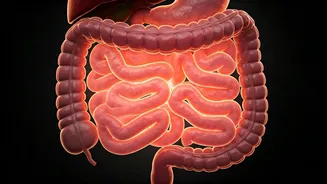
If you often feel bloated or uncomfortably full after dinner, a walk might be the perfect remedy. Gentle movement helps stimulate your stomach and intestines, a process known as motility. [1, 6] This encourages food to move through your digestive system more efficiently, which can prevent that heavy, sluggish feeling. [6, 14] Studies have shown that a walk of just 10 to 15 minutes can help reduce common gastrointestinal symptoms like bloating, gas, and burping. [1, 2] Instead of collapsing on the couch, which can compress your stomach and slow digestion, a light stroll supports your body's natural digestive processes, helping you feel more comfortable after your meal. [16]
A Boost for Heart Health
Regular physical activity is a cornerstone of cardiovascular health, and a post-dinner walk is an easy way to contribute to your daily total. Consistent walking has been shown to help lower blood pressure and reduce LDL (bad) cholesterol. [1] It improves circulation throughout your body; as you walk, your calf muscles act like a “second heart,” helping to pump blood back up to your chest. [8] Research suggests that taking multiple short walks a day, such as after meals, can be an effective strategy for managing blood pressure. [2] The American Heart Association recommends at least 150 minutes of moderate exercise per week, and a brisk 15-minute walk after dinner each night gets you more than halfway there. [1]
A Pathway to Better Sleep
A relaxing evening walk can do wonders for your sleep quality. Gentle physical activity can help reduce stress and anxiety, calming your mind before bed. [10, 16] This physical and mental decompression signals to your body that the day is winding down. [16] Furthermore, walking can help regulate your circadian rhythm, your body's internal 24-hour clock that controls your sleep-wake cycle. [2] By helping with digestion and preventing the discomfort of bloating or indigestion, a post-meal stroll can also remove potential sleep disruptors, making it easier for you to fall asleep and enjoy a more restful night. [9, 11]
The 'How-To' of the Post-Dinner Walk
You don't need an intense workout to reap the benefits. The key is light to moderate intensity. Aim for a comfortable, relaxed pace where you can still hold a conversation. Research suggests the best time to start walking is within 30 minutes of finishing your meal, with a duration of 10 to 20 minutes being highly effective. [1, 7] In fact, some studies have found that a 10-minute walk right after eating can be as beneficial for blood sugar as a 30-minute walk taken later. [1, 5] If you feel any discomfort like cramps or nausea, try waiting 10 or 15 minutes after you finish eating before you head out. [1] The most important thing is consistency, so find a routine that feels good for you and your body.