








More Than a Morning Walk
The term "third place," coined by sociologist Ray Oldenburg, refers to the crucial social environments outside our homes (the first place) and workplaces (the second). These are the cafes, parks, and community centres where we connect and unwind. In India's
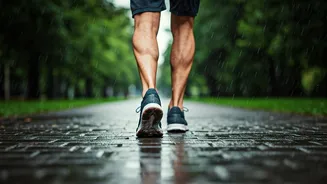
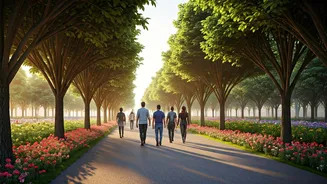
bustling metropolises, a new contender for this title has appeared: the humble walking club. This isn't your grandfather's solitary morning constitutional. These are organized groups, often coordinated via WhatsApp or Instagram, that blend fitness with social interaction. They are structured around a shared purpose—to walk—but their true value lies in the community they build along the way. Members aren't just counting steps; they're sharing stories, discovering new corners of their city, and building friendships that extend far beyond the designated route.
Why Now? The Post-Pandemic Push
The surge in popularity for walking clubs isn't accidental. It’s a direct response to the lingering effects of the pandemic. After years of isolation and digital fatigue, people are actively seeking genuine, face-to-face connections. Walking provides the perfect, low-barrier-to-entry activity. It doesn't require expensive gear, a costly membership, or a high level of athletic prowess. This accessibility has democratized group fitness. Furthermore, there's a growing wellness movement that prioritizes consistency and mental health over extreme physical exertion. A brisk walk with friends ticks all the boxes: it's good for the body, calming for the mind, and deeply restorative for the social soul starved of interaction.
Finding Your Tribe, Step by Step
India's walking club scene is as diverse as its population. In Mumbai, groups like the ‘Bombay Striders’ have cultivated a massive following, organizing everything from regular city walks to ambitious marathon training sessions. In Bengaluru, tech professionals form early-morning groups to decompress before a day of coding, exploring the city’s green spaces like Cubbon Park. Meanwhile, heritage walks in cities like Delhi and Kolkata combine history lessons with light exercise, attracting a mix of locals and tourists. These clubs are dismantling the stereotype that walking is a passive activity for the elderly. They are vibrant, multi-generational communities where young professionals, new parents, and active retirees meet on equal footing, united by the simple rhythm of putting one foot in front of the other.
Your City Is the New Gym
One of the most compelling aspects of this trend is how it encourages urban exploration. For many city dwellers, daily life is a predictable loop between home and office. Walking clubs break that monotony. A route might snake through a historic neighbourhood, revealing hidden architectural gems. Another might explore a coastal promenade at sunrise, offering a new perspective on a familiar landmark. This turns exercise from a chore into an adventure. Participants are not just burning calories; they are actively engaging with their environment and rediscovering the cities they call home. This fosters a deeper sense of place and civic pride, transforming impersonal urban landscapes into shared community spaces. The pavement becomes a pathway to discovery.
The Social Health Benefit
Ultimately, the success of walking clubs lies in their ability to combat a uniquely modern affliction: loneliness. In an era of curated digital personas, these groups offer authentic, unpretentious interaction. The conversations that unfold over a 5-kilometre walk are often more meaningful than a dozen online exchanges. Members celebrate personal milestones, offer support during tough times, and even forge professional connections. This informal network becomes a vital support system. It proves that community doesn't have to be built in a formal setting. Sometimes, the strongest bonds are formed simply by walking side-by-side, sharing a path, and enjoying the journey together.