




Understanding the Fibre Fundamentals
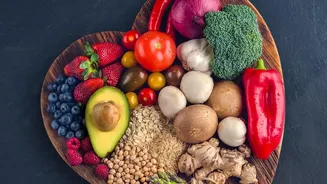
Dietary fibre is a type of carbohydrate that our bodies cannot digest. It plays a crucial role in maintaining good health, from ensuring smooth digestion to helping manage blood sugar and cholesterol levels. There are two main types: soluble and insoluble.
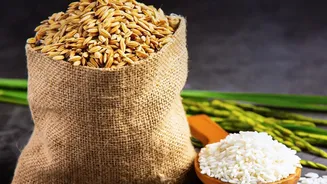
Soluble fibre dissolves in water to form a gel-like substance, found in foods like oats, dals, and apples. This helps in controlling blood sugar and cholesterol. Insoluble fibre, found in whole grains and vegetables, adds bulk to stool and helps prevent constipation. A healthy diet needs a good balance of both, and thankfully, most plant-based foods contain a mix of the two.
Start Your Day with a Fibre Boost
Breakfast is the perfect opportunity to front-load your fibre intake. Instead of relying on refined options, consider traditional Indian breakfasts that are naturally rich in this nutrient. A vegetable dalia or masala oats upma can provide a warm and filling start. Even a simple moong dal or besan chilla, packed with finely chopped vegetables like carrots and spinach, is an excellent choice. Another easy swap is to use ragi or brown rice to make idlis or dosas. These small changes not only increase fibre but also provide sustained energy to keep you full and focused through the morning.
Rethink Your Main Meals: Lunch and Dinner
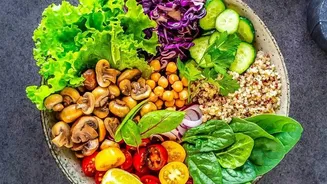
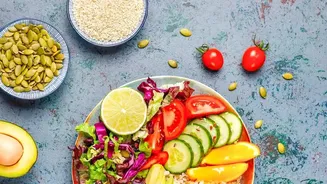
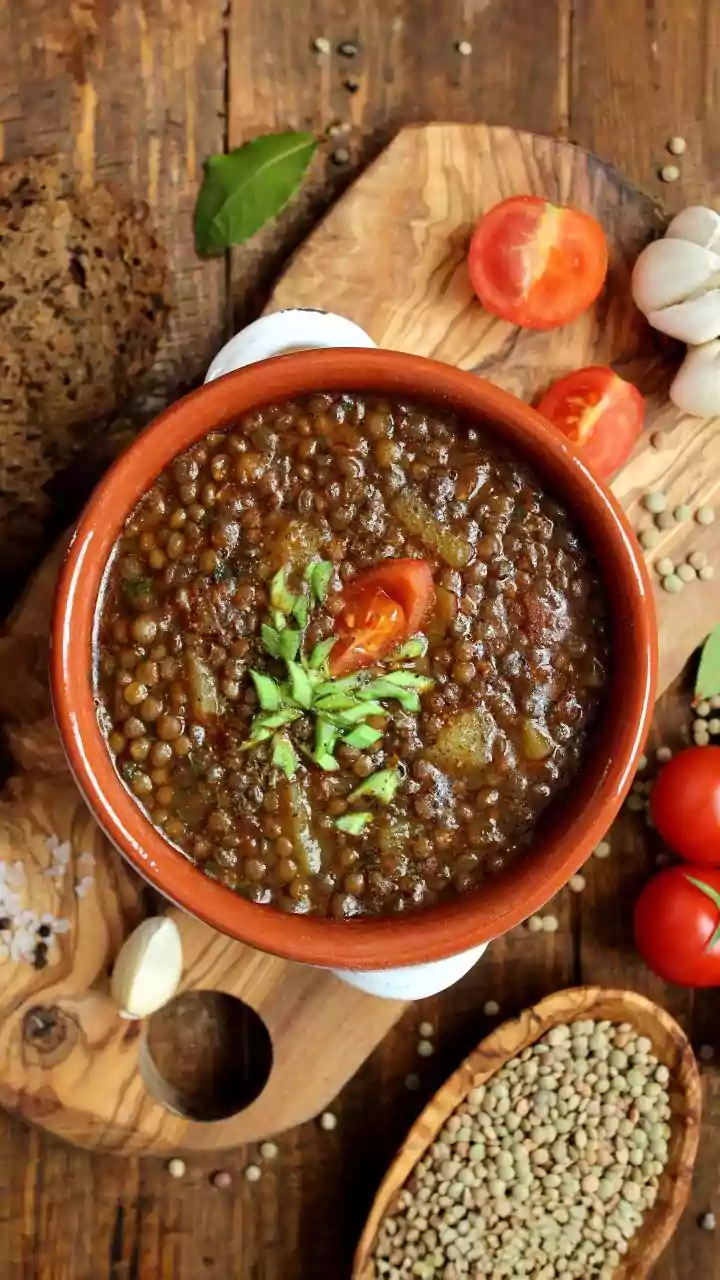
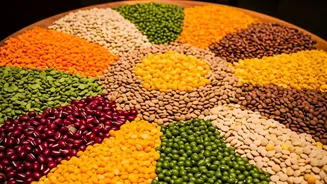
Making your main meals more fibrous is simpler than you think. A great rule of thumb is to fill half your plate with vegetables. Instead of just a plain dal, add greens like palak or methi, or other vegetables like lauki (bottle gourd). Make it a habit to include a serving of legumes like rajma, chana, or whole dals with every main meal. When making rotis, try mixing whole wheat atta with other fibre-rich flours like jowar, bajra, or ragi. If rice is a staple, consider swapping white rice for brown rice or millets a few times a week, or simply increase the quantity of dal and sabzi served alongside it. Also, don't peel vegetables like carrots, cucumbers, and potatoes, as much of their fibre is in the skin.
Smart Snacking for the Fibre Win
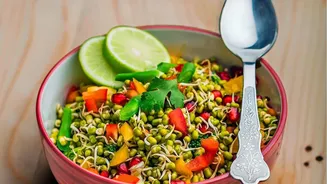
Snack time is often where healthy habits can waver, but it's also an easy place to add more fibre. Swap packaged namkeens and biscuits for a handful of roasted chana, peanuts, or makhana. A whole fruit like a guava, apple, or pear is always a better choice than its juice, as the fruit itself contains all the beneficial fibre. A small bowl of sprouts chaat or even just some vegetable sticks can be a refreshing and crunchy alternative. Adding seeds like flaxseed or chia seeds to a bowl of curd is another quick hack to increase your fibre intake between meals.
Hydration is a Non-Negotiable Partner
As you increase your fibre intake, it is crucial to also increase your water consumption. Fibre works by absorbing water in your digestive system, which helps soften stool and promote regular bowel movements. Without enough water, a sudden increase in fibre can lead to discomfort, bloating, or even constipation—the very thing you might be trying to avoid. Aim to drink at least 2-3 litres of water throughout the day to help the fibre do its job effectively. Remember to increase your fibre intake gradually over a few weeks to allow your digestive system to adapt.