

A Junkyard in the Sky
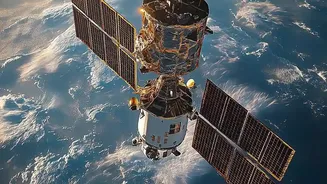
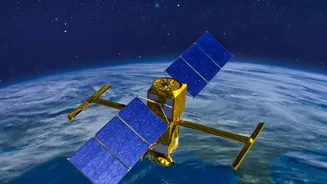
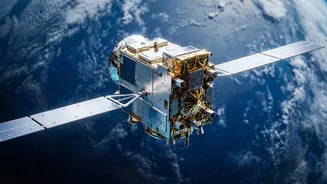
The space above our heads is becoming dangerously crowded. Since 1957, humanity has launched thousands of satellites, but the pace has accelerated dramatically with the rise of commercial mega-constellations like Starlink. As of late 2026, there are over
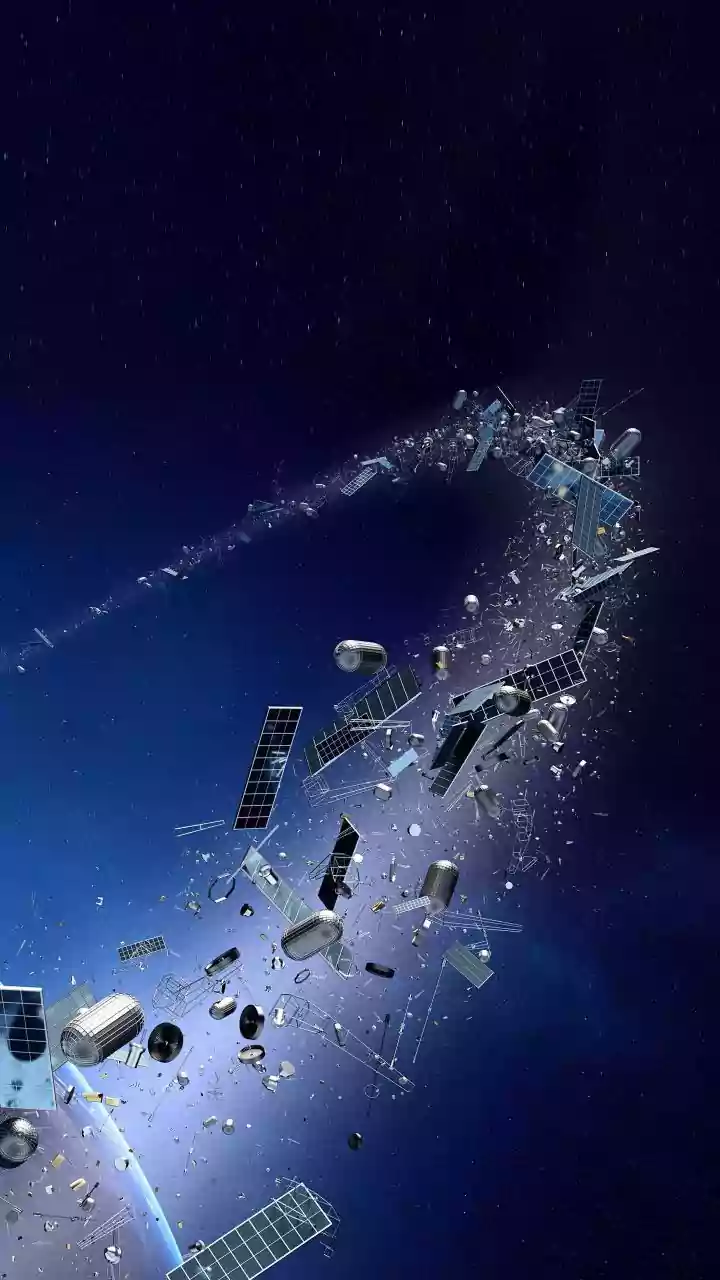
18,000 active satellites in orbit, with projections expecting tens of thousands more by the end of the decade. This orbital rush hour includes not just active satellites but also a huge amount of 'space junk': defunct spacecraft, discarded rocket stages, and millions of smaller fragments from past collisions and breakups. According to the European Space Agency (ESA), there are over a million debris objects larger than one centimetre — big enough to disable a satellite on impact — travelling at speeds of around 28,000 km/h. This proliferation is making some of the most valuable orbital highways increasingly hazardous.
The Realities of Orbital Risk
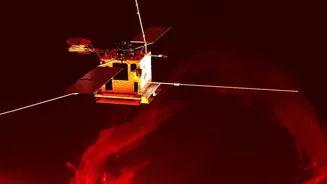
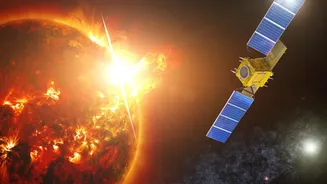
Recent analyses, including the ESA's 2026 Space Environment Report, paint a sobering picture. The primary concern is no longer just the number of new launches, but the self-sustaining nature of the debris problem. Collisions create more debris, which in turn increases the likelihood of more collisions. This phenomenon, known as the Kessler Syndrome, has moved from a theoretical concept to a present-day operational challenge. Studies now confirm that even if all space launches stopped tomorrow, the amount of debris in certain orbital bands would continue to increase due to this cascading effect. Recent events underscore the risk; in October 2026, an old Soviet-era satellite broke apart, adding a fresh cloud of debris to a densely populated orbit. These risks are compounded by other threats, including extreme space weather like solar storms that can increase atmospheric drag and damage electronics, and the growing potential for cyberattacks on increasingly complex satellite networks.
Why Resilience Is Now Critical
A failure in orbit doesn't stay in orbit. The global economy is deeply dependent on space-based infrastructure for everything from financial transactions and weather forecasting to logistics and emergency communications. A significant disruption could have cascading effects on the ground. Recognizing this, the focus of the space industry and regulatory bodies is shifting towards resilience. This involves more than just avoiding collisions. It means designing satellites that can better withstand the harsh environment, including using more robust materials and incorporating redundancy in critical systems. It also means improving our ability to track objects in space, with companies like Northstar and Privateer developing new sensor constellations for better space situational awareness. The goal is to create a more transparent and manageable space environment where operators can receive timely warnings and manoeuvre their spacecraft out of harm's way.
The Race for a Sustainable Future in Space
Ensuring the long-term usability of Earth's orbit requires a multi-pronged approach. International cooperation and clear 'rules of the road' are essential. This includes enforcing guidelines for responsible satellite design, such as ensuring new spacecraft can be safely de-orbited at the end of their life within a set timeframe. Technology is also playing a key role. Active Debris Removal (ADR) missions, like those being developed by the ESA, aim to capture and remove the most dangerous pieces of existing junk. Other innovations focus on making satellites easier to service or recycle in orbit, potentially turning orbital graveyards into resource mines. Ultimately, the challenge is to balance the immense commercial and scientific opportunities of space with the collective responsibility to preserve it as a viable resource for future generations. The questions raised by recent risk studies are no longer academic; they are urgent calls to action for a more sustainable approach to our activities in orbit.