





The 'Too Much, Too Soon' Trap
In the age of high-intensity interval training (HIIT) and extreme fitness challenges, it is tempting to believe that more pain equals more gain. For a beginner, however, this mindset can be counterproductive and even dangerous. Jumping into explosive
or high-impact movements without a proper foundation places immense stress on your musculoskeletal system. A novice's tendons, ligaments, and joints are not yet conditioned to handle the sudden load, which significantly increases the risk of injuries like sprains, stress fractures, and joint pain. Beyond the physical risks, starting too intensely can also lead to psychological burnout, making exercise feel like a punishment rather than a positive habit and derailing your motivation before you even truly begin.
Understanding Low-Impact Movement
So, what does 'joint-friendly' or 'low-impact' actually mean? In simple terms, it refers to activities that minimize the jarring force on your joints. Generally, this means exercises where at least one of your feet remains on the ground at all times. Think of the smooth glide of a bicycle pedal versus the pounding of running on pavement. Low-impact movement reduces excessive compression on your knees, hips, and ankles, which is especially important when your body is still adapting to regular physical activity. These exercises work by building strength in the muscles that support your joints, improving stability and reducing the load they have to bear over time.
Your Starting Lineup of Exercises
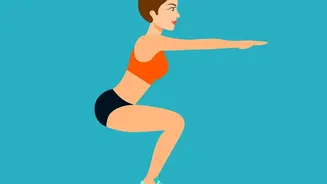
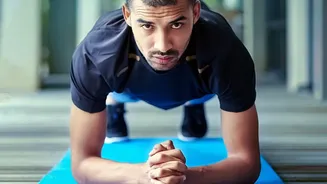
Building a routine with the right exercises is key. Walking is one of the most accessible and effective low-impact workouts, helping strengthen bones and muscles while being gentle on joints. Water-based exercises like swimming or water aerobics are also excellent, as the water's buoyancy supports your body weight, removing almost all impact. Stationary cycling, whether on an upright or recumbent bike, provides a great cardiovascular workout without the stress of repeated foot strikes. Finally, don't underestimate bodyweight exercises. Modified movements like wall sits, knee push-ups, and planks build foundational strength and stability without needing any equipment at all.
Building a Foundation That Lasts
The goal for a beginner should not be intensity, but consistency. The first several weeks of a new fitness plan are about teaching your body to adapt and creating a sustainable habit. Starting slow allows you to focus on proper form, which is your best defense against injury. When you perform exercises correctly, you engage the right muscles and protect vulnerable joints. This foundational phase helps your connective tissues strengthen and improves your body's overall work capacity. Rather than chasing exhaustion in a single workout, aim to feel energized and successful. This positive reinforcement is crucial for longterm adherence, turning exercise from a chore into a valued part of your lifestyle.
How to Know When to Progress
Starting slow doesn't mean staying in the same place forever. The principle of 'progressive overload' is the key to getting stronger over time. This simply means gradually increasing the demand on your body so it continues to adapt. Once you feel comfortable with your routine and can complete your workouts with good form, you can start to make small changes. This doesn't always mean lifting heavier weights. For beginners, progress can mean adding five minutes to your walk, increasing the number of repetitions of a bodyweight exercise, or reducing the rest time between sets. The key is to listen to your body and make only one small change at a time.