






Understanding the Monsoon Menace
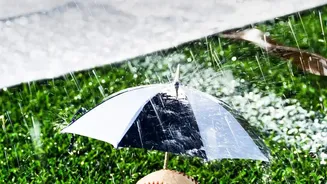
During the rainy season, the electrical grid is under immense stress. Lightning strikes can send massive, instantaneous power surges through wiring that can fry sensitive circuits in seconds. High winds and falling trees can knock down power lines, causing
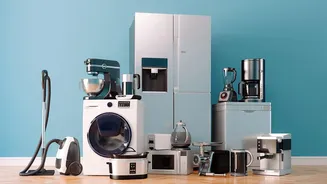
not just blackouts but also volatile voltage spikes when power is restored. Furthermore, increased humidity and water seeping into electrical systems can lead to short circuits and fluctuations. This trifecta of surges, outages, and inconsistent voltage creates a hazardous environment for everything from your television and refrigerator to your laptop and smartphone. Even minor fluctuations, repeated over time, can degrade components and shorten the lifespan of your appliances.
Layer 1: The Essential Surge Protector
Think of a surge protector as your first and most basic line of defence. It's a device that sits between the wall outlet and your electronics, designed to absorb and divert short-term voltage spikes. However, not all power strips are surge protectors. When buying one, look for its joule rating—this indicates how much energy it can absorb before it fails. A higher number is better, with ratings of 600 joules or more recommended for valuable equipment. It's crucial to remember that surge protectors are sacrificial; after absorbing a significant surge, they may no longer offer protection and will need to be replaced. They are ideal for protecting clusters of devices like your TV and home theatre system, or your computer and its peripherals.
Layer 2: The Uninterruptible Power Supply (UPS)
While a surge protector handles spikes, it does nothing for a power cut. That's where an Uninterruptible Power Supply (UPS) comes in. A UPS contains a battery that provides instant backup power the moment the mains supply is cut. This is absolutely critical for devices like desktop computers, Wi-Fi routers, and gaming consoles. The goal of a UPS isn't to let you continue working for hours, but to provide a crucial window of 5-15 minutes to save your work and shut down your devices safely, preventing data loss and potential hardware corruption. Many modern UPS devices also include built-in surge protection and some level of voltage regulation, making them a 3-in-1 solution for critical electronics.
Layer 3: The Voltage Stabilizer for Big Appliances
Your refrigerator and air conditioner have a different enemy: not just sudden surges, but sustained high or low voltage. These 'brownouts' can damage the sensitive motors and compressors in these large appliances. A voltage stabilizer's job is to monitor the incoming electricity and correct it, boosting it when it's too low and reducing it when it's too high to provide a consistent, safe output. Unlike a UPS, a stabilizer has no battery backup. It's specifically designed for motor-driven appliances that don't need to stay on during a blackout but are vulnerable to the everyday fluctuations common across the Indian grid, especially during monsoon.
Simple Habits and Whole-Home Solutions
Beyond specific devices, simple habits can provide a powerful layer of safety. The easiest and most effective measure during a severe thunderstorm is to simply unplug non-essential electronics like TVs, chargers, and entertainment systems. Also, ensure your devices have proper ventilation, as high humidity makes it harder for them to dissipate heat. For comprehensive protection, consider a whole-home surge protector. Installed at your main electrical panel by a qualified electrician, this device shields your entire house from major external surges, acting as a gatekeeper for all the wiring within your walls. This provides a foundational level of safety that individual protectors then build upon.