


The New Space Race Is Commercial
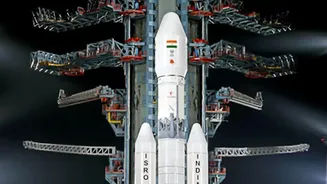
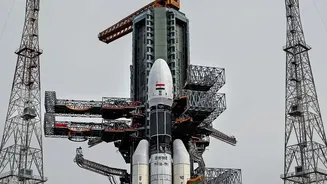
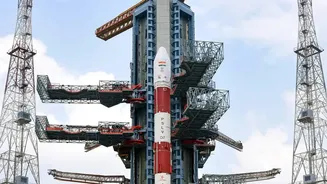
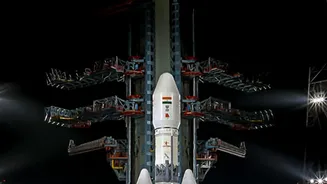
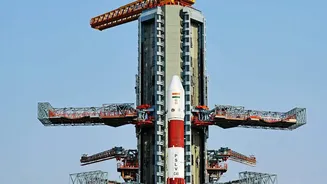
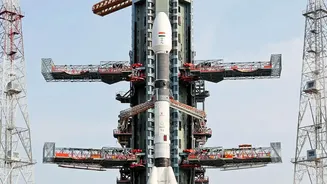
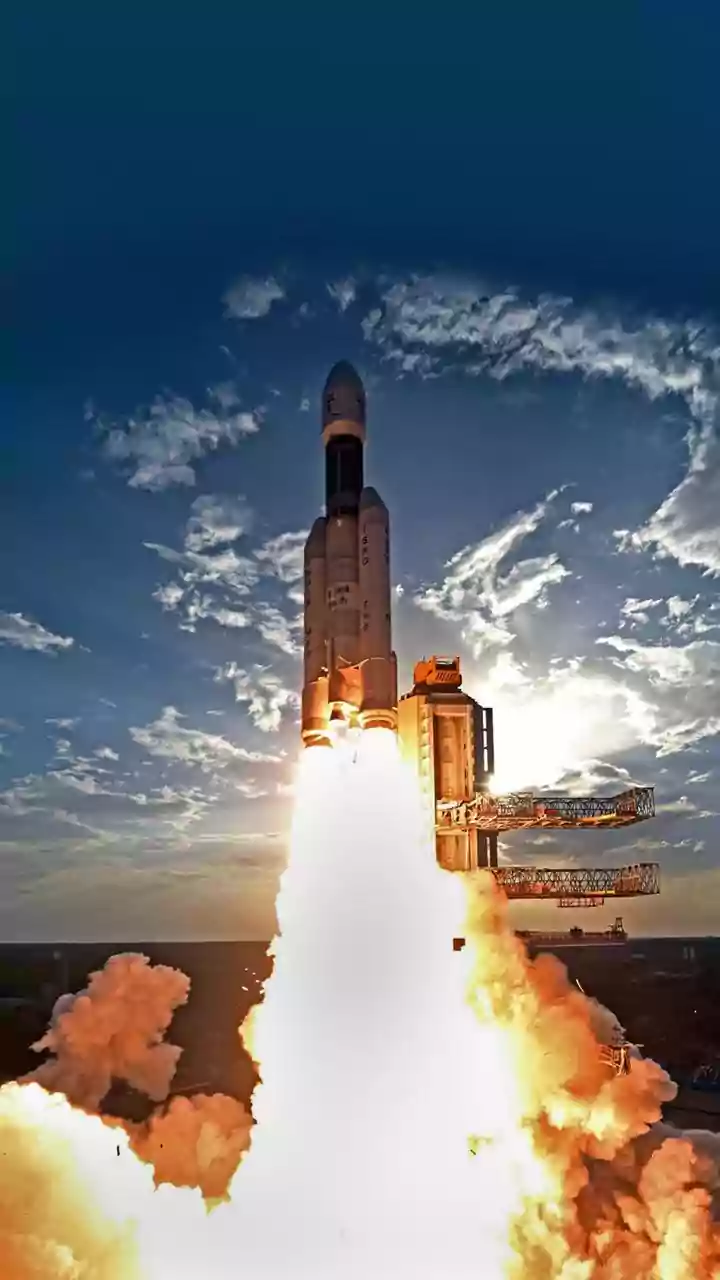
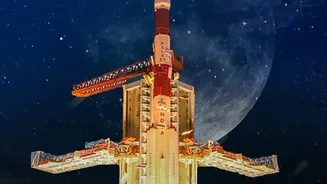
For decades, a career in space in India meant one thing: a coveted position at the Indian Space Research Organisation (ISRO). But since the government opened the sector to private enterprise in 2020, a universe of opportunity has emerged. Over 400 private space startups
have registered, transforming a state-led programme into a commercially-driven market projected to be worth nearly $44 billion by 2033. Companies like Skyroot Aerospace, Agnikul Cosmos, and Pixxel are not just supporting ISRO; they are building their own rockets, designing satellite constellations, and creating a demand for a new generation of professionals. This isn't just about more engineering jobs; it's about building an entire ecosystem.
The Data Analysts: Making Sense of the Stars
The most valuable resource coming from space might not be moon rocks, but data. Earth observation satellites generate petabytes of information, and the real business lies in interpreting it. This has created a massive demand for data scientists, machine learning engineers, and GIS analysts. Companies like Pixxel and SatSure hire experts who can build algorithms to analyse satellite imagery, providing crucial insights for sectors like agriculture, climate change monitoring, urban planning, and defence. Skills in Python, data analytics, and AI are now as vital to the space economy as rocket propulsion. These roles turn raw satellite images into actionable business intelligence.
The Digital Guardians: Software and Cybersecurity Experts
Every modern spacecraft, satellite, and ground station is a sophisticated computer that happens to be in orbit or on a launchpad. Millions of lines of code govern mission operations, navigation, and data transmission, making aerospace software engineers indispensable. But as space assets become more connected and commercial, they also become targets. This has given rise to a critical need for cybersecurity specialists who can protect valuable communication and navigation satellites from cyberattacks. These digital guardians ensure that India’s assets in space remain secure and operational.
The Makers: Advanced Manufacturing and Materials
Building for the harsh environment of space requires constant innovation in what things are made of and how they are built. The push for lighter, stronger, and reusable rockets and satellites is driving demand for materials scientists and advanced manufacturing engineers. These professionals work with cutting-edge composites, alloys, and 3D-printing techniques to create next-generation components that can withstand extreme temperatures and radiation. Agnikul Cosmos, for instance, famously uses 3D printing to create its semi-cryogenic rocket engines in a single piece, showcasing how manufacturing innovation is core to the new space race.
The Ecosystem Builders: Lawyers, Marketers and Financiers
A brilliant rocket engine is only useful if it can be funded, insured, marketed, and sold. The commercialisation of space has created a talent gap in non-technical domains that is just as critical as the engineering one. Space-tech startups need financial analysts and business development managers to secure venture capital and forge partnerships. They need lawyers who understand the complexities of international space treaties, intellectual property, and liability. They also need storytellers—marketing professionals, communication specialists, and even designers—to build their brand and explain their complex work to clients and the public. A look at the careers page for Dhruva Space reveals openings for a 'Bid Manager' and 'Visual Designer' alongside engineers.