



A Dangerous Thirst in Spring
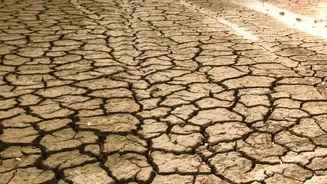
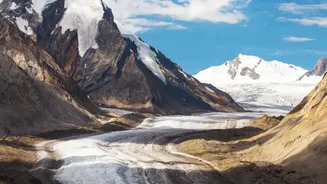
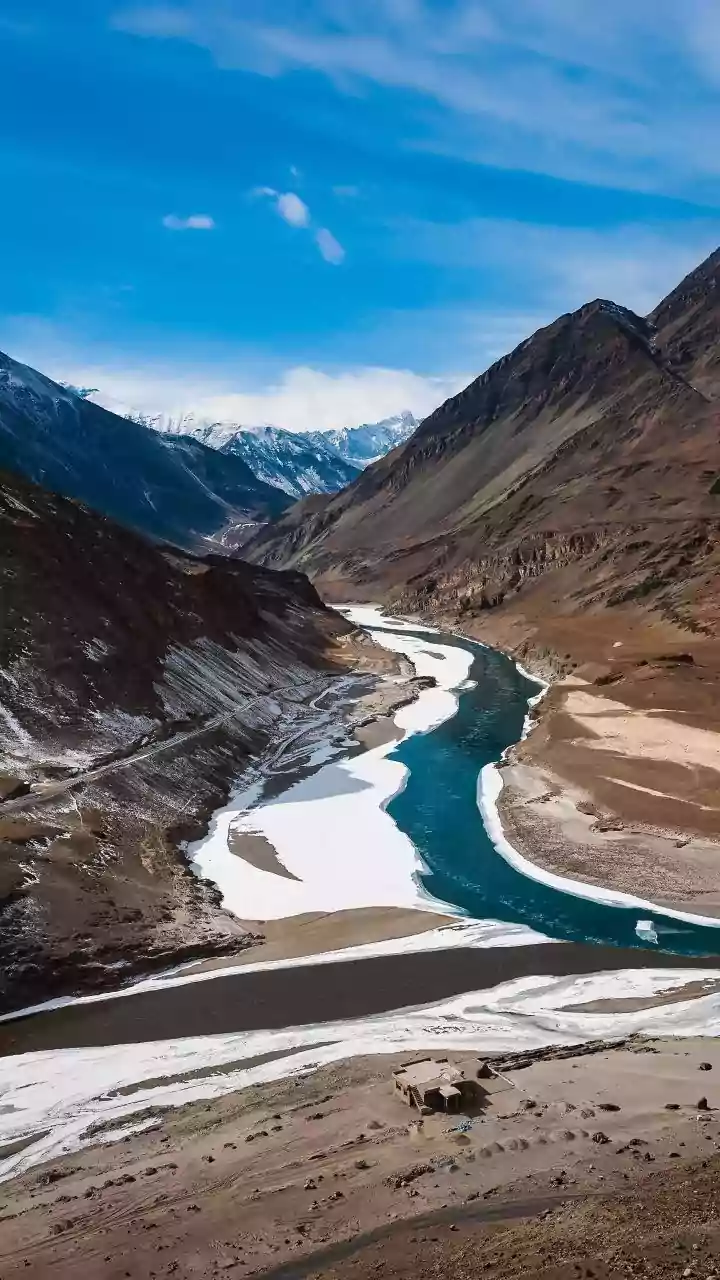
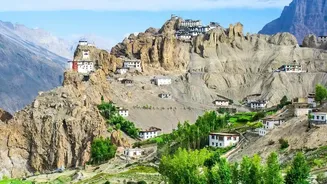
For generations, the agricultural calendar in Ladakh has been dictated by the rhythm of ice. Farmers in this cold desert, which receives minimal rainfall, depend almost entirely on the slow melt of glaciers to water their barley and vegetable crops during
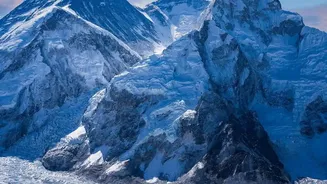
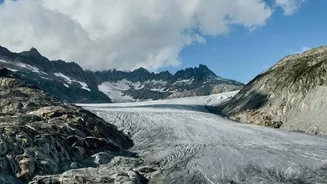
the crucial spring sowing season. However, climate change has thrown this delicate balance into chaos. Rising temperatures are causing glaciers to retreat and winter snow to melt too early and too quickly. This results in a devastating water shortage during April and May, as the natural glacial melt that once sustained their fields now arrives too late in the summer, long after the planting season has passed. This leaves farmers without the water they need, threatening their livelihoods and the region's food security.
An Inspired Solution: The Ice Stupa
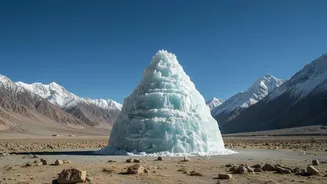
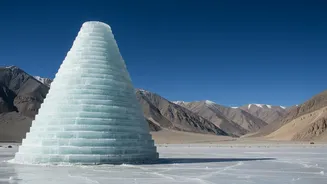
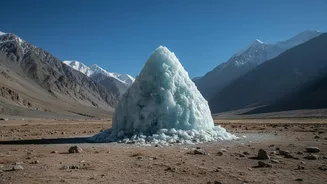
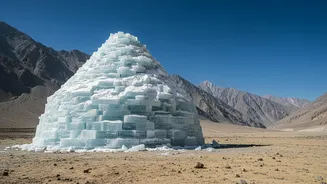
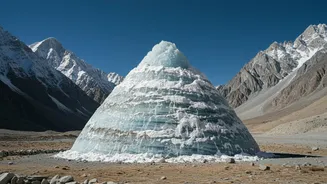
Faced with this existential threat, Ladakhi engineer and innovator Sonam Wangchuk developed a brilliantly simple and effective solution: the ice stupa. First prototyped in 2013, an ice stupa is a man-made, conical glacier built during the coldest winter months. The technology harnesses basic physics and the region's topography. A pipeline channels water from a stream at a higher elevation down to a village. Thanks to gravity, the water travels down the pipe and, when released through a sprinkler-like nozzle, shoots upwards into the sub-zero air without any need for pumps or electricity. The spraying water freezes as it falls, gradually forming a massive, cone-shaped mound of ice that resembles the traditional Buddhist monuments from which it gets its name.
Why the Conical Shape Matters
The design is no accident. Wangchuk's key insight, building on earlier experiments with flat artificial glaciers by Chewang Norphel, was the shape. A cone exposes the minimum possible surface area to the direct sun for the volume of water it holds. This simple geometric principle means the ice stupa melts much more slowly than a flat sheet of ice would. The frozen water remains locked away through the coldest parts of the year, and then, as temperatures rise in the spring, it begins to melt gradually. This slow release provides a steady stream of water precisely when farmers need it most, bridging the dangerous gap between the early snowmelt and the later arrival of natural glacier runoff. A single large stupa can hold millions of litres of water, enough to irrigate vast swathes of land.
From Local Prototype to Global Movement
The success of the first ice stupas was immediate and transformative. A pilot project in 2015 allowed villagers to plant over 5,000 tree saplings in previously barren land. Since then, the idea has expanded rapidly. The project, supported by Wangchuk's organization, the Himalayan Institute of Alternatives, Ladakh (HIAL), has seen the construction of dozens of stupas across Ladakh. The initiative has grown through community participation, with villages even holding competitions to see who can build the tallest stupa. The technology's success has also gained international recognition, leading to the construction of ice stupas in other mountainous regions facing similar challenges, including Switzerland and experiments in Chile.
A Symbol of Hope and a Call to Action
The expansion of ice stupa technology is driven by its proven effectiveness. With more than 50 stupas in Ladakh and more being built globally, the concept has evolved from a clever experiment into a vital climate adaptation strategy. HIAL continues to refine the process, even exploring automation to make the system more efficient. However, proponents are clear that ice stupas are a form of life support, not a cure for the underlying disease of climate change. They are a powerful symbol of human ingenuity and community resilience in the face of an environmental crisis. They buy precious time for agriculture in Ladakh, but they also serve as a stark, frozen reminder of the urgent need for global action to protect the world's natural glaciers before it's too late.