





The Foundation: Plan Your Meals
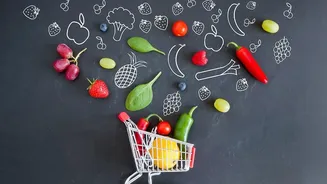
The single most effective way to control your grocery spending is to plan your meals before you shop. Take 15 minutes each weekend to decide on the main meals for the week ahead. Check your pantry and fridge to see what you already have, then build a shopping
list with exact items and quantities. This simple habit prevents impulse buys and ensures that everything you purchase has a purpose. A well-made list is your best defence against the tempting aisles of a supermarket and the pressure to overbuy at the local market.
Shop Local and Seasonal
While supermarkets offer convenience, your local sabzi mandi or weekly market is often where you'll find the best prices, especially for fresh produce. Vendors there have lower overheads and source directly. More importantly, focus on buying seasonal fruits and vegetables. When produce is in season, it's abundant, which naturally drives down the cost. Buying bhindi in summer or carrots in winter is always cheaper than purchasing them off-season when they have to be transported from farther away.
Master Smart Storage to Eliminate Waste
Every vegetable that spoils is money thrown away. Proper storage can dramatically extend the life of your groceries. For instance, leafy greens like spinach and coriander should be washed, dried thoroughly, wrapped in a cloth or paper towel, and stored in an airtight container in the fridge. This can make them last for a week instead of just a couple of days. Onions and potatoes should be kept in a cool, dark, and dry place, but not together, as gases from onions can cause potatoes to sprout faster. Learning these simple tricks can significantly reduce food waste and save you money.
Embrace the Full Vegetable
Traditional Indian cooking has always been resourceful, and it's a principle we can revive to save money. Many parts of vegetables that we typically discard are perfectly edible and nutritious. For example, cauliflower stems and leaves can be used in sabzis or stir-fries. The peels of vegetables like bottle gourd or ridge gourd can be turned into delicious chutneys or bhajis. Not only does this reduce waste, but it also adds more fibre and nutrients to your diet, stretching your grocery budget further.
Leverage Pulses and Legumes
Pulses (dals) and legumes like chana and rajma are the backbone of Indian cuisine for a reason: they are an incredibly affordable and healthy source of protein. With prices of some protein-rich items on the rise, making dal a centrepiece of your meals a few times a week is a smart financial move. You can buy them in bulk, as they have a long shelf life, which often reduces the per-kilogram cost. A hearty dal tadka or a simple chana masala can be just as satisfying as a more expensive paneer or meat dish.
Cook Once, Eat Twice (or More)
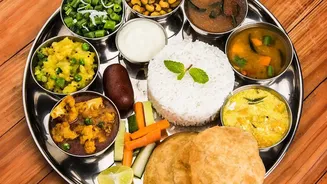
Cooking in slightly larger batches and creatively repurposing leftovers can save both time and money. Leftover rice can easily become the next day's fried rice or lemon rice. Extra dal can be used to make dough for parathas, and a mix of leftover cooked vegetables can be turned into a sandwich filling or a topping for uttapam. Adopting a 'cook more, waste nothing' philosophy ensures that you extract the maximum value from every single item you buy.