






A Gateway Under Pressure
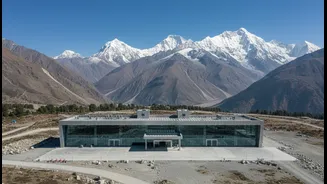
Situated at an altitude of over 10,600 feet, Leh's airport is one of the highest in the world and a critical lifeline for the region. For years, it has been the primary entry point for tourists, pilgrims, and essential supplies, especially when high mountain
passes are closed by snow. However, the existing terminal, with its limited capacity, has been stretched thin. During peak season, the small building often becomes a bottleneck, leading to long queues and a cramped experience for passengers arriving in the thin mountain air. The current airport handles about 18 flights a day, which is insufficient to meet the growing demand from both tourists and locals.
A Monumental Leap in Capacity
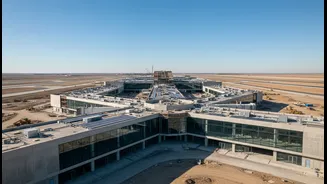
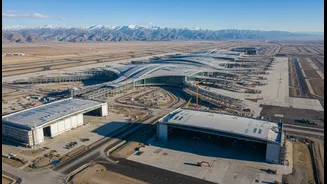
The new integrated terminal, now reported as 83% physically complete by the Civil Aviation Minister, is set to resolve these issues decisively. The project represents a monumental upgrade, designed to triple the airport's flight handling capabilities. Once operational, the terminal will be able to manage up to 54 flights daily. This massive increase in capacity is expected to slash travel bottlenecks, particularly during the busy summer months. The new facility is designed to handle between 2 to 3.5 million passengers annually, a significant jump from the current traffic of around 1.5 to 2 million. This expansion is a cornerstone of a broader government push to modernize aviation infrastructure in strategically important regions.
Designed for the Himalayas
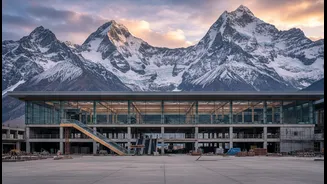
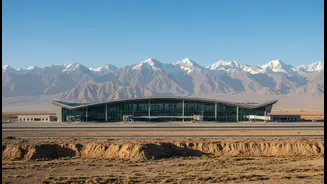
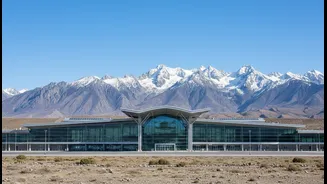
Built at a cost of approximately ₹480 to ₹640 crore, the new terminal is an engineering marvel tailored for its extreme environment. Spread over 19,000 square metres, it will feature modern amenities such as aerobridges, a first for Leh, which will allow passengers to board and deplane without being exposed to the harsh weather. The entire building will be centrally heated and cooled using an innovative geothermal system, making it India's first airport to use this technology on a large scale for temperature control. This, combined with a 700 kWp rooftop solar power system, underscores a commitment to sustainability and aligns with the vision of making Ladakh a carbon-neutral union territory.
More Than Just an Airport
The impact of this project extends far beyond aviation. For the people of Ladakh, it promises enhanced connectivity and economic opportunity. The ability to handle more flights will likely lead to lower airfares and make travel more accessible year-round. For the burgeoning tourism sector, the new terminal is a game-changer. It will provide a welcoming and comfortable first impression of Ladakh, encouraging more visitors and boosting the local economy. The design itself pays homage to the region's rich heritage, incorporating architectural elements inspired by Buddhist philosophy and local culture, such as stupas and prayer wheels.
The Final Stretch
With construction in its final phase, anticipation is building. While the project has faced delays due to the pandemic and logistical challenges of building at high altitude, authorities are pushing to complete the work. Recent reports and official statements indicate a strong push to get the terminal operational soon, with a target completion date aimed for around July or August 2026. The addition of 18-20 check-in counters, modern baggage handling systems, and ample waiting areas will transform the passenger experience, making the journey to the roof of the world smoother and more pleasant than ever before.