



The Protein Puzzle: What is a Complete Protein?
Proteins are constructed from building blocks called amino acids. There are 20 different types, but nine of them are considered 'essential' because our bodies cannot produce them. We must get them from food. A 'complete protein' is a food source that
contains all nine of these essential amino acids in sufficient amounts. Most animal-based foods like dairy, eggs, and meat fall into this category. In contrast, most single plant-based foods are 'incomplete,' meaning they are low in one or more essential amino acids. This is where nutritional science uses scoring systems like the Protein Digestibility-Corrected Amino Acid Score (PDCAAS) or the more recent Digestible Indispensable Amino Acid Score (DIAAS) to measure a protein's quality based on its amino acid profile and how well we can digest it.
The Grain and Legume Gap
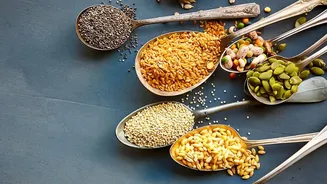
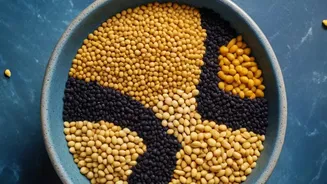
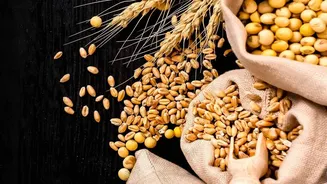
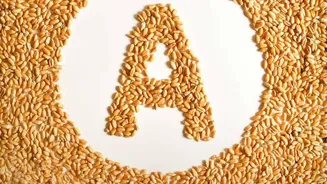
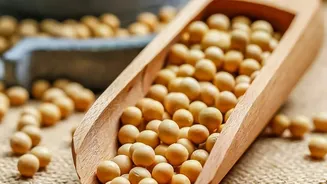
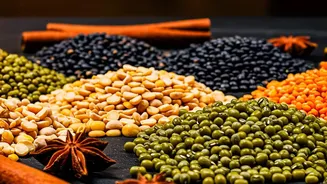
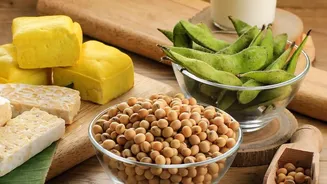
Two of the most important food groups in plant-based diets worldwide are cereal grains (like rice, wheat, and maize) and legumes (like lentils, chickpeas, and beans). On their own, each group has a nutritional gap. Cereal grains are generally low in the essential amino acid lysine. Legumes, on the other hand, are typically low in the essential amino acid methionine. If you were to build a diet exclusively around grains or exclusively around legumes, you would eventually run into a deficiency, as your body would lack all the necessary components to build its own proteins effectively. This is what nutritionists refer to as a 'limiting amino acid'—the essential amino acid present in the smallest quantity in a food, which limits the body's ability to use the other amino acids present.
The Power of Pairing: Mutual Supplementation
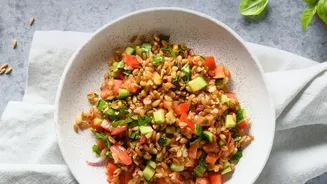
This is where the magic happens. The weakness of grains is the strength of legumes, and vice versa. Legumes are rich in lysine, the very amino acid that grains lack. Grains, meanwhile, are a good source of methionine, which legumes are low in. By combining them in a meal, they perfectly complement each other, with each food filling the other's nutritional gap. This process is known as protein complementarity or mutual supplementation. The result is a meal that provides a complete amino acid profile, effectively raising the overall protein quality score. Your body receives all nine essential building blocks it needs, creating a protein source that is comparable in quality to animal proteins.
Your Daily Meal Guide to Complete Proteins
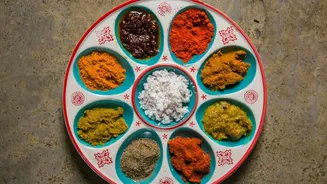
The best part is that this nutritional strategy is already a cornerstone of Indian cuisine, not as a complex scientific formula but as a matter of tradition and taste. You are likely already practising protein complementarity without even realising it. Some classic examples include: Dal and Rice (Chawal): Lentils (dal) provide the lysine that rice lacks, while rice supplies the methionine, making this humble comfort food a complete protein powerhouse. Roti and Chana Masala: The whole wheat in roti pairs perfectly with chickpeas (chana), creating a balanced amino acid profile. Rajma and Rice: This North Indian classic is another perfect example of pairing a legume (kidney beans) with a cereal grain (rice). Khichdi: Made from rice and moong dal, khichdi is arguably one of India's original one-pot complete-protein meals. Idli and Dosa: The fermented batter made from rice and urad dal combines a grain and a legume even before the dish is cooked.
Do They Need to Be in the Same Meal?
For a long time, it was believed that complementary proteins had to be eaten in the same meal to be effective. However, modern nutritional science has updated this view. Your body maintains a pool of free amino acids throughout the day. As long as you consume a variety of protein sources—such as having legumes for lunch and grains for dinner—your body can pull the necessary amino acids from this pool as needed. While pairing them in the same meal is a convenient and traditional way to ensure a complete profile, the key is overall dietary variety throughout the day. By focusing on a diet rich in different grains, lentils, beans, and vegetables, you naturally provide your body with all the building blocks it requires for optimal health.