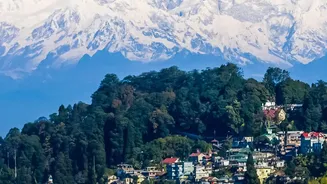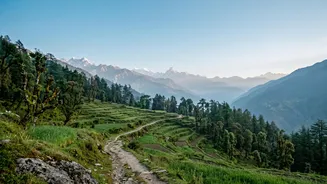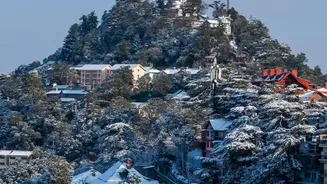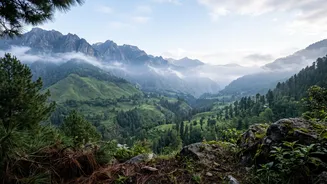


For decades, Manali has been the default answer for a perfect Himalayan getaway. But as its popularity soars, so do the traffic and the noise. This has many travellers wondering: what does a lesser-known hill station offer that Manali doesn't?
The Vibe: Energy vs Tranquillity
Manali operates
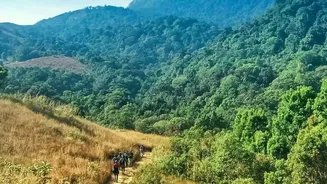
on a high-energy frequency. Its streets, especially Mall Road, are a constant buzz of activity with tourists, shops, and cafes creating a vibrant, bustling atmosphere. It's a place for socialising, people-watching, and soaking in a collective holiday spirit. This is perfect for first-time visitors or those who feed off a lively environment. In contrast, a lesser-known destination like Tirthan Valley or Kalpa offers tranquillity. The dominant sounds are the river, the wind in the pine forests, and birdsong. The vibe is slower, more personal, and introspective. Life in these places revolves around nature's clock, not a tourist agenda, offering a genuine escape from urban chaos. It’s less about 'doing' and more about 'being'.
The Crowd: A Sea of Faces vs Solitude
The secret about Manali has been out for a long time. During peak seasons, it experiences 'overtourism', with crowded attractions, packed hotels, and long traffic queues becoming the norm. This can sometimes detract from the peaceful mountain experience many seek. Lesser-known spots are, by definition, less crowded. You can often have a viewpoint to yourself or walk a forest trail without seeing another soul for hours. This solitude allows for a deeper connection with the landscape and local culture, which can feel more authentic and less performative than in heavily touristed areas. The interaction with locals is often more genuine, as you are seen less as a customer and more as a guest.
Activities: Commercial Fun vs Natural Immersion
Manali is an adventure hub with a well-developed infrastructure for commercial activities. You can easily book paragliding in Solang Valley, go river rafting, or explore a wide array of restaurants and shops. Everything is organised and accessible. Lesser-known hill stations offer a different kind of activity roster, one that is dictated by the natural surroundings. Entertainment here is simpler and more immersive: trekking through pristine forests, trout fishing in a clear river, discovering hidden waterfalls, or simply reading a book by the riverside. The focus shifts from adrenaline-pumping, ticketed experiences to quiet, personal adventures that cost little to nothing.
Accommodation: Resorts vs Homestays
Manali offers a vast spectrum of lodging, from luxury resorts and boutique hotels to countless guesthouses and backpacker hostels. This variety caters to every budget and travel style. Lesser-known destinations typically have fewer large hotels. Instead, the accommodation landscape is dominated by intimate homestays, eco_lodges, and traditional wooden cottages. Staying in these places often provides a more authentic experience, complete with home_cooked meals and direct interaction with the host family, offering insights into the local way of life that a hotel cannot match.
The Cost : Premium Prices vs Value for Money
The immense popularity of Manali means that prices for hotels, food, and transport can be inflated, especially during peak tourist season. While budget options exist, the overall cost can be significantly higher than in less_visited areas. Offbeat destinations generally offer better value for money. Accommodation and food are often more affordable, as the local economy isn't entirely dependent on a high_volume tourism model. This allows your budget to stretch further, potentially enabling a longer and more relaxed stay.
Accessibility : Convenience vs The Journey
One of Manali's biggest advantages is its accessibility. It's well_connected by road, and its infrastructure is robust, with plenty of ATMs, hospitals, and transportation options. Reaching a lesser_known hill station often requires more effort. The journey might involve longer drives on less predictable roads, and local amenities like high_speed internet or a wide variety of restaurants might be limited. However, for many, this journey is part of the appeal, filtering out casual tourists and rewarding those who make the effort with a more exclusive experience.