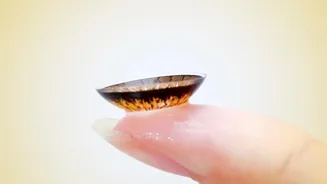







For millions of people, contact lenses are a part of daily life. But this convenience comes with a responsibility to follow strict hygiene rules, many of which are often overlooked, especially when it comes to water and case cleaning.
The Hidden Dangers in Water
It seems harmless
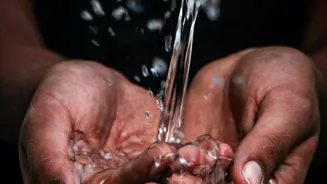
to rinse a lens with tap water or hop in the shower while wearing contacts, but water is the enemy of your lenses. Tap, lake, ocean, and even bottled water can contain a microscopic organism called Acanthamoeba. This amoeba is generally harmless if ingested, but if it gets trapped between a contact lens and your cornea, it can cause a severe, painful, and sight-threatening infection known as Acanthamoeba keratitis. The infection is difficult to treat and, in serious cases, can lead to permanent vision loss or the need for a corneal transplant. A contact lens creates the warm, moist, low-oxygen environment where these organisms can thrive. For this reason, major health organizations like the CDC and FDA state that contact lenses should never be exposed to any type of water.
Showering and Swimming: A Strict No
The rule against water exposure is absolute: do not shower, swim, or use a hot tub while wearing contact lenses. Chlorine in swimming pools does not effectively kill Acanthamoeba, and other bodies of water are even riskier. Beyond the microbial risk, water also physically affects soft contact lenses. Because tap water is less salty than your natural tears, a soft lens will absorb it like a sponge, causing it to swell and stick to the eye. This can be uncomfortable and may scratch the cornea, making it even easier for germs to cause an infection. If your lenses are accidentally exposed to water, you should remove them as soon as possible. If they are daily disposables, throw them away immediately. If they are reusable, they must be thoroughly cleaned and disinfected overnight before being worn again.
Your Lens Case: A Potential Hotbed for Germs
Proper lens hygiene extends to the case, which can become a breeding ground for bacteria if not cared for correctly. A common and dangerous mistake is rinsing the case with tap water. This introduces the very microorganisms you are trying to avoid. Another error is 'topping off' old solution with fresh solution, which dilutes the disinfecting power and fails to properly clean the lenses. Furthermore, storing a damp case by screwing the caps on traps moisture, creating a perfect incubator for bacterial biofilms—slimy layers of germs that are resistant to disinfection. This is why following a strict cleaning and drying protocol for your case every single day is non-negotiable.
The Correct Way to Clean and Dry Your Case
To keep your eyes safe, you must clean your lens case after every single use. The Centers for Disease Control and Prevention (CDC) provides clear guidelines. First, wash and thoroughly dry your hands. After putting in your contacts, discard all of the old solution from the case. Next, rub and rinse the case wells and caps with fresh, sterile contact lens solution—never water. After rinsing, wipe away any remaining liquid with a clean tissue and place the case and its caps upside down on another clean tissue to air-dry. Storing it in a low-humidity environment, like on a nightstand, is better than in the bathroom where airborne particles can contaminate it. Finally, even with perfect care, you should replace your contact lens case at least every three months.
When to See Your Eye Doctor
Practicing good hygiene dramatically reduces your risk of infection, but it's still important to recognize the warning signs. If you experience symptoms like severe eye pain (especially pain that seems worse than the visible redness), a feeling that something is in your eye, blurred vision, unusual redness, or sensitivity to light, remove your contact lenses immediately. Do not throw the lenses or the case away. Instead, contact your eye doctor right away and bring them to your appointment, as they can be tested to identify the cause of the problem. Early diagnosis and treatment are critical for preventing long-term complications.