




The AI Co-Pilot in Orbit
Artificial intelligence is becoming a cornerstone of India's space ambitions, with the Indian Space Research Organisation (ISRO) integrating it across missions. Think of it less as a sci-fi robot and more as a powerful analytical brain. AI and machine
learning are being developed to help design mission trajectories, monitor the health of rockets and satellites in real-time, and sift through the massive amounts of data sent back to Earth. For instance, AI-based imaging helped with terrain recognition during the successful Chandrayaan-3 moon mission. The goal is to make missions safer and more autonomous. More recently, the focus has shifted to processing data directly on the satellite using on-board AI. This "edge computing" in space allows for faster decision-making, which is critical for disaster management and national security surveillance, providing real-time information without the delay of sending data to ground stations first.
Quantum Leaps for Unhackable Links
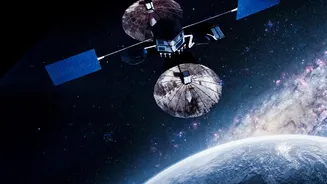
One of the most futuristic bets India is making is on quantum communication. The main draw is creating communication channels that are, in theory, unhackable. This technology relies on the principles of quantum physics to secure data, making it a high priority for military and sensitive government communications. ISRO has already made significant progress. In early 2022, scientists successfully demonstrated Quantum Key Distribution (QKD) over a 300-meter distance on the ground. This test of secure image and text transmission was a crucial stepping stone toward the ultimate goal: satellite-based quantum communication (SBQC). The plan, part of India's National Quantum Mission, is to establish secure communication links between ground stations and satellites, eventually creating a network that is highly resistant to interception. This would not only secure strategic communications but could also protect critical infrastructure like banking and financial markets from cyber threats.
A New Generation of Satellites
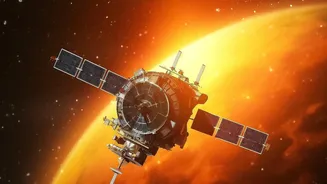
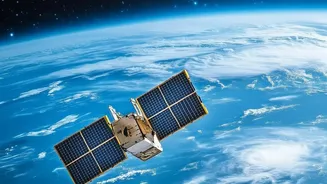
India's space program was built on the back of its workhorse satellites for communication and Earth observation. Now, the strategy is evolving. The Indian Space Policy of 2023 deliberately pushes ISRO to focus on research and development, while encouraging private companies to take over manufacturing and operational systems. This has spurred a new ecosystem of space startups. The future lies not just in launching more satellites, but in deploying more advanced and specialized systems. This includes developing constellations of small satellites, enhancing India's indigenous navigation system (NavIC), and building sophisticated surveillance capabilities. Private companies are developing next-generation Earth observation satellites that combine optical and radar imaging (OptoSAR) and using AI to provide data-as-a-service for everything from crop analytics to climate risk modeling. These advancements are designed to boost India's space economy, projected to grow significantly in the next decade, and solidify its role as a comprehensive space power.
What This Means for the Global Stage
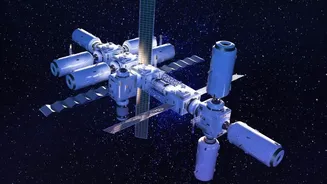
By investing heavily in these three specific areas, India is signaling its intent to be more than just a low-cost launch provider. These technologies are strategic assets that offer significant economic and national security advantages. The focus on AI-powered data processing, quantum-secured communications, and a privatized, dynamic satellite industry positions India as a key player in the 21st-century space race. This push has also made India an attractive partner for collaborative missions with agencies like NASA. As it develops these advanced capabilities, from docking technology for a future space station to next-generation launch vehicles, India is not just exploring space; it is shaping its future rules and power dynamics.