









The Kharif Clock Is Ticking
The arrival of the southwest monsoon triggers the most critical period in India's agricultural calendar: the Kharif sowing season. This is when farmers plant rain-fed crops that will be harvested from September onwards. For the districts surrounding Bengaluru,
this window is everything. After a delayed and weak start to the monsoon in June, recent showers have provided just enough soil moisture for farmers to begin sowing staples like ragi, pulses, and groundnuts. However, this is not a moment of leisurely activity; it is a high-stakes rush. The core sowing window typically closes by the third week of July. Any delay beyond this point can drastically reduce crop yields, affecting not just the farmers' income but the supply chains that feed Bengaluru's ten million residents.
A Patchy and Anxious Start
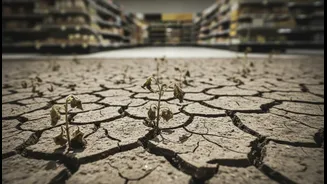
Despite the recent optimism, the situation on the ground is uneven. State-wide, Kharif sowing has been lagging significantly, trailing last year's pace. As of early July, sowing in Bengaluru Rural district was only at 24% of its normal coverage, with nearby districts like Kolar and Chikkaballapur also showing signs of stress. The problem lies in the erratic nature of the rainfall. Short, intense downpours are not as beneficial as steady, well-distributed showers that allow moisture to seep deep into the soil. Farmers are facing a tough choice: sow now and risk a subsequent dry spell, or wait for more consistent rain and risk missing the planting window altogether. This uncertainty has defined the start of the 2026 season, with many farmers anxiously watching the skies.
The Ripple Effect on City Kitchens
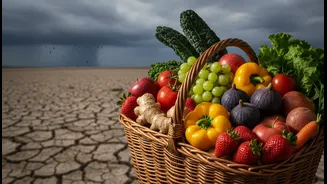
The activity in these fields has a direct line to the prices paid at Bengaluru's markets. A weak monsoon and poor Kharif season can quickly translate into higher food inflation. Vegetables, with their short growth cycles, are often the first to see price rises, sometimes within weeks of a rainfall deficit. Pulses and oilseeds, which are largely rain-fed, are also highly vulnerable. While the government maintains buffer stocks of staples like rice, these cannot fully shield consumers from price shocks in other essential commodities. For the average urban family, a poor harvest in the surrounding districts could mean spending hundreds or even thousands of rupees more on groceries each month. The success or failure of this planting window, therefore, has tangible consequences for every household budget in the city.
More Than Just Rain Is Needed
While rainfall is the primary driver, it's not the only challenge. Farmers are also grappling with other pressures that complicate the season. The cost of agricultural inputs like seeds and fertilisers remains a significant concern, alongside issues of their timely availability. Furthermore, weather forecasts for the rest of July predict below-average rainfall for Karnataka, which could threaten the survival of newly sown crops. This has prompted agricultural departments to advise farmers to consider shifting to short-duration or more resilient crops like millets. Even with government contingency plans in place, including seed reserves and advisories, the confluence of erratic weather and economic pressures makes this a particularly trying time for the agricultural community.