

More Than Just a Condiment
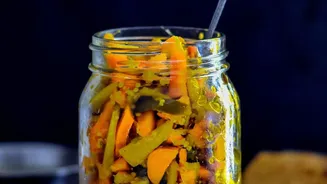
In India, pickles are far more than a simple side dish; they are an integral part of the culinary heritage, with recipes passed down through generations. The art of achaar was born from the necessity of preserving seasonal fruits and vegetables in a time
before refrigeration. The process traditionally relies on salt, oil, and sun to create an environment hostile to spoilage. But the true genius lies in the use of spices, which are selected not just for their taste but for their remarkable ability to keep the pickle safe and delicious for months, or even years.
The Science of Spice Preservation
The fundamental goal of pickling is to create an environment where spoilage-causing microbes cannot survive. Salt is the first line of defence, drawing out moisture from vegetables through osmosis. Oil, particularly mustard oil, creates an airtight barrier that prevents oxygen from reaching the ingredients. But spices add another crucial layer of protection. Many common pickling spices contain powerful antimicrobial and antibacterial compounds that actively inhibit the growth of bacteria and fungi, making them natural preservatives. This synergy of ingredients creates a robust system that ensures both longevity and incredible depth of flavour.
The Power Players of the Pickle Jar
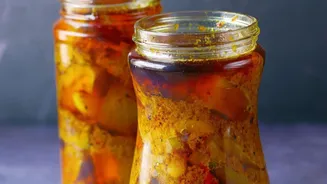
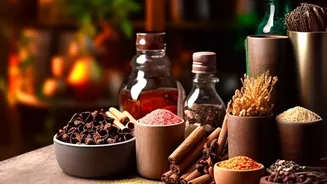
Each spice in an achaar masala is chosen for a specific role. Turmeric (haldi) provides its vibrant colour and earthy flavour, but its active compound, curcumin, is also a known antimicrobial. Mustard seeds (rai), a cornerstone of Indian pickles, are pungent and have antibacterial properties that help prevent spoilage. The slight bitterness of fenugreek seeds (methi) balances the other flavours, and they too contribute to preservation. Asafoetida (hing), when cooked in oil, lends a savoury, onion-like depth and possesses its own antimicrobial qualities that help extend shelf life. Finally, the capsaicin in red chilli powder not only provides heat but can also inhibit microbial growth.
Flavour and Function in Harmony
The brilliance of traditional pickling is that the elements that preserve the food are the very same ones that make it so delicious. The spices don't work in isolation; they create a complex, harmonious blend where flavour and function are inseparable. The sharp pungency of mustard, the earthy warmth of turmeric, the slight bitterness of fenugreek, and the fiery kick of chilli all meld together over time in the oil. As the pickle matures, these flavours deepen and integrate, creating a condiment that is far more than the sum of its parts. The process is a testament to a deep-rooted culinary wisdom that understood chemistry long before it was a formal science.