






Your Smartphone is Your Strongest Ally
The convenience of 10-minute grocery delivery from platforms like Blinkit, Zepto, and Swiggy Instamart is undeniable. However, when you receive bruised vegetables, a leaking packet of milk, or an expired product, the convenience can quickly turn into
frustration. In the fast-paced world of digital orders, the burden of proof often falls on you, the consumer. When customer service is handled by automated bots or overloaded support staff, clear, indisputable evidence is the fastest way to resolve a complaint and secure a refund. Your smartphone is the most powerful tool in this scenario. A few quick actions right after delivery can save you from a lengthy and often fruitless back-and-forth with customer support.
The Three Pillars of Proof
The headline says it all: photos, timestamps, and packaging are your holy trinity of evidence. Each element serves a distinct purpose. A photograph visually documents the problem—be it spoilage, damage, or an incorrect item. Timestamps, which are automatically embedded in your photos and app screenshots, create a timeline that proves when the product was delivered and when the issue was identified. Finally, the packaging contains critical information that platforms and regulators use for traceability, such as batch numbers and expiry dates. Forgetting even one of these can weaken your claim, especially for food safety concerns.
How to Take a Useful Photo
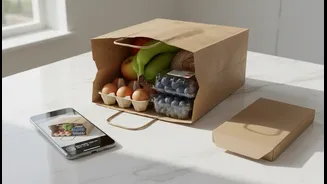
Not all photos are created equal. A single, blurry shot of a rotten tomato might not be enough. To build a strong case, think like an investigator. First, take a clear, well-lit photo of the problematic item itself. Second, take a wider shot showing the item next to its original packaging and the delivery bag. This connects the faulty product to your specific order. Most importantly, capture a close-up of the expiry date or manufacturing and batch number on the packaging. This is crucial evidence, as it allows the company to trace the product back to its specific production run, which is essential for identifying wider quality control failures. These few extra seconds can make the difference between an instant refund and a rejected claim.
Why Timestamps and Packaging Matter
A timestamp proves you acted quickly. Quick-commerce platforms have strict, often narrow, windows for reporting issues. By taking a screenshot of your order confirmation and the delivery time within the app, you establish a clear record. This, combined with the timestamp on your photos, proves the issue was present upon arrival and not a result of improper storage on your end. The packaging is just as vital. Do not throw it away immediately, especially if you have a concern. The Consumer Protection Act and FSSAI regulations require batch numbers on food products for a reason: traceability. If you report a spoiled product, the batch number is the key piece of information that helps identify if an entire batch is faulty, potentially preventing others from receiving unsafe food. When you provide this number, your complaint shifts from a simple refund request to a valid food safety concern, which companies are often compelled to take more seriously.
Putting Your Evidence into Action
So, you’ve received a bad order and collected your evidence. What next? The first step is to use the app's designated help or support section. When you initiate a complaint, you will typically be prompted to upload photos. Provide all the clear images you took. In the description, be concise and factual. For example: "Received rotten tomatoes in Order #12345, delivered at 7:15 PM. Photos attached showing the condition upon opening. Batch number is XYZ." If the platform’s refund policy offers store credit by default, know your rights. The Consumer Protection (E-Commerce) Rules, 2020, entitle you to a refund in your original mode of payment. If the automated chat doesn't offer this, you may need to escalate the complaint. Having a complete set of evidence from the outset makes any escalation, whether to a human supervisor or a consumer helpline, much more effective.