





An Infrastructure Push for Wildlife Tourism
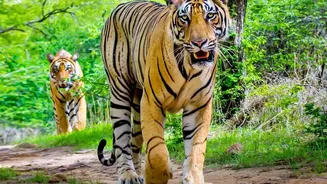
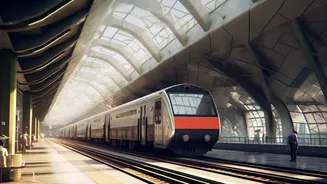
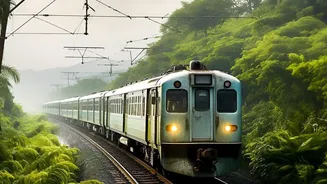
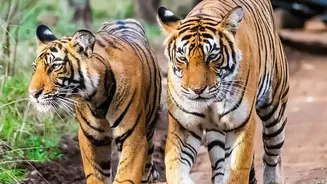
Central India, the heartland of the country's tiger population, is becoming significantly easier and cheaper to visit for wildlife enthusiasts. Thanks to Indian Railways' focus on enhancing connectivity under initiatives like the PM Gati Shakti National
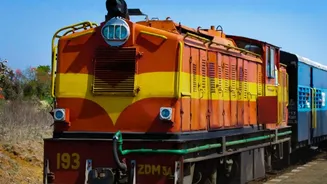
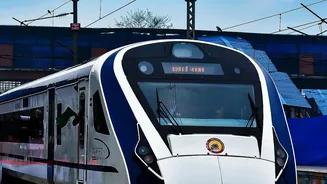
Master Plan, several key projects are directly improving access to once-remote national parks. These developments involve converting narrow-gauge lines to broad-gauge, doubling tracks on busy routes, and laying entirely new lines. The result is not just faster and more reliable train services, but also the emergence of new, closer railway stations to major park entrances. This shift dramatically cuts down on the final, and often most expensive, leg of the journey: the long taxi ride from a distant station to a jungle lodge. For budget-conscious travellers, this is a game-changer.
Satpura: Closer Access to a Hidden Gem
Satpura National Park, known for its rugged terrain and unique walking safaris, has historically been reached via distant stations like Bhopal or Itarsi, requiring a subsequent road journey of several hours. However, recent upgrades and a focus on multi-tracking projects in the region are improving access. The Itarsi-Nagpur route, which skirts the park, is being upgraded with a third and fourth line, a move officially noted to boost tourism to Satpura Tiger Reserve. While major hubs like Bhopal (150 km) remain key entry points, the improved connectivity to closer stations like Pipariya (around 40-55 km from the main Madhai gate) and Sohagpur (20 km) makes the final leg of the journey much shorter and more affordable. Travellers can now take a train to Pipariya and hire a much cheaper local taxi for the final hour, instead of a pricey four-hour cab from Bhopal.
Panna: New Lines to the Land of the Tiger
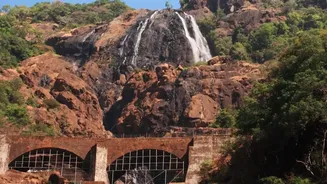
Panna National Park, famous for its dramatic gorges and successful tiger reintroduction program, is a major beneficiary of the new Lalitpur-Singrauli rail project. While Khajuraho has a station just 22 km away, its connectivity is limited. Many travellers have traditionally relied on Satna (90 km) or Jhansi (180 km), followed by a long and costly taxi ride. The new line construction between Khajuraho, Panna, and Satna is set to revolutionize access. A key development is the approval of a chord line between Karhi and Sagma in May 2025, which will connect the new Lalitpur-Singrauli line with the main Itarsi-Manikpur line, allowing direct train access to the Panna region without a time-consuming engine reversal at Satna. This will make reaching Panna by rail a far more direct and economical option.
Kanha and Pench: The Jabalpur-Gondia Advantage
The conversion and doubling of the Jabalpur-Gondia line is another critical upgrade improving access to two of India's most iconic tiger reserves: Kanha and Pench. This project, part of a broader capacity enhancement, was specifically highlighted in February 2026 for its role in opening up better connectivity to these parks. Previously, travellers would often fly into Jabalpur or Nagpur and face a drive of three to four hours. The upgraded rail line, which passes through the crucial Kanha-Pench wildlife corridor, provides more efficient travel to stations like Nainpur and Balaghat. From these stations, the road journey to the respective park gates is significantly shorter, reducing dependency on expensive long-haul taxis from major cities and putting these world-class wildlife experiences within easier reach of train travellers.
Planning Your Budget-Friendly Safari
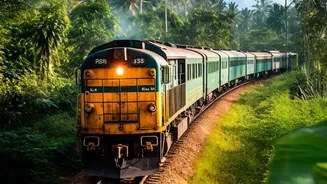
To take advantage of these new connections, planning is key. First, identify the park you wish to visit and then research the nearest operational railway station. Use the IRCTC website to check for direct or connecting trains to stations like Pipariya (for Satpura), Khajuraho or the upcoming stations on the Satna-Panna line, and Nainpur or Balaghat (for Kanha/Pench). Booking train tickets well in advance, especially during peak season (October to April), is crucial. Once you arrive, pre-paid taxi booths at the station can be a reliable option, or you can arrange a pickup with your resort. By swapping a flight and a long taxi ride for a comfortable and scenic train journey, you can save a significant amount, making that dream of seeing a tiger in the wild a much more affordable reality.