


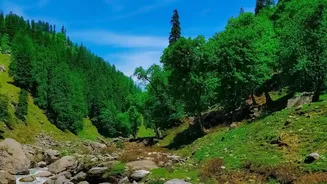
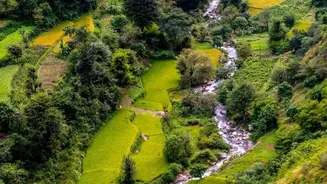
Why Embrace the Monsoon in the Hills?
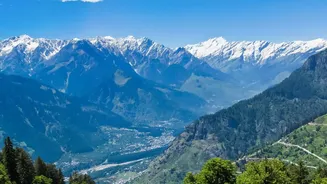
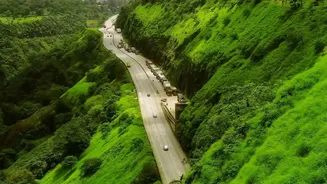
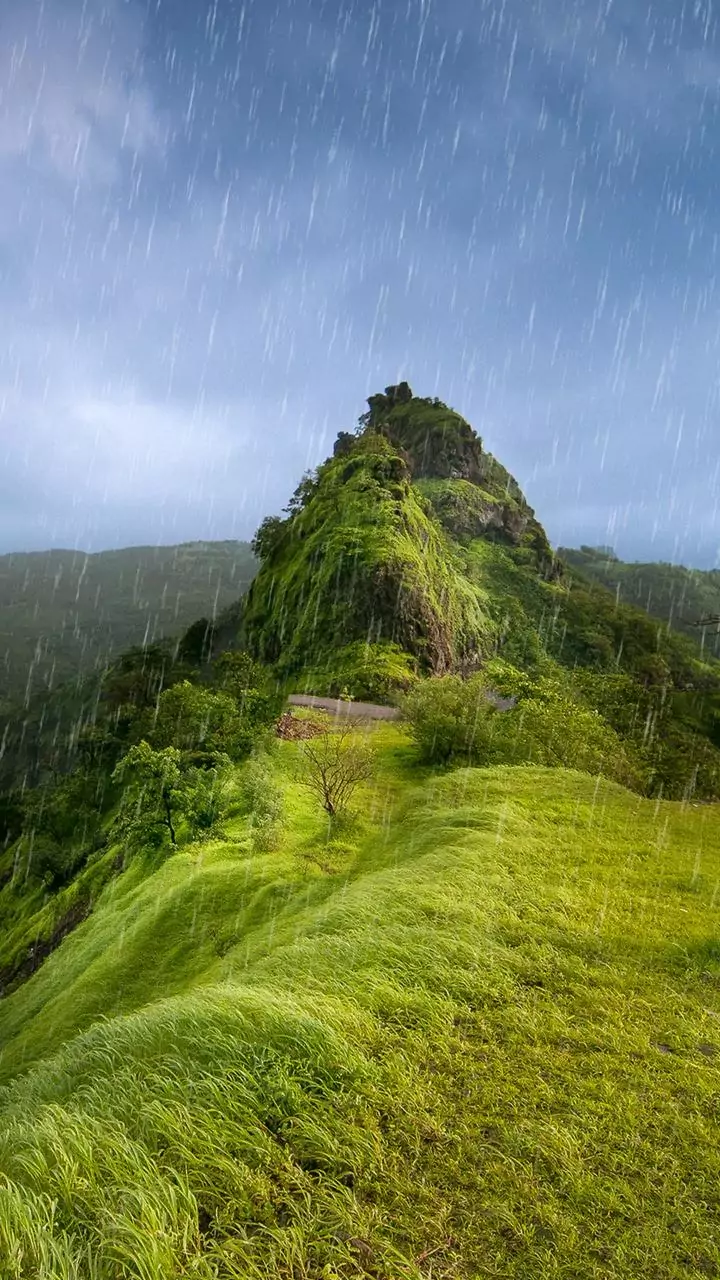
Many travellers avoid the Himalayas during monsoon, fearing rain and landslides. While caution is necessary, the season also unveils a unique, tranquil beauty often missed during peak tourist months. July to September transforms the valleys into a vibrant
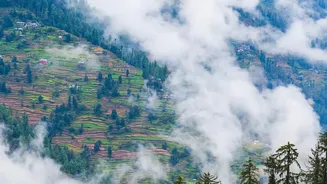
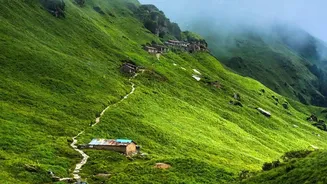
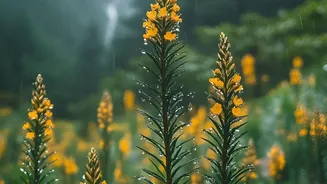
green paradise. Waterfalls, usually gentle streams, become powerful cascades, and the rivers flow with a mesmerising force. With fewer tourists, you experience a quieter, more authentic side of Himachal. The air is crisp and clean, carrying the scent of pine, and the lush forests feel intensely alive. It’s a time for slow travel—for reading a book by a window, sipping hot tea, and watching clouds drift across the mountains.
Shoja: A Mist-Covered Hamlet
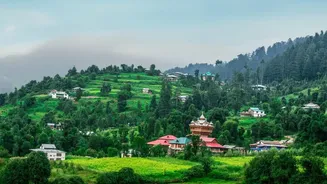
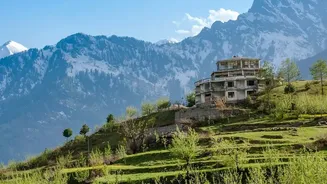
Perched at an altitude of about 2,700 metres, Shoja is a tiny, peaceful village located just below the Jalori Pass. Quieter and higher than its more famous neighbour, Jibhi, Shoja is for those who seek silence and solitude. The village is essentially a cluster of traditional stone and timber homes, a few homestays, and dense deodar forests on all sides. During monsoon, the entire hamlet is often enveloped in a dramatic mist, creating a mystical atmosphere. The main draw here is the proximity to Jalori Pass, the gateway to treks like Serolsar Lake and Raghupur Fort. However, these high-altitude treks can be slippery and are often inaccessible during heavy rains, so it's wise to check conditions locally.
Tirthan Valley: A Riverside Paradise
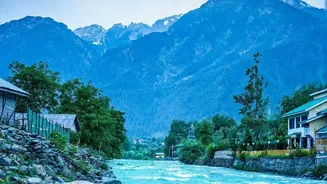
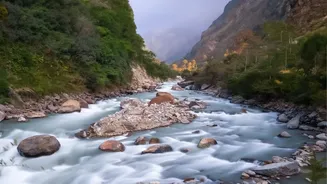
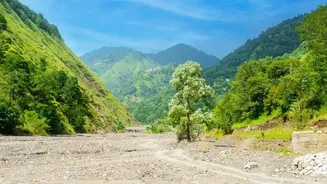
A short drive down from Shoja lies the expansive Tirthan Valley, named after the pristine river that flows through it. As part of the buffer zone for the Great Himalayan National Park, a UNESCO World Heritage Site, the valley is a haven for nature lovers. In the monsoon, the Tirthan River is a powerful presence, its sound a constant backdrop to your stay. While the main tourist season is summer, the rainy months offer a chance to see the valley in its lushest form. It’s an ideal time for short village walks, exploring the local culture in hamlets like Gushaini and Nagini, and simply relaxing in a cottage overlooking the river.
Finding Your Serene Green Stay
The soul of a monsoon trip to this region lies in its stays. Both Shoja and Tirthan are dotted with charming homestays and wooden cottages that offer an intimate connection with nature. Look for properties built in the traditional Kath Kuni style, featuring intricate woodwork and stone. Many of the best stays are family-run, providing warm hospitality and delicious, home-cooked Himachali food that tastes even better in the cool, rainy weather. When booking, prioritise places with large windows or covered balconies—these become your private viewing decks to watch the rain and mist. A well-built homestay ensures you can enjoy the downpours without discomfort, offering a dry, cosy refuge after a walk in the woods.
Monsoon Activities: Slow and Soulful
A monsoon itinerary here is less about ticking off sights and more about soaking in the atmosphere. When the rain subsides, embark on short, gentle walks through the forest. The trails are muddy, so good grip footwear is essential. Explore nearby waterfalls like the one near Jibhi, which are at their most spectacular during this season. Birdwatching is another rewarding activity, as the forests are alive with avian sounds. For the rest of the time, embrace doing nothing. Engage in conversations with your hosts, learn about local life, try your hand at cooking Himachali dishes like Siddu, or simply get lost in a good book.
Practical Tips for a Safe Monsoon Trip
Travelling to the mountains in monsoon requires planning and flexibility. Landslides are a real risk, and roads, particularly the stretch between Mandi and Aut, can face closures. Always check the latest weather forecasts and road conditions before and during your journey. It's best to call your hotel or homestay on the morning of your travel for real-time local updates. Pack waterproof jackets, quick-drying clothes, and sturdy, waterproof footwear. Avoid driving after dark and build buffer days into your itinerary in case of delays. While treks to high-altitude passes like Jalori might be off the table, the beauty of the valleys below offers more than enough to make the trip worthwhile.