





Why Low-Impact Exercise Is Key
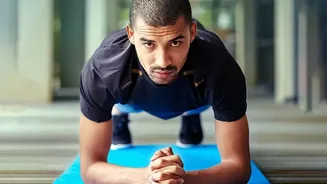
Low-impact exercise is any activity that minimizes stress and jarring forces on your joints. Unlike running or jumping, these movements ensure at least one foot is on the ground or that your body is supported by equipment or water. This approach is ideal
for beginners, individuals with arthritis or joint pain, and anyone recovering from an injury. The benefits are significant: you can build strength, improve cardiovascular health, and increase flexibility with a much lower risk of strain or injury. By reducing pressure on the knees, hips, and ankles, you can build a consistent and enjoyable fitness habit without the painful setbacks.
The Gentle Power of Walking
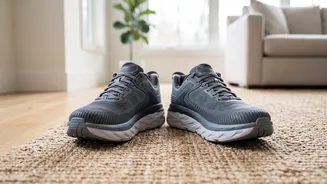
Walking is perhaps the most accessible form of exercise. It's free, can be done almost anywhere, and requires no special equipment beyond a pair of supportive shoes. Despite its simplicity, walking is a powerful tool for joint health. It's a weight-bearing activity, which helps improve bone density and strengthen the muscles that support your joints, including the knees and hips. This increased muscle strength helps transfer pressure away from the joints themselves. Regular walking also improves circulation, which helps nourish joint cartilage, and lubricates the joints to reduce stiffness and improve mobility.
Getting Started with Walking
The key to starting a walking routine is to begin slowly. If you've been inactive, a 10-minute walk is a perfect start. You can gradually increase your time and distance as you feel more comfortable. Focus on good posture: walk tall with your head up, shoulders relaxed, and abdominal muscles engaged. Swing your arms to help with momentum and try to land on your heel and roll through your foot to push off with your toes. To keep things interesting, try different routes or listen to a podcast. The most important thing is consistency; making it a daily habit is more beneficial than one long walk per week.
The Full_Body Support of Swimming
Swimming offers a unique, nearly weightless environment for exercise. Water's natural buoyancy supports up to 90% of your body weight, which dramatically reduces stress and pressure on your joints. This makes it an exceptional choice for people with moderate to severe joint pain or arthritis. The water provides gentle resistance, which helps strengthen muscles across your entire body—legs, core, and arms—without impact. This improved muscle strength provides better stability for your joints. Furthermore, swimming can improve flexibility and range of motion, as the water allows you to move your body in ways that might be difficult on land.
Getting Started in the Water
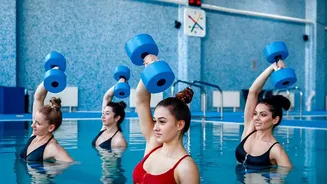
If you're new to swimming for fitness, start with short sessions of 20–30 minutes, two to three times a week. Don't worry about speed; focus on your form and consistency. Many beginners find that freestyle and backstroke are gentler on the knees than breaststroke. If you're not a confident swimmer, water aerobics or even just walking in chest–deep water are fantastic alternatives. Water walking provides many of the same benefits, reducing joint load while strengthening muscles. Using a kickboard or a pool noodle can also help you get comfortable while you build endurance.
Walking vs. Swimming: Which Is for You?
The best exercise is the one you enjoy and will stick with. Walking is a weight–bearing exercise, which is excellent for building bone density, while swimming is non–weight–bearing, making it superior for offloading painful joints. If your primary goal is to protect severely arthritic joints, swimming might be the better initial choice. If your goal is to build bone strength and you have access to safe, comfortable walking paths, walking is an outstanding option. Many people find a combination of both works best: walking on days when joints feel good and swimming on days when you need extra support.