





The Current Rush Hour Experience
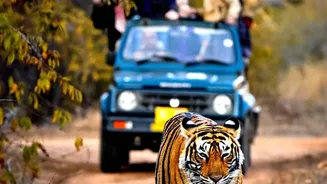
Across India's premier national parks, the rhythm is largely the same. A few hours of safari in the morning, another few in the afternoon, and then the gates close. This structure, while necessary for regulation, can turn a visit to the wild into a frantic,
checklist-driven chase. The pressure to spot the main attraction—usually a tiger or leopard—in a limited window often overshadows the subtle, complex beauty of the ecosystem. The forest is treated like a stadium that opens only for the main match, leaving the rich pre-game and post-game shows completely unseen by visitors.
A Different World Awakens After Dark
When the sun sets and the safari jeeps return to their hotels, the forest transforms. A whole new cast of characters emerges, and the soundscape shifts from birdsong to the chirps, croaks, and rustles of nocturnal life. This is a world that most tourists completely miss. Imagine guided night walks along safe, designated buffer zone trails, where the focus is not on big predators but on the smaller, equally fascinating creatures of the dark. In places like Jim Corbett, this could mean spotting owls, nightjars, and maybe even a shy fishing cat or an elusive civet. These low-impact walks, led by trained local naturalists, would offer a sensory experience—listening to the forest's nocturnal orchestra and learning to identify animals by their calls and movements in the shadows.
Beyond the Tiger: Appreciating the Entire Ecosystem
Expanding activities beyond the jeep safari helps shift the tourist mindset from 'tiger-centric' to 'ecosystem-centric'. It encourages a deeper appreciation for the entire web of life. A pre-monsoon firefly trail, like those in the Western Ghats, can be a breathtaking spectacle of natural light. Guided insect and reptile walks can reveal the vibrant, miniature world of colourful bugs and camouflaged frogs that form the foundation of the forest food chain. Furthermore, many of our national parks are far from city lights, making them ideal locations for astrotourism. Parks like Pench and Satpura are already exploring this, offering visitors a chance to marvel at the star-filled sky, a sight increasingly rare for urban dwellers. These experiences are not only educational but profoundly humbling.
A Win for Conservation and Communities
This isn't just about providing more options for tourists; it's a strategic move for sustainable ecotourism. By creating new experiences, we create new, specialized jobs for local guides and naturalists, ensuring that more tourism revenue stays within the community. This, in turn, gives local populations a greater economic stake in the preservation of their natural heritage. When communities benefit directly from a thriving, intact forest, they become its most passionate defenders. The revenue generated from these niche, well-regulated activities can be funnelled back into conservation efforts, funding everything from anti-poaching patrols to habitat restoration. It diversifies the park's tourism portfolio, making it more resilient and less dependent on a single attraction.
The Blueprint for Responsible Expansion
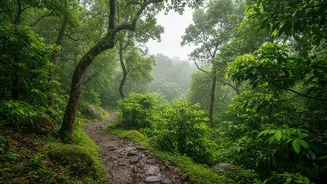
Of course, any expansion of activity must be done with extreme care. The core, inviolate zones of the parks should remain protected. New experiences like night walks or astronomy sessions should be restricted to buffer zones or specific, well-monitored trails to avoid disturbing wildlife. We can look to models where this is already working. Parks like Satpura in Madhya Pradesh have successfully pioneered night safaris in their buffer areas, offering glimpses of nocturnal species like sloth bears and flying squirrels. Similarly, private reserves and community-led initiatives in the Western Ghats have shown that guided nature trails can be both popular and ecologically responsible. The key is strict regulation, mandatory trained guides, small group sizes, and a clear focus on education over simple thrills.