




What is the Proposed Offer?
In a significant move to bolster tourism and strengthen regional ties, Indian Prime Minister Narendra Modi has proposed offering free electronic tourist visas to travellers from all 11 member countries of the Association of Southeast Asian Nations (ASEAN).
The announcement was made at the 23rd India-ASEAN Summit in Manila on November 17, 2026. This initiative aims to remove the cost barrier associated with visa applications, making India a more attractive and accessible destination for millions of potential tourists in the region. While it's a proposal and not yet an active policy, it represents a clear step towards simplifying travel as part of India's 'Act East' policy.
Who is Eligible?
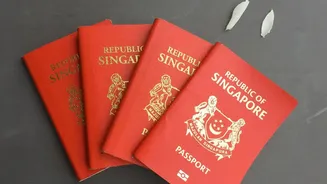
The proposal, if implemented, would cover citizens from all 11 ASEAN member states. This includes Brunei, Cambodia, Indonesia, Laos, Malaysia, Myanmar, the Philippines, Singapore, Thailand, Timor-Leste, and Vietnam. It's important to note that this move essentially harmonises and expands an existing policy. Currently, citizens from five ASEAN countries—Indonesia, Malaysia, Myanmar, the Philippines, and Thailand—already enjoy a waiver on the fee for a 30-day e-tourist visa. The new proposal would extend this benefit to the remaining six nations: Brunei, Cambodia, Laos, Singapore, Timor-Leste, and Vietnam, creating a uniform policy across the entire bloc.
Free E-Visa vs. Visa-Free Travel
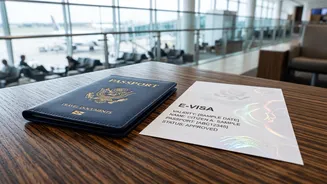
It is crucial to understand the difference between a free e-visa and visa-free travel. A free e-visa means that the government waives the application fee, but travellers still need to go through the online application process. You will still have to fill out the form, upload the required documents, and receive an official Electronic Travel Authorization (ETA) before you can travel. Visa-free travel, on the other hand, means you can enter a country with just your passport, without any prior visa application. This proposal is for a fee waiver, not visa-free entry.
How to Apply (When Available)
While the implementation date has not been announced, the application process is expected to follow the existing e-visa system. Travellers will need to visit the official Government of India e-visa portal. The process generally involves filling out an online application form with personal and passport details, uploading a recent passport-style photograph and a scanned copy of the passport's information page, and submitting it for approval. Once approved, the Electronic Travel Authorization (ETA) is sent via email, which must be printed and presented upon arrival in India. Travellers should always use the official government website to avoid unofficial third-party sites that may charge extra fees.
Why Is India Making This Move?
This initiative is part of a broader strategy to boost India's tourism sector and deepen its relationship with ASEAN nations. After a dip in foreign arrivals post-2019, India has set ambitious tourism targets, including a 'Visit India 2027' campaign and a long-term goal of 100 million visitors by 2047. By removing visa fees, India makes itself more competitive with other destinations in the region that offer visa-free or visa-on-arrival facilities. The move is expected to not only increase tourist numbers and spending but also foster greater people-to-people connections and cultural exchange, which are key pillars of the country's foreign policy in the region.