







What Exactly Are Ultra-Processed Foods?
The term 'ultra-processed food' (UPF) can feel confusing. It’s not just any food that comes in a packet. The most widely used definition, the NOVA classification system, groups foods by their level of industrial processing. Unprocessed or minimally processed foods are
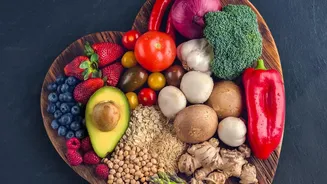
things like fresh fruits, vegetables, grains, and plain meat. Processed foods have been altered but are still recognizable, like canned beans or salted nuts. Ultra-processed foods, however, are industrial formulations. They are typically made from substances extracted from foods (like fats, starches, and sugars) and often contain additives like artificial flavours, colours, and emulsifiers to make them highly palatable and long-lasting. Think of instant noodles, mass-produced packaged breads and buns, sugary breakfast cereals, frozen meals, and most packaged snacks and sweets. These items dominate supermarket shelves and, for many, form a significant part of the daily diet.
The Alarming New Evidence
Recent studies have moved beyond simply calling UPFs 'junk food' and are now linking them to a host of specific, severe health outcomes. Research presented and published in recent months paints a concerning picture. Multiple large-scale observational studies connect high consumption of UPFs with an increased risk for cardiovascular disease, type 2 diabetes, certain cancers, and even premature death. One recent study suggested that for every 10% increase in calories from UPFs, there is a corresponding rise in negative health markers, including higher body weight, blood pressure, and worse blood sugar control. Another Canadian modelling study presented at the International Congress on Obesity suggested that a significant percentage of heart disease cases and deaths could be attributable to UPF consumption, reinforcing the need for public health interventions. This growing mountain of evidence is making it difficult for health authorities to ignore the potential harm.
It's Not Just About Sugar and Fat
For years, the debate centered on whether UPFs were unhealthy simply because they are often high in sugar, salt, and unhealthy fats. However, new findings suggest the processing itself plays a distinct role. Researchers point to several potential mechanisms. The industrial manufacturing process can strip away beneficial nutrients and fibre, and alter the food's physical structure, which may lead us to eat more and absorb calories faster. Furthermore, the cocktail of additives—emulsifiers, thickeners, and artificial sweeteners—could disrupt the gut microbiome, promote chronic inflammation, and interfere with the body's natural appetite-regulating hormones. Some studies even suggest that chemicals from packaging can leach into the food, adding another layer of risk. This implies that even a 'reformulated' UPF with less sugar might still pose health problems due to its inherent nature.
From Lab to Larder: Changing Nutrition Advice
Scientific findings do not instantly become public policy. Nutrition guidelines are updated slowly, based on a comprehensive review of all available evidence. However, the sheer volume and consistency of recent UPF research is creating undeniable momentum. Health bodies like the World Health Organization (WHO) are paying close attention, with some experts calling for policies that specifically target UPFs, not just nutrients like sugar and salt. This could mean future dietary guidelines explicitly recommend limiting foods based on their level of processing. For consumers in India, where the consumption of UPFs is rising rapidly alongside rates of obesity and diabetes, this shift is particularly relevant. Future advice may move away from a narrow focus on calories and fat percentages towards a simpler, more holistic message: prioritise fresh and minimally processed foods.