


More Than a Kingdom, A Philosophy
Nestled in the Eastern Himalayas, the Kingdom of Bhutan has deliberately chosen a path less travelled. While other nations chase economic growth at all costs, Bhutan has famously prioritised ‘Gross National Happiness’ (GNH) over Gross Domestic Product
(GDP). This isn't just a catchy slogan; it's a state policy that shapes every aspect of life, from environmental conservation to cultural preservation and, crucially, tourism. The result is a travel experience that feels less like a transaction and more like a privilege, offering a profound sense of peace and connection that is increasingly rare in our hyper-connected world.
The World's Only Carbon-Negative Country
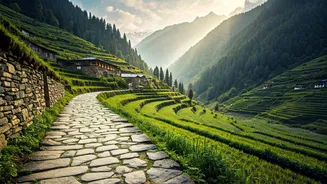
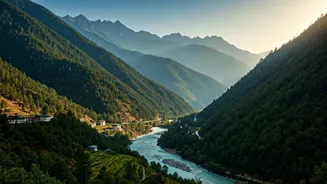
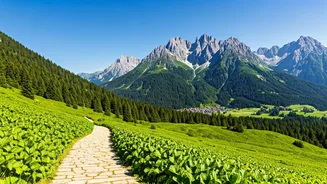
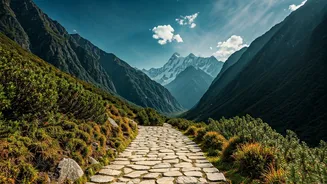
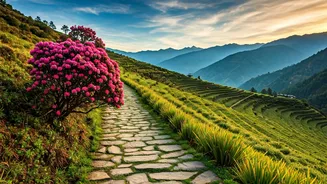
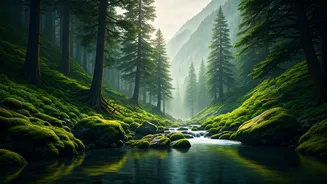
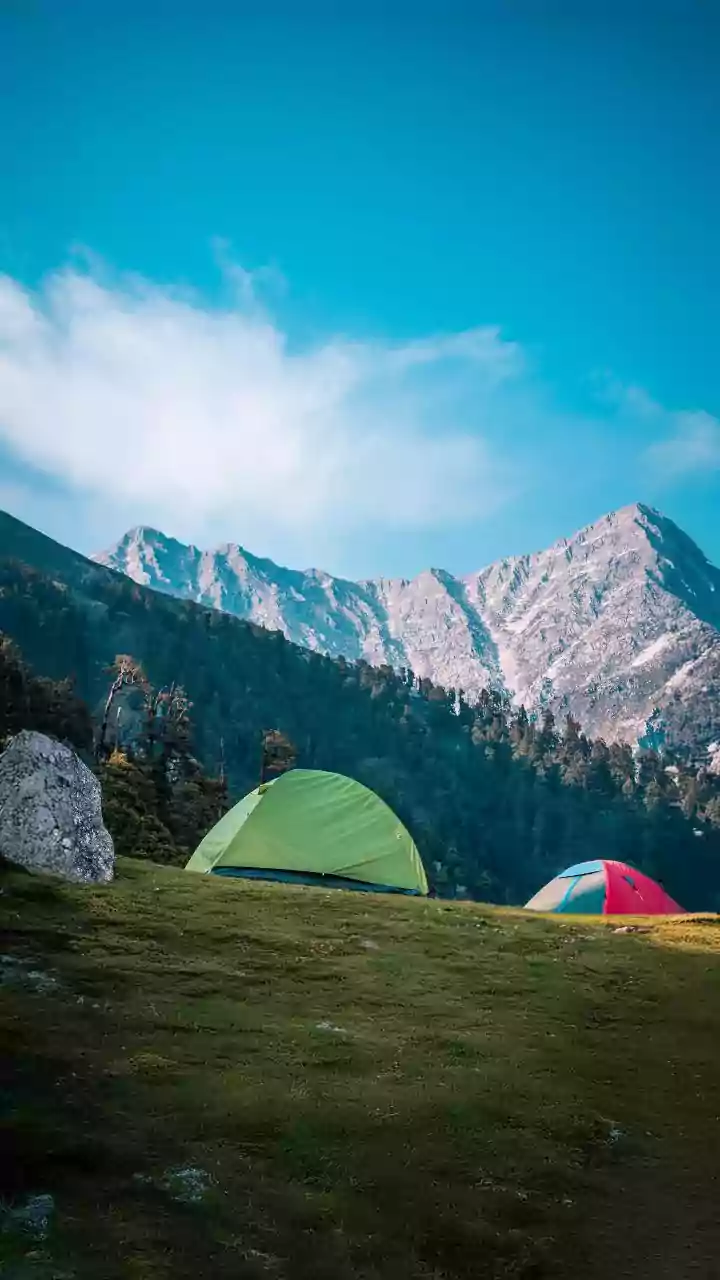
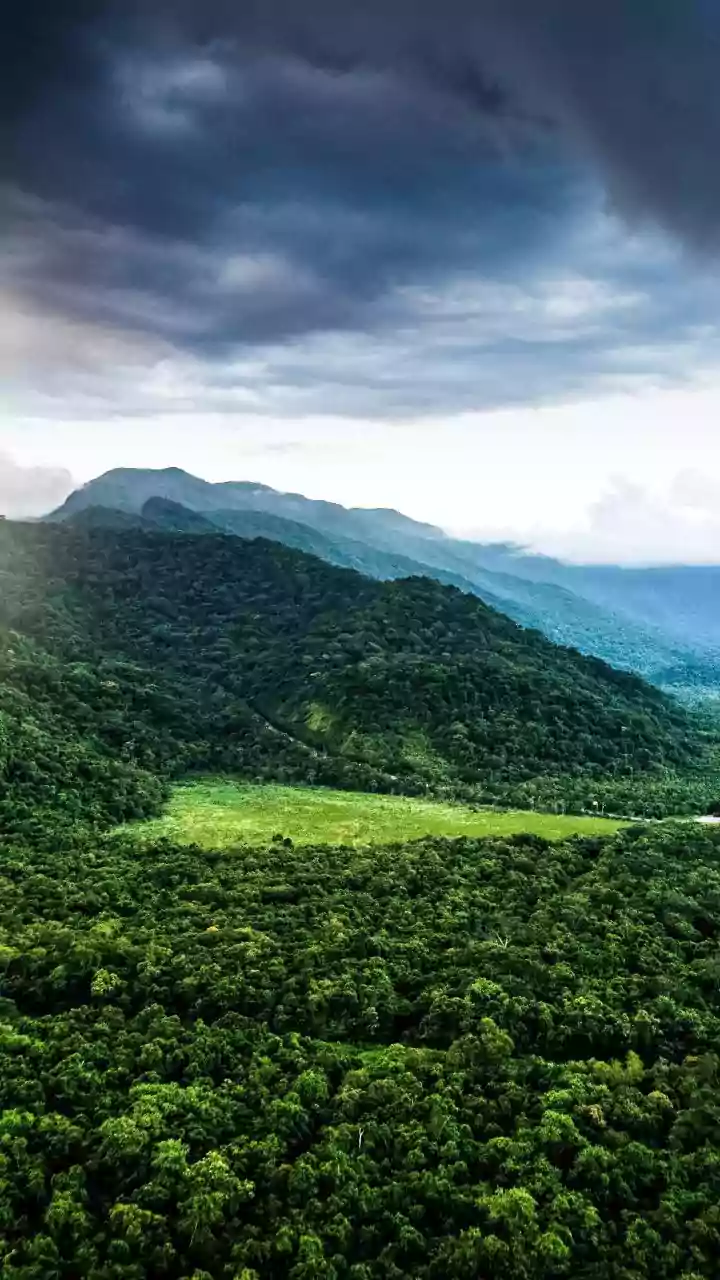
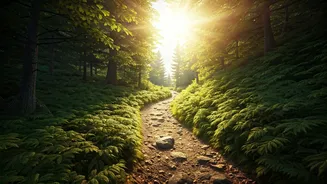
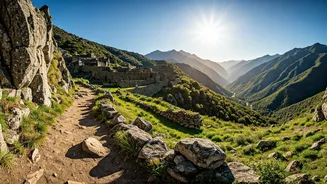
Bhutan’s commitment to sustainability is written into its constitution, which mandates that a minimum of 60% of the country's land must remain under forest cover for all time. Today, that figure stands at over 70%. This vast, protected forest acts as a giant carbon sink, absorbing millions of tonnes of carbon dioxide each year. This allows Bhutan to hold the remarkable title of the world's only carbon-negative country. For a visitor, this translates into breathing some of the cleanest air on the planet and trekking through pristine, untouched landscapes where nature remains the dominant force. From the rhododendron forests of Phobjikha Valley to the soaring peaks that cradle the iconic Tiger’s Nest Monastery, the environment is not just a backdrop; it is the main character.
High Value, Low Volume Tourism
For decades, Bhutan has operated on a 'High Value, Low Volume' tourism policy. This is enforced through a daily Sustainable Development Fee (SDF) paid by all visitors. While this might seem like a steep entry cost, it's a direct investment in the nation’s future. The fee funds Bhutan's free healthcare and education systems, supports infrastructure projects, and finances the conservation efforts that keep the country pristine. It’s a visionary model that ensures tourism gives back more than it takes. Recently, the fee was revised to make it more accessible, but the core principle remains: every visitor contributes directly to the well-being of the land and its people, ensuring that your trip has a positive, tangible impact.
A Culture Preserved, Not Performed
The low-volume approach has another incredible benefit: the preservation of authentic culture. You won't find contrived tourist traps or cultural shows staged for visitors. Instead, you'll encounter a living, breathing culture that is woven into the fabric of daily life. You'll see locals wearing their traditional dress—the 'Gho' for men and 'Kira' for women—not as a costume, but as their everyday attire. You can witness vibrant 'Tsechu' (festivals) that are genuine community celebrations, not performances. The country's unique architectural style, with its intricate woodwork and colourful motifs, is mandated for all new buildings, preserving the visual harmony of the towns and villages. It's an immersion into a culture that has been mindfully protected from the diluting effects of mass tourism.
Finding Your Sanctuary
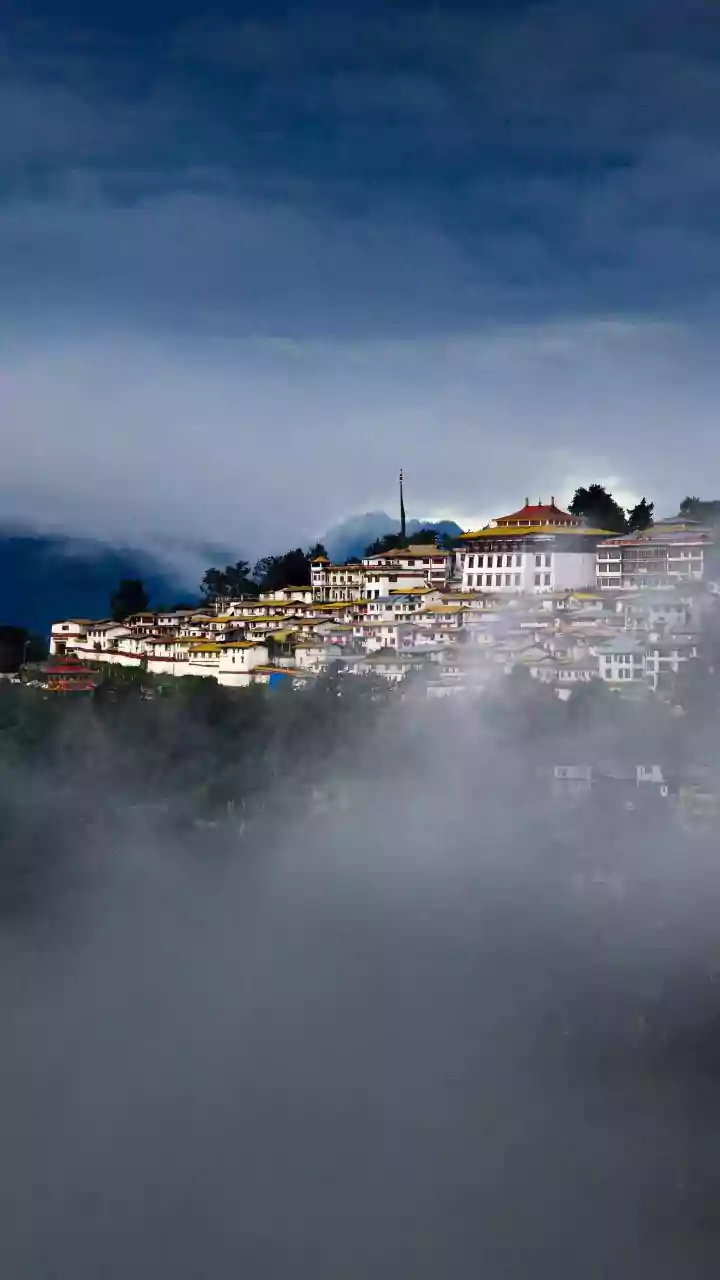
A trip to Bhutan is an invitation to slow down. With no billboards, traffic lights only in the capital, and a national reverence for mindfulness, the country offers a mental and spiritual reset. It’s a place for long hikes in silent forests, for quiet contemplation in centuries-old monasteries (dzongs), and for genuine conversations with warm, welcoming people. Whether you're exploring the bustling weekend market in Thimphu, learning the art of archery, or simply sipping butter tea while overlooking a serene valley, Bhutan provides a space to disconnect from the noise and reconnect with yourself. It’s an active, engaging form of peace—a true sanctuary.