






Fabric is Everything: Choose Your Materials Wisely
The single most important decision for a functional monsoon wardrobe is fabric. Heavy materials that absorb and retain water, like thick denim and pure, heavy cotton, are your worst enemies. Instead, prioritise fabrics that are breathable and dry quickly.
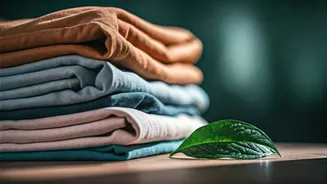
[6, 19] Polyester blends, for instance, are water-resistant and maintain their shape even when damp. [8, 9] Rayon and viscose are excellent choices as they are lightweight, feel cool against the skin in high humidity, and don't cling. [9, 10, 19] Similarly, georgette and crepe are fantastic options, especially for dresses and kurtas, as they are flowy and manage moisture well. [6, 10] While pure cotton is breathable, it can get soggy; opt for cotton blends with synthetics like polyester to get the best of both comfort and quick-drying properties. [8, 10]
Rethink Your Silhouettes: Go Shorter and Looser
Long hemlines that drag through puddles are a classic monsoon fashion disaster. To stay comfortable and clean, consider shorter lengths. Cropped pants, culottes, ankle-length trousers, and knee-length skirts or dresses are practical and stylish choices. [10, 12] These styles prevent your clothes from soaking up mud and water from the streets. [23] Beyond length, think about the fit. Loose, breezy silhouettes are your best friend during the humid season. [2] A-line dresses, oversized tops, and wide-legged pants allow for better air circulation, preventing that sticky, clingy feeling that often comes with damp weather. [2, 19]
Embrace a Brighter Palette
While it may seem intuitive to wear dark colours to hide mud splashes, they can also absorb heat on humid, sunny-yet-rainy days. [19] This season, consider embracing brighter, more vibrant colours. Cheerful hues like yellows, pinks, and blues can lift your spirits on gloomy, overcast days. [2, 21] Furthermore, prints are a monsoon wardrobe's secret weapon. Busy patterns on fabrics like georgette or crepe blends can effectively camouflage any water spots or minor stains, keeping you looking fresh all day. [4, 14]
The Footwear Fix: Waterproof and Anti-Slip
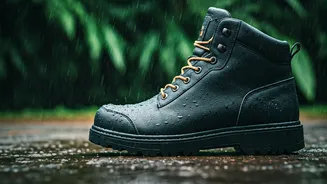
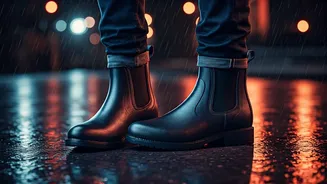
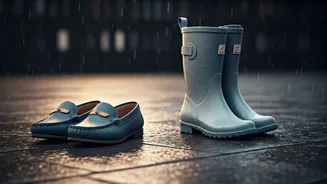
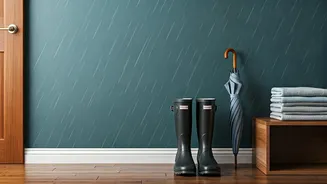
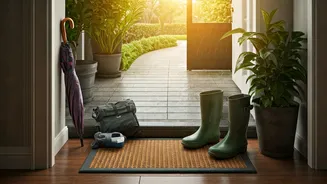
The wrong footwear can ruin your day and your shoes. Leather and suede are definite no-gos, as they get easily damaged by water. Instead, invest in waterproof and anti-slip footwear. [18] Rubber flip-flops, EVA sandals, and stylish plastic or PVC flats are excellent choices. [2, 18] These materials don't absorb water, are easy to clean, and dry in no time. Look for options with textured soles that provide a good grip on slippery, wet surfaces to prevent falls. [18, 25] For those who prefer closed shoes, waterproof sneakers or boots with breathable membranes can keep your feet dry without causing them to sweat excessively. [20, 24]
Mastering the Art of Drying and Storage
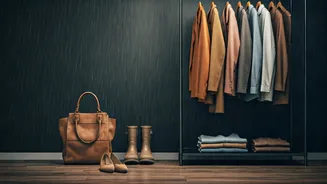
How you care for your clothes is just as important as what you wear. To combat the dreaded musty smell, ensure your clothes have enough space and airflow to dry properly. If drying indoors, use a drying rack placed near a fan or an open window. [3, 5] Shaking out garments before hanging them helps remove creases and speeds up drying. [3] To prevent mildew in your wardrobe, make sure clothes are completely dry before storing them. [5] Placing natural moisture absorbers like silica gel packs, camphor balls, or even a small pouch of chalk in your closets can help combat dampness and keep your clothes smelling fresh. [16, 17, 23] For persistent odours, adding half a cup of white vinegar or a quarter cup of baking soda to your wash cycle can work wonders to neutralize smells. [3, 16]