



The Age-Old Monsoon Travel Gamble
For decades, travelling during the Indian monsoon felt like a game of chance. You would pack your bags for a picturesque getaway to the hills or coasts, armed with a weather forecast that often felt too broad to be truly useful. State-wide warnings about
'heavy rainfall' were common, but what did that mean for your specific route? Would the highway to your destination be flooded? Was a landslide likely on the ghat road you planned to take? This lack of granular information often left travellers either cancelling plans unnecessarily or, worse, venturing into risky situations. The gap between a regional forecast and the on-ground reality was a significant challenge for tourists and locals alike, making it difficult to assess risk accurately and plan with confidence.
A New Era of Hyperlocal Forecasting
The India Meteorological Department (IMD) has fundamentally changed this dynamic by shifting towards a more localised and impact-based warning system. The focus is no longer just on state or regional advisories but on providing specific, actionable intelligence at the district level. This move is powered by a denser network of weather stations, improved satellite and radar imaging, and sophisticated modelling. The introduction of 'Nowcast' warnings, which provide alerts for severe weather events within a three-hour window for specific locations, is a cornerstone of this new approach. This means you can now get an alert for a potential thunderstorm or intense spell of rain in the very district you are in or travelling to, transforming a vague prediction into a precise, timely warning.
How to Use These Warnings for Your Trip
Accessing and using this information is simpler than ever, primarily through the IMD's official 'Mausam' mobile app. Before you travel, you can check the 7-day forecast for your destination city. More importantly, for on-the-go decisions, the app provides district-level colour-coded warnings (Red, Orange, Yellow) that signal the severity of expected weather. A 'Red' alert might mean staying put is the only safe option, while an 'Orange' alert suggests being prepared for disruptions. The 'Nowcast' feature is particularly vital, giving you a three-hour heads-up on localised events. If you're driving, the IMD also offers highway-specific forecasts on its website, allowing you to see potential weather hazards overlaid on your exact route. This helps you decide whether to delay your start, change your route, or plan for safer stops.
Beyond Rain: Assessing Total Travel Risk
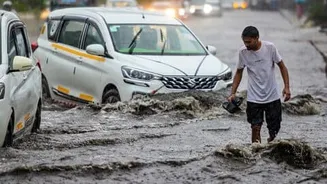
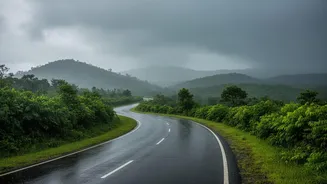
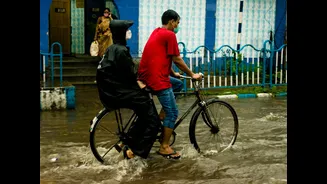
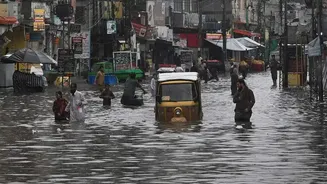
These advanced warnings go far beyond simply predicting rain. They are 'impact-based', meaning they also communicate the potential consequences, which is crucial for travel safety. An alert for 'heavy to very heavy rainfall' in a hilly district like Uttarkashi or a coastal one like Kasaragod is also an implicit warning about the heightened risk of landslides, flash floods, and waterlogging. For drivers, it’s a prompt to be wary of poor visibility and treacherous road conditions. For trekkers or those near rivers, it’s a signal to avoid low-lying areas. Recent alerts issued across multiple states highlight these specific dangers, urging residents and travellers to stay away from flood and landslide-prone zones and to follow the advice of local disaster management agencies.
Empowering Smarter, Safer Travellers
Ultimately, the IMD's evolution from a provider of broad forecasts to a disseminator of hyper-local, impact-based intelligence marks a significant leap forward for public safety. It represents a democratisation of weather data, empowering individuals with the information needed to make their own risk assessments. Instead of relying on hearsay or making a blind guess, a family planning a weekend trip can now make an evidence-based decision. This system allows for more flexible and resilient travel planning, reducing last-minute chaos and, most importantly, preventing avoidable tragedies. By putting detailed, location-specific warnings directly into the hands of the public via apps like Mausam, the IMD is fostering a culture of preparedness. It makes a strong case that with the right tools, we can navigate the monsoon season not with fear, but with informed caution.