
More Than Just Texture
For years, many home cooks have painstakingly strained passion fruit pulp to achieve a smooth, seedless consistency for juices and desserts. While perfectly acceptable for certain recipes like smooth curds or jellies, this process discards a key component
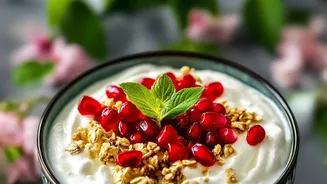
of the fruit. The seeds are completely edible and, as the headline suggests, provide a wonderful textural contrast, especially in soft dishes like yoghurt parfaits, chia puddings, and creamy mousses. The satisfying crunch they provide is similar to that of pomegranate or poppy seeds, breaking up the monotony of an otherwise one-note texture and making each spoonful more interesting.
A Surprising Nutritional Boost
Beyond the pleasant crunch, passion fruit seeds are a nutritional powerhouse you might be missing out on. They are an excellent source of dietary fibre, which is crucial for digestive health, helping to regulate blood sugar levels and promote a feeling of fullness. A single passion fruit can provide a significant amount of your daily fibre needs, with much of it contained within the seeds. The seeds are also rich in antioxidants, including a specific polyphenol called piceatannol. Studies have suggested this compound may help improve insulin sensitivity and support metabolic health. Furthermore, they contain healthy fats, magnesium, and vitamins A and C.
How to Select and Prepare Passion Fruit
To get the best experience, start with a perfectly ripe passion fruit. Look for fruit that is plump and feels heavy for its size. The skin should be slightly wrinkled and a deep purple or yellow colour, depending on the variety. Smooth-skinned fruits are generally not ready and will taste more tart. Preparation is simple: wash the exterior and carefully slice the fruit in half. Inside, you'll find the aromatic, jelly-like pulp filled with the black seeds. Use a spoon to scoop everything out directly from the rind. The white pith lining the inside of the peel is edible but often bitter, so it is best to avoid it.
Perfect Pairings and Simple Ideas
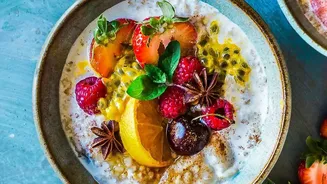
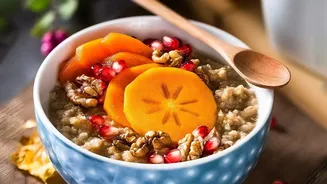
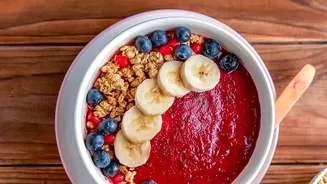
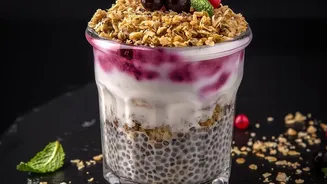
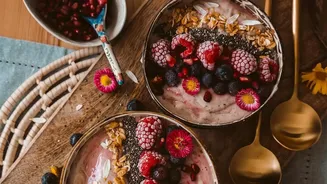
Yoghurt parfaits and puddings are natural canvases for the magic of passion fruit seeds. Simply layer the fresh pulp and seeds with your favourite Greek yoghurt, granola, and perhaps some chopped mango or pineapple for a tropical breakfast or dessert. The tartness of the passion fruit cuts through the richness of the yoghurt beautifully. The same principle applies to chia seed puddings, where the seedy crunch complements the gelatinous texture of the soaked chia. But don't stop there. Spoon the pulp and seeds over oatmeal, smoothie bowls, or even vanilla ice cream. You can also whisk them into a vinaigrette with olive oil and lime juice to create a speckled, tropical dressing for salads.
A Note on Flavour
While the pulp is known for its intensely aromatic sweet-and-tart flavour, the seeds themselves are relatively neutral or can have a slightly nutty or tart taste. Their primary contribution to the eating experience is texture. Chewing them is perfectly fine and helps release their nutritional benefits. For those who find the crunch a bit too much, a quick pulse or two in a blender can help break them down slightly without completely pulverizing them, creating a more integrated, pulpy sauce. However, for parfaits and puddings, using the seeds whole is exactly what creates that signature, pleasant crunch.