



The Decline of Single-Use Splendour
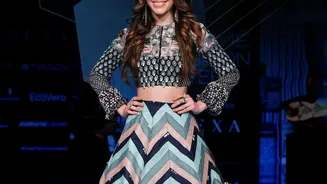
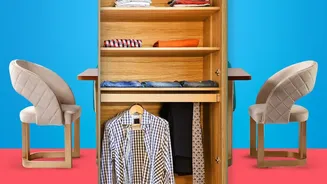
For years, Indian festive dressing was synonymous with heavily embellished, occasion-specific attire that was often too grand to wear more than once. The social pressure to have a new outfit for every event led to wardrobes overflowing with beautiful
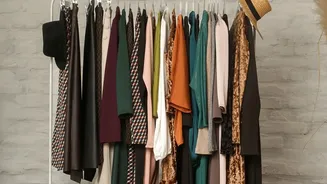
but impractical clothes. That mindset is now being replaced by a more thoughtful approach. Consumers are embracing the concept of 'cost-per-wear', realising that true value lies in a garment's ability to be styled for multiple occasions. This change reflects a deeper movement where refinement is replacing excess, and shoppers are seeking timeless pieces over fleeting trends.
Comfort Becomes the Ultimate Luxury
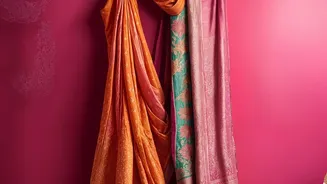
The post-pandemic world has cemented comfort as a non-negotiable priority in fashion. This is powerfully reflected in the fabrics now dominating Indian wardrobes. There is a growing preference for breathable, skin-friendly textiles like organic cotton, linen, Chanderi, and various handloom weaves. These materials are not just comfortable; they also connect the wearer to India's rich textile heritage. This shift away from heavy, synthetic fabrics towards lightweight luxury is redefining elegance. Outfits are expected to feel as good as they look, allowing for ease of movement whether at a festive gathering or a casual brunch.
Versatile Silhouettes for Modern Life
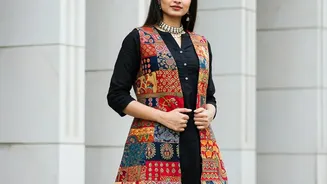
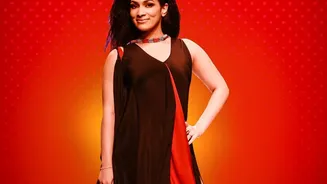
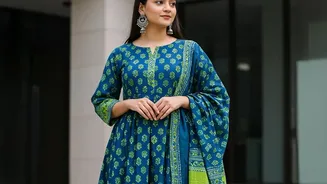
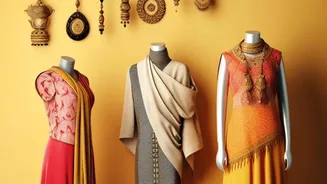
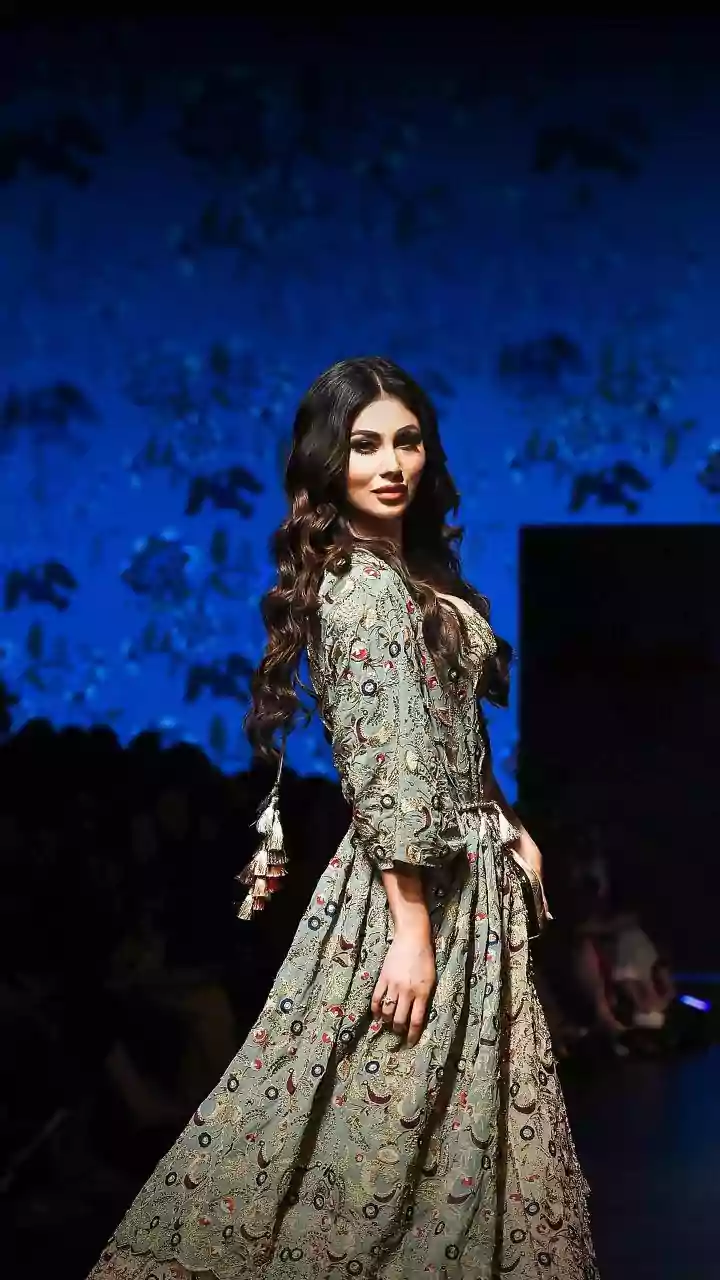
Designers and brands are responding with innovative and adaptable clothing formats. Ethnic co-ord sets, for example, have become incredibly popular because they can be worn together for a complete look or broken up and styled as separates. The classic salwar kameez has been reimagined with cleaner lines and contemporary cuts, transforming it from daily wear into a chic statement piece. Similarly, pre-draped sarees and lightweight lehengas offer the glamour of traditional wear without the fuss, catering to a modern, global lifestyle. The focus is on creating pieces that can seamlessly transition from a work meeting to an evening out, often with just a change in accessories.
The Rise of Mindful and Minimalist Fashion
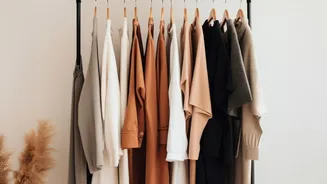
This trend towards versatility is closely linked to the growing movement of sustainable and mindful consumption in India. Consumers, particularly younger generations, are increasingly aware of the environmental impact of fast fashion and are making more conscious choices. They are investing in high-quality, handcrafted pieces that promise longevity. Minimalist ethnic fashion, which favours clean lines and subtle details over heavy decoration, is on the rise because these garments are inherently easier to wear multiple times. This 'quiet luxury' focuses on craftsmanship and fabric quality, proving that style and sustainability can go hand in hand.
A New Chapter for Indian Style
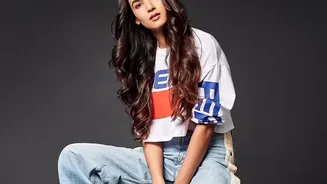
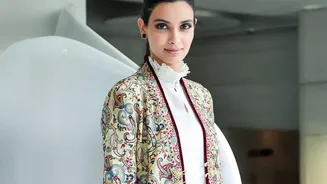
The evolution of the Indian wardrobe is about more than just clothing; it reflects a change in lifestyle and values. The modern Indian consumer is practical, confident, and globally aware, seeking fashion that aligns with their dynamic life. They appreciate heritage but demand functionality. Designers are meeting this demand by creating collections that are modular, comfortable, and timeless. This blend of tradition and modernity, where a handloom kurta is paired with jeans or a saree is styled with a belt, is creating a new, authentic language for Indian fashion. It's a move away from dressing for an audience and a move towards dressing for oneself.