



What Is 'Wet-Coat Syndrome'?
While not a formal medical diagnosis, 'wet-coat syndrome' is a descriptive term for a common monsoon menace: bacterial skin infections, or pyoderma, triggered by prolonged moisture trapped in a dog's coat. High humidity and rain prevent a dense coat from
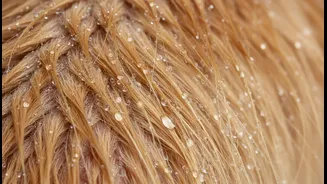
drying properly. This constant dampness softens the skin and weakens its natural protective barrier, creating an ideal breeding ground for bacteria that are normally harmless. What starts as a damp coat can quickly escalate into a painful, itchy, and unpleasant-smelling skin condition.
The Science of the Skin Problem
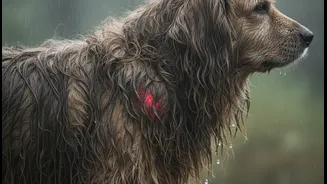
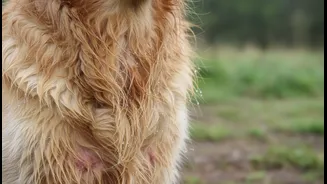
A dog's healthy skin hosts a balanced community of microorganisms. When a long-haired dog’s thick undercoat remains wet, it traps warmth and moisture against the skin. This humid environment allows certain bacteria, most commonly Staphylococcus, to multiply uncontrollably. The excess moisture macerates, or softens, the outer layer of the skin, making it easier for these bacteria to invade and cause infection. This can lead to conditions like superficial bacterial folliculitis (infection of the hair follicles) or acute moist dermatitis, commonly known as 'hot spots'—painful, oozing lesions that can appear suddenly.
Long-Haired Breeds at Higher Risk
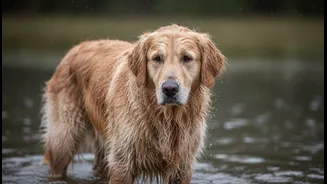
Any dog can develop moisture-related skin issues, but breeds with long, thick, or double coats are particularly vulnerable because their fur traps more water and takes much longer to dry. In India, this puts popular breeds like Golden Retrievers, German Shepherds, Saint Bernards, and even smaller dogs like Lhasa Apsos and Shih Tzus at an elevated risk during the rainy season. Their dense fur limits air circulation, keeping the skin beneath damp and warm for hours after a wet walk, which is all the time bacteria need to thrive.
Warning Signs to Watch For
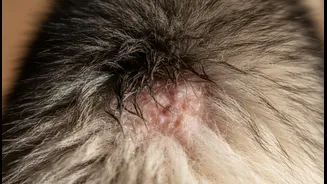
Early detection is key to preventing a minor issue from becoming a major one. Keep a close eye on your dog's skin and behaviour during wet weather. Common signs of a developing bacterial infection include: excessive scratching, licking, or chewing at a specific spot; red, inflamed patches of skin; small, pus-filled bumps that resemble pimples; crusty or scaly skin with hair loss; a foul or musty odour coming from the coat or skin. These symptoms, especially hot spots, can appear and worsen very quickly.
Prevention Is the Best Medicine
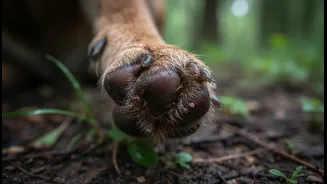
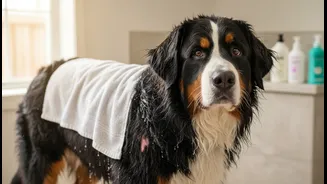
The most effective strategy is to be relentlessly focused on keeping your dog's coat dry. After every single walk in the rain, no matter how short, towel-dry your dog thoroughly. For long-haired breeds, a towel is often not enough to dry the dense undercoat. Investing in a pet-safe blow dryer used on a low-heat setting is crucial. Pay special attention to areas where moisture gathers, like between the toes, under the belly, in the armpits, and under the collar. Regular brushing helps remove loose fur and prevents matting, which can also trap moisture. Keeping your dog’s bedding clean and dry is also important to prevent bacterial growth.
When You Need to See a Vet
If you notice any of the signs of a skin infection, especially if the area is painful, spreading rapidly, or has a strong odour, it's time to visit the veterinarian. Home remedies are often insufficient and can delay proper care. A vet can accurately diagnose the type of infection and prescribe the right course of action. Treatment typically involves medicated shampoos or topical sprays to control the bacteria and soothe the inflammation. In more advanced cases, a course of antibiotics may be necessary to clear the infection completely.