




It Stabilises Your Energy Levels
The single biggest reason this combination works so well is blood sugar management. When you eat fruit alone, its natural sugars (fructose) are digested relatively quickly, which can cause a spike in blood sugar followed by a crash. This is the energy
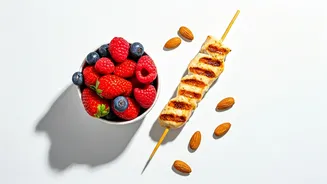
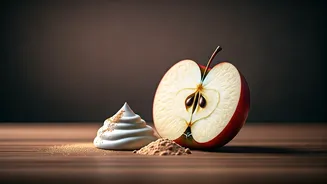
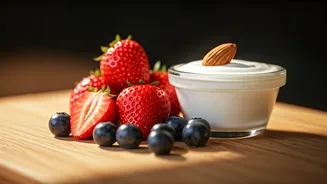
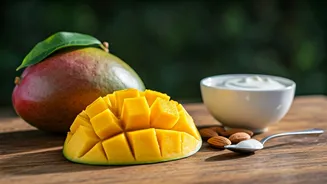
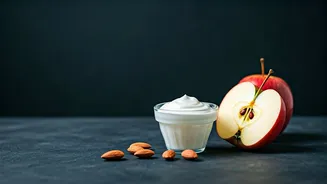
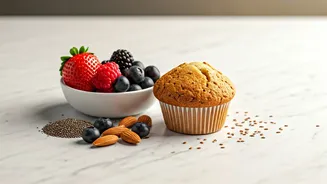
roller coaster that leaves you feeling tired and foggy soon after your snack. However, when you add protein to the mix—think a handful of almonds with an apple or some dahi with pomegranate seeds—everything changes. Protein takes longer to digest. This slows down the absorption of sugar from the fruit into your bloodstream, leading to a much more gradual and stable release of energy. You get the quick lift from the fruit without the subsequent crash, keeping you focused and productive for hours.
It Keeps You Fuller for Longer
How many times have you eaten a snack only to feel hungry again 30 minutes later? That’s often because your snack lacked staying power. Protein is the most satiating of all macronutrients, meaning it helps you feel full and satisfied. Combining the fibre from fruit with the satiating power of protein creates a snack that truly tides you over until your next proper meal. This is incredibly useful for preventing mindless grazing on less healthy options. A bowl of Greek yoghurt with chopped banana is far more likely to keep you from reaching for that packet of fried namkeen than a banana on its own. By managing hunger effectively, this simple snack strategy can also be a powerful ally in weight management.
It Provides a Double Nutrient Punch
Snacking shouldn't just be about filling a gap; it's an opportunity to nourish your body. The protein-plus-fruit combination is a nutritional powerhouse. Fruits are packed with essential vitamins, minerals, antioxidants, and dietary fibre. From the Vitamin C in an orange to the potassium in a banana, you’re getting a wealth of micronutrients. Protein, on the other hand, provides the essential amino acids your body needs to build and repair tissues, from muscles to skin and hair. So, when you pair cottage cheese (paneer) with pineapple chunks, you’re not just eating a tasty snack; you’re consuming a complete package of muscle-repairing protein and inflammation-fighting enzymes from the pineapple. It's a simple way to increase your intake of two vital nutrient groups at once.
It’s Incredibly Convenient and Versatile
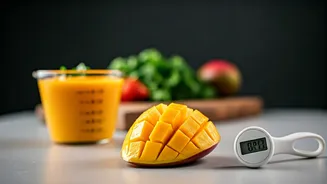
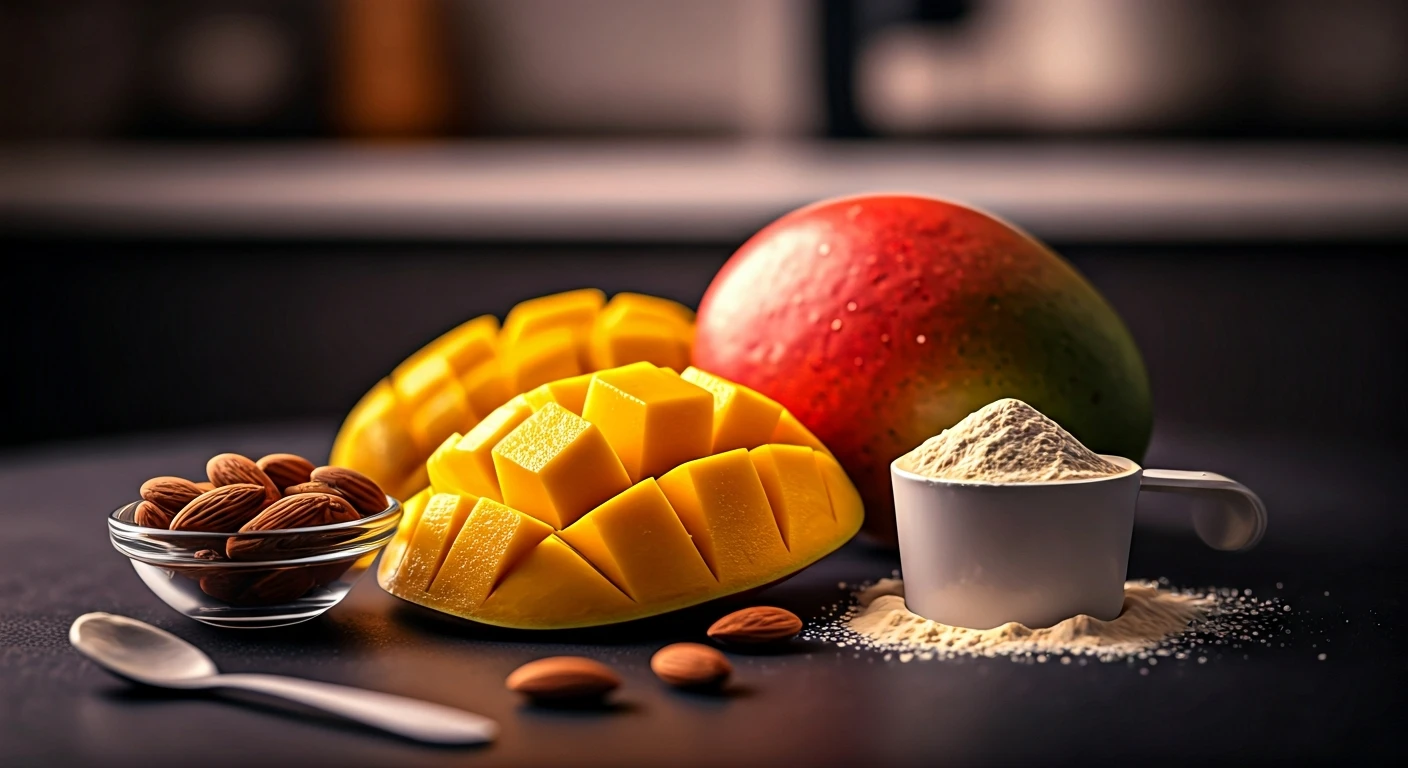
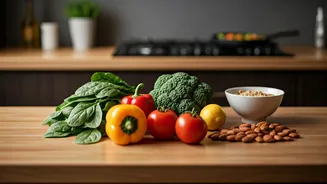
This is where the “properly practical” part really shines. This snacking formula requires zero complex recipes and often, zero cooking. The options are endless and can be adapted to whatever you have on hand. Grab an apple and a small block of cheese. Pack some roasted chana to eat with a pear. Mix a scoop of protein powder into a smoothie with berries and yoghurt. Keep a container of boiled eggs in the fridge to have with a guava. The combinations are limited only by your imagination and your pantry. This flexibility makes it a sustainable habit for busy professionals, students, and anyone on the go. It’s a grab-and-go solution that doesn’t rely on processed, packaged foods.
It Supports Muscle Health and Fitness Goals
For those who are physically active, this snack combination is particularly beneficial. Consuming protein after a workout is crucial for muscle repair and growth. The carbohydrates from the fruit help to replenish glycogen stores—the energy that your muscles used during exercise. A snack like a protein shake with a banana or a bowl of sprouts with chopped fruit is an ideal post-workout recovery food. It provides the perfect blend of macronutrients to help your body recover faster and build strength. Even if you aren't hitting the gym regularly, getting enough protein throughout the day is essential for maintaining muscle mass, which naturally declines with age. This simple snacking habit contributes to your daily protein goals, supporting long-term health and mobility.