





A Symphony of Gold and Crimson
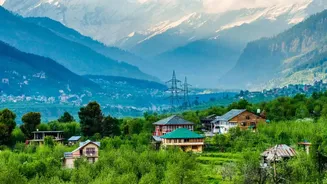
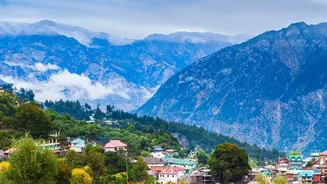
The secret to Tirthan's autumnal allure lies in its unique blend of flora. While the evergreen deodars and pines retain their stoic green, the valley's deciduous trees put on a spectacular show. From late September through November, the landscape erupts
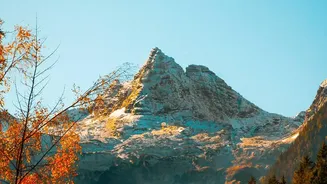
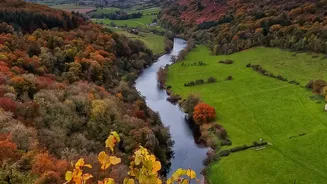
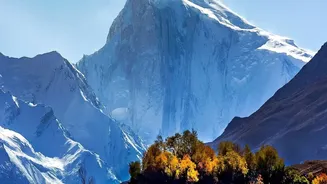
in a blaze of colour. Leaves of species like maple, oak, and wild apricots transition from green to brilliant shades of yellow, fiery orange, and deep crimson. This creates a breathtaking contrast against the backdrop of the dense coniferous forests and the crystal-clear blue of the sky, offering a rich, multi-layered palette that is a feast for any photographer's lens. The entire valley feels like nature’s grand finale before the deep slumber of winter.
The Photographer's Canvas
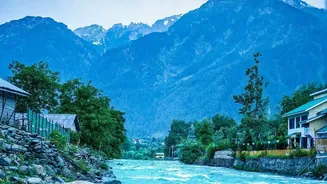
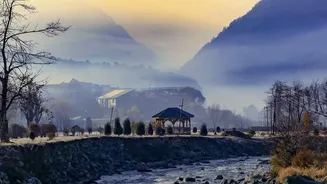
For photographers, autumn in Tirthan is not just about the colours; it's about the light and atmosphere. The post-monsoon air is crisp and clear, leading to exceptional visibility and brilliantly saturated images. The sun, sitting lower in the sky, casts long, soft shadows and bathes the valley in a golden glow, especially during the coveted morning and evening hours. Mist often hangs in the valleys in the early mornings, wrapping the landscape in a soft, ethereal blanket that adds depth and mood to photographs. The Tirthan River, flowing calmly after the monsoon's fury, mirrors the golden hues of the surrounding trees, providing stunning opportunities for reflection shots.
Essential Frames and Locations
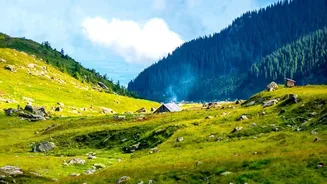
While the entire valley is picturesque, certain spots are unmissable for capturing the essence of autumn. Jalori Pass, at an altitude of over 10,000 feet, offers panoramic views of the Himalayas and the vibrant forests below. The trek from Jalori Pass to Serolsar Lake is particularly rewarding, as the path winds through dense oak forests, with the lake itself providing a tranquil, reflective surface framed by autumn leaves. The villages of Gushaini, Nagini, and Shoja, with their traditional wood and stone houses, become even more photogenic when set against the fall colours. A walk along the Tirthan River or into the Great Himalayan National Park—a UNESCO World Heritage Site—will reveal countless compositions, from a single, perfect leaf to grand, sweeping vistas.
Beyond the Foliage
While the autumn leaves are the main draw, Tirthan Valley offers a wealth of other photographic subjects. The traditional Himachali architecture, particularly the multi-storied Chehni Kothi tower, provides a powerful historical element to your shots. Capturing the daily life of the locals, the gushing waterfalls hidden in forest nooks, and the vibrant culture adds a narrative layer to a photographic series of the valley. The clear autumn nights are also perfect for astrophotography, with the Milky Way often visible to the naked eye, away from the light pollution of cities. These elements combine to create a comprehensive photographic story, not just a collection of pretty landscapes.
Planning Your Autumn Expedition
The best time to witness this spectacle is from October to early November. The weather is generally pleasant and cool, but nights can be cold, so packing in layers is essential. For camera gear, a versatile zoom lens is perfect for capturing both wide landscapes and detailed shots. A polarising filter will be your best friend, helping to cut glare from the river and deepen the blue of the sky, making the autumn colours pop even more. Accommodation ranges from comfortable homestays offering a taste of local hospitality to riverside resorts. As this is a popular time for photographers, booking in advance is recommended. The valley is accessible by road from Delhi and Chandigarh, with the drive itself offering a scenic introduction to the beauty that awaits.