





The Urban Oven Effect
Cities are almost always hotter than the surrounding rural areas. This phenomenon, known as the Urban Heat Island (UHI) effect, is a major challenge for rapidly growing metropolises in India. A primary culprit is the vast expanse of dark surfaces, especially
asphalt roads, which can cover up to 40% of a city's area. Traditional black asphalt is a heat sponge, absorbing as much as 95% of the sunlight that hits it. This stored heat is then released back into the air, particularly after sunset, keeping temperatures uncomfortably high through the night and driving up the demand for air conditioning.
The Science of Staying Cool
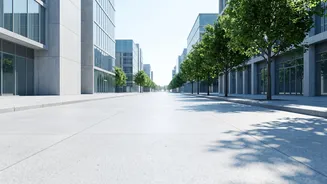
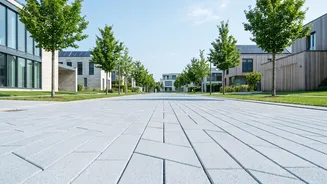
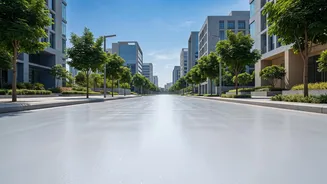
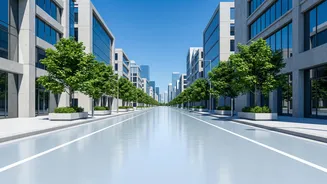
The solution lies in a simple principle: reflection over absorption. Think of wearing a white shirt versus a black one on a sunny day. The white shirt reflects sunlight and keeps you cooler, while the black shirt absorbs it and makes you feel hotter. Cool pavements apply the same logic to our streets. The scientific measure for this reflectivity is called 'albedo'. By applying a specially formulated coating, the albedo of a road can be dramatically increased. Instead of absorbing the sun’s radiation, the lighter-coloured surface reflects it back into the atmosphere, leading to a cooler pavement and, consequently, cooler air.
An Engineered Solution
The term 'bio-engineered' points toward a new frontier in material science for these coatings. While many current solutions are advanced, water-based acrylic or polymer formulas mixed with reflective pigments like titanium dioxide, the industry is pushing towards greater sustainability. The engineering lies in creating a durable, reflective layer that can withstand heavy traffic and weather. The next evolution involves incorporating more bio-based materials, such as moving away from petroleum-based binders towards plant-derived resins. This shift aims to reduce the environmental footprint of the coatings themselves, making the solution even greener.
Putting Coatings to the Test
This isn't just a theoretical concept; cities are already seeing tangible results. Pilot projects in hot, car-centric cities like Los Angeles and Phoenix in the US have provided compelling data. In Los Angeles, a study found that cool pavement coatings reduced surface temperatures by up to 10 degrees Fahrenheit (about 5.6°C). During an extreme heat event, the coated area saw ambient air temperatures that were cooler by as much as 3.5°F (about 1.9°C). Similarly, studies in Phoenix showed average surface temperatures were 10.5 to 12 degrees Fahrenheit cooler compared to traditional asphalt during the afternoon. These reductions demonstrate a significant impact on local microclimates.
More Than Just a Cool Surface
The advantages of cool pavements extend beyond simply lowering the thermometer reading. Cooler ambient temperatures reduce the strain on buildings' air conditioning systems, leading to significant energy savings and a lighter load on the power grid. By lowering urban air temperatures, these coatings can also slow the chemical reactions that produce smog, leading to better air quality. Furthermore, the lighter surface reflects more light from streetlights and headlights at night, which can improve visibility and safety for drivers and pedestrians, potentially reducing the need for intensive street lighting.
Challenges on the Road Ahead
Despite their promise, cool pavements are not a magic bullet. The initial cost of application can be higher than traditional sealcoats, and the surfaces require maintenance. Dirt and tyre marks can reduce reflectivity over time, meaning they may need regular cleaning to remain effective. Some studies have also pointed to a potential for increased glare, and in certain conditions, the reflected radiation can make pedestrians feel warmer even if the air temperature is lower. These challenges mean that implementation needs to be strategic, considering it as one part of a broader heat mitigation plan that includes increasing tree canopy and green spaces.