

What Exactly Are These Shooting Stars?
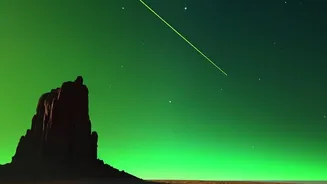
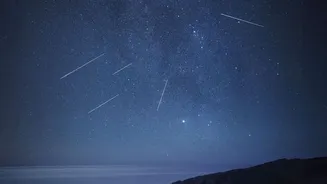
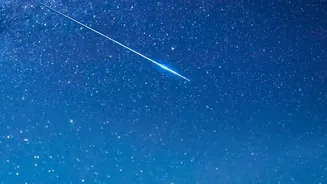
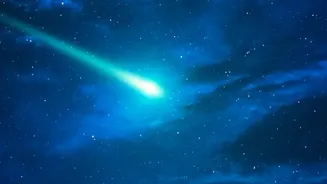
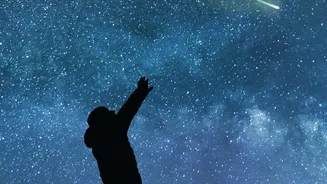
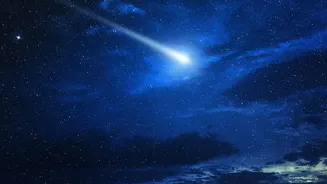
The Perseid meteor shower, one of the best and brightest of the year, occurs annually in mid-August. These meteors, often called shooting stars, are not stars at all. They are tiny fragments of debris—bits of ice and rock—left behind by the comet Swift-Tuttle.
This comet has a vast, 133-year orbit around the sun, and every August, Earth’s own orbit takes it through this dusty trail. As these particles, some as small as a grain of sand, hit our atmosphere at incredible speeds of around 59 km/s, they burn up, creating the brilliant streaks of light we see from the ground. This year, the show is expected to be particularly impressive, with the potential to see 50 to 100 meteors per hour under ideal conditions.
The Quest for True Darkness
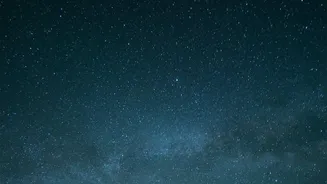
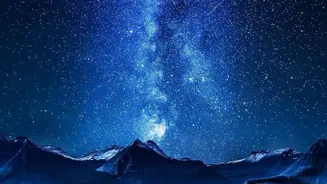
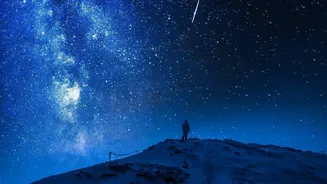
The key to a successful meteor shower viewing is finding a truly dark sky. In and around cities and towns, artificial light from buildings, streetlights, and advertising creates what is known as light pollution. This ambient glow washes out the night sky, making it impossible to see all but the very brightest meteors. The majority of meteors in any shower are faint, and they simply become invisible against a light-polluted backdrop. To experience the full spectacle, stargazers must escape these urban light domes. This year's peak on the night of August 12-13 is especially promising because it coincides with a new moon, meaning there will be no moonlight to interfere, creating perfect, pitch-black conditions for those who find a dark spot.
Why Hill Stations Offer the Perfect Perch
This is where hill stations and other high-altitude locations become essential. Their remote nature means they are often far from the light pollution of major population centres. Furthermore, their elevation provides a distinct advantage. Being at a higher altitude means there is less of Earth's dense atmosphere to look through. This thinner, cleaner air is less affected by haze, dust, and moisture, which can obscure the sky at lower elevations. For viewers in India, the timing of the Perseids during the monsoon season makes high-altitude desert locations like Ladakh and Spiti Valley particularly ideal, as they lie in a rain shadow and are less likely to be affected by cloud cover.
India's Prime Stargazing Destinations
Across India, several hill stations and remote areas are renowned for their dark skies. Ladakh and Spiti Valley are considered premier destinations, with their high-altitude deserts offering exceptionally clear and dark conditions, especially during the August monsoon. Places like Hanle in Ladakh, which hosts a Dark Sky Reserve, provide some of the best opportunities. Other notable spots include high-altitude areas in Uttarakhand, parts of the Kutch desert in Gujarat, and hill stations in the Western Ghats like Coorg and Kodaikanal, which offer darker skies than the surrounding plains. Even locations near major cities, like Lonavala and Matheran near Mumbai, can provide a much better viewing experience than staying within city limits.
How to Get the Best View
You don't need any special equipment like a telescope or binoculars to enjoy the show; in fact, the naked eye is best because it allows you to see a wide swath of the sky. The most important step is to get comfortable. Find a spot with an open view, lay back on a blanket or reclining chair, and be patient. Your eyes will need about 20 to 30 minutes to fully adjust to the darkness, so avoid looking at your phone screen, as its bright light can ruin your night vision. For viewers in India, the best time to watch will be in the early morning hours of August 13, from around 2 a.m. until dawn, when the shower's radiant point in the constellation Perseus is high in the sky.